Verano Azul in Nerja: Filming Locations and Walking Route
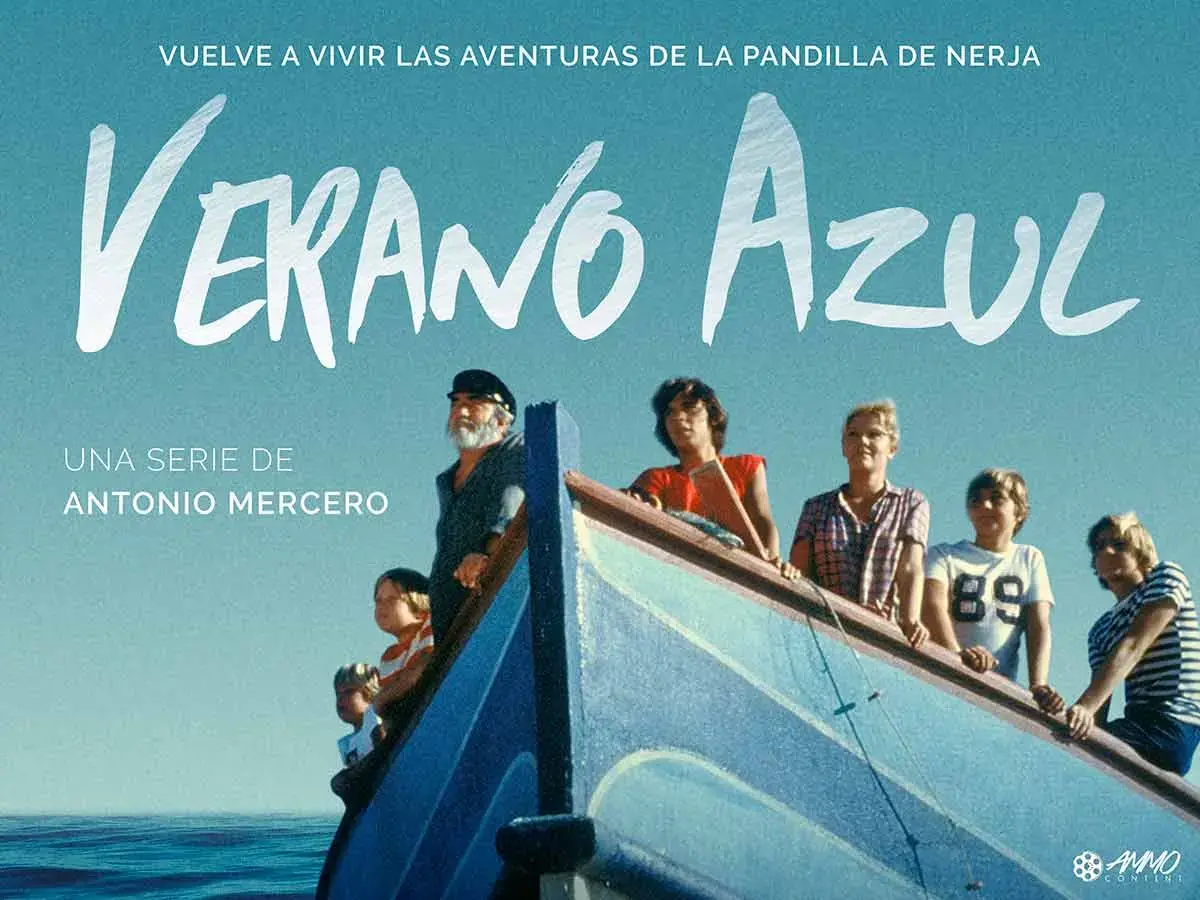
Verano Azul was filmed in Nerja in 1979–1980. Walk its locations: the replica of Chanquete’s boat, the statue, the Balcón de Europa, Julia’s house and Burriana beach. Plus the cast, the 19 episodes and where to watch the series.
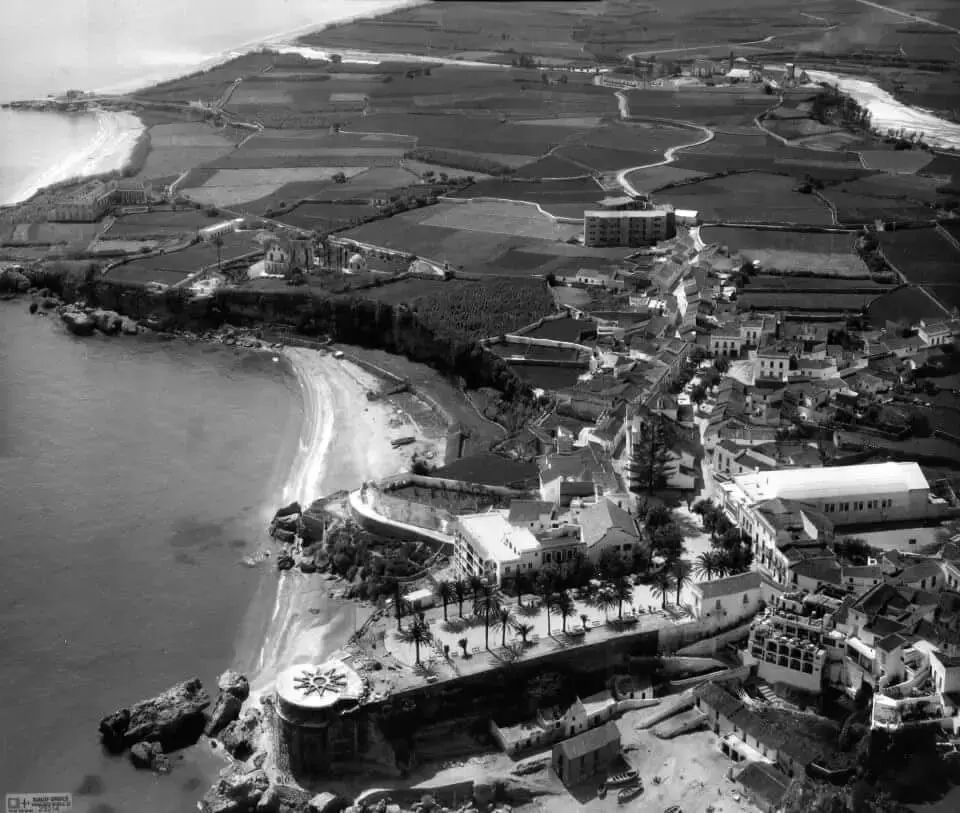
Verano Azul was filmed mainly in Nerja (Málaga), with some scenes in Vélez-Málaga, Motril and Almuñécar, although the series never names the town. Today you can walk its locations in a morning: the replica of Chanquete's boat in Parque Verano Azul, the Chanquete statue by the Balcón de Europa, Julia's house and Burriana beach. Here is the route, what was filmed at each spot, the cast, the 19 episodes and where to watch the series.
Verano Azul at a glance
- What it is: a Spanish public television (TVE) series created and directed by Antonio Mercero, with music by Carmelo Bernaola.
- Filming: about 16 months, from late August 1979 to December 1980.
- Broadcast: on TVE's first channel, on Sunday afternoons, from 11 October 1981 to 14 February 1982.
- Episodes: 19, each almost an hour long. Part of a twentieth, «La excursión», was shot but never finished.
- Awards: TP de Oro 1981 for best Spanish series and best actor (Antonio Ferrandis).
- Where to watch it: on RTVE Play, RTVE's free streaming service (in Spanish). La 2 often reruns it in summer; the remastered version premiered in 2014.
Verano Azul walking route in Nerja
About 3 km from Parque Verano Azul to Burriana beach: around an hour on foot without stops, and a morning if you stop at each place. If you come by car, leave it at the car park next to Parque Verano Azul and walk: much of the centre of Nerja is pedestrianised.
- Parque Verano Azul and La Dorada (calle Antonio Ferrandis «Chanquete»).
- Plaza de los Cangrejos, where the ruined factory seen in «Pancho Panza» stood.
- Chanquete statue and Balcón de Europa, the gang's meeting point.
- Plaza Cavana: the series' «town hall» and the dairy run by Pancho's aunt and uncle.
- The Parador and Julia's house, by the path down to Burriana.
- Burriana beach: the Antonio Mercero promenade, Ayo's beach bar and the hill where the original Dorada stood.
1. Parque Verano Azul: the replica of Chanquete's boat
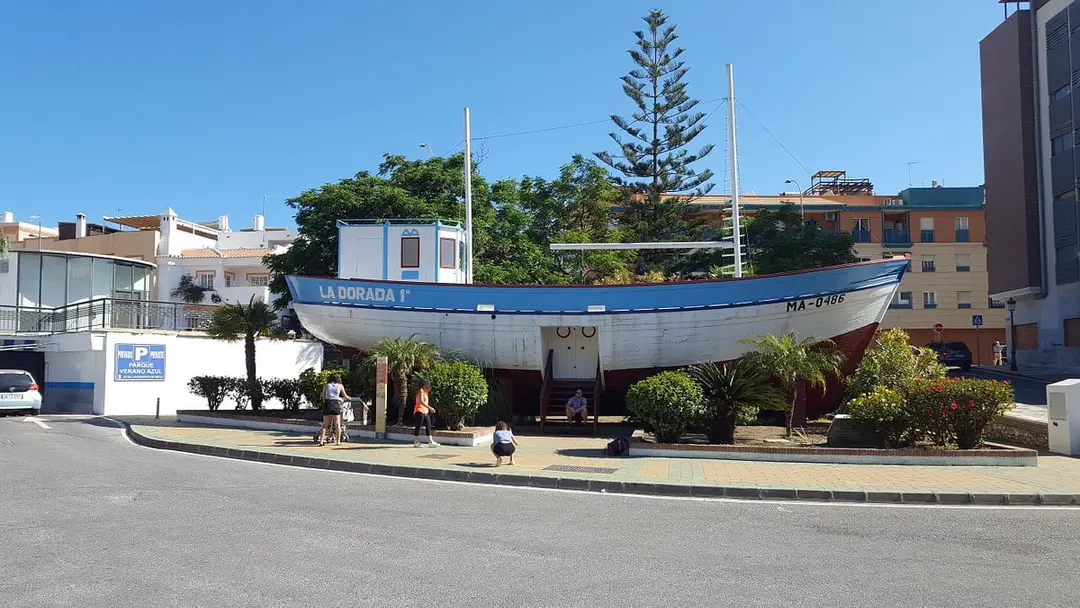
Chanquete's boat, the «Dorada 1.ª», is the series' most famous image. The one you can visit today is a replica in Parque Verano Azul, on the street named after Antonio Ferrandis «Chanquete» since 2001. The park also has monoliths with the episode titles, paths named after the characters and life-size figures of the gang. It is free and open at any time.
2. Plaza de los Cangrejos
At the start of «Pancho Panza», Pancho, Piraña and Tito try to catch lizards among some ruins: those of the old San Clemente sugar factory, known as «los Cangrejos». The factory is gone and the Plaza de los Cangrejos now stands in its place, near Torrecilla beach.
3. Balcón de Europa and the Chanquete statue
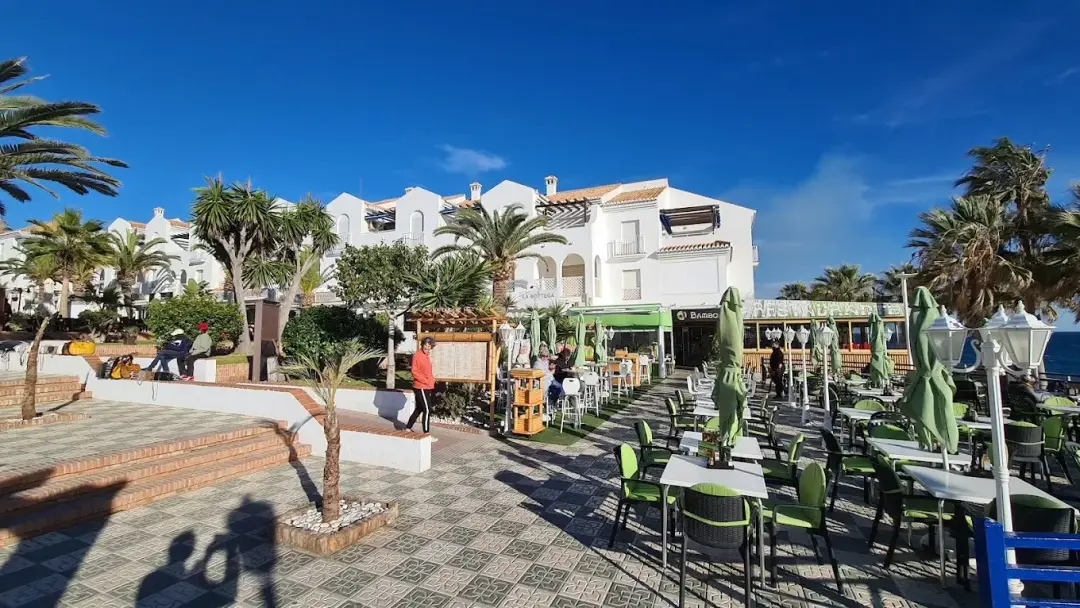
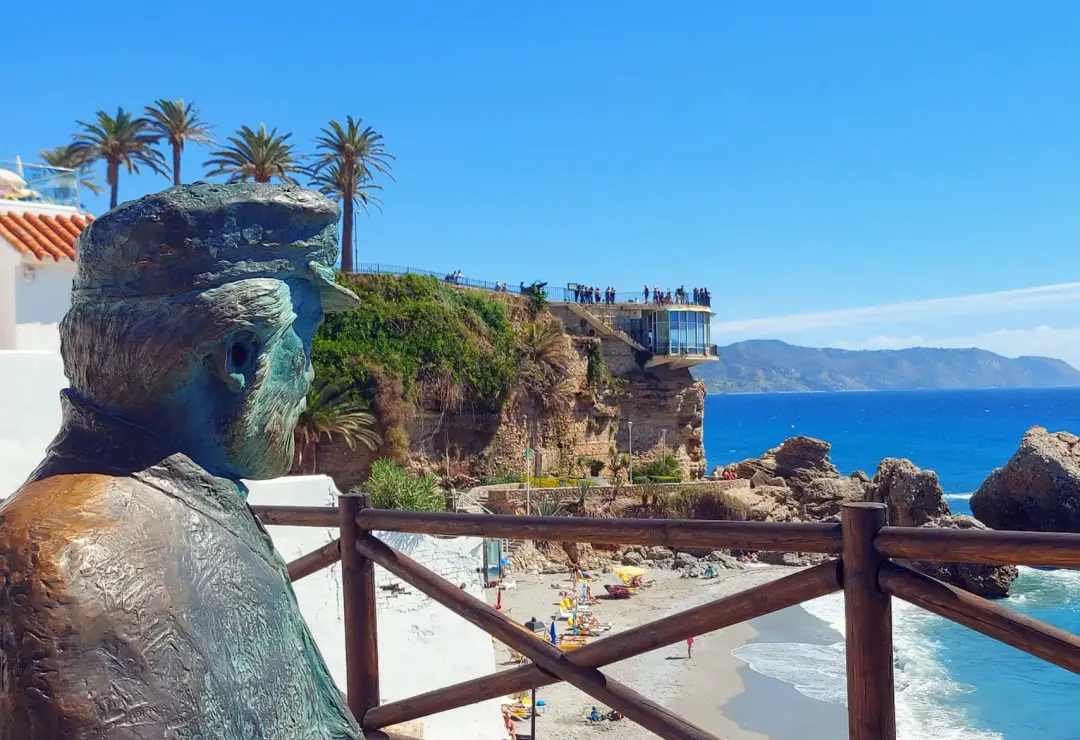
The Balcón de Europa is where the gang meets, and it appears in many episodes, with its cannons and railing over the sea. A few steps away is the Chanquete statue: a bronze by sculptor Francisco Martín, unveiled by the town hall on 24 May 2019. Chanquete looks out to sea from a viewpoint above Calahonda and El Salón beaches.
4. Plaza Cavana: the series' town hall and Pancho's house
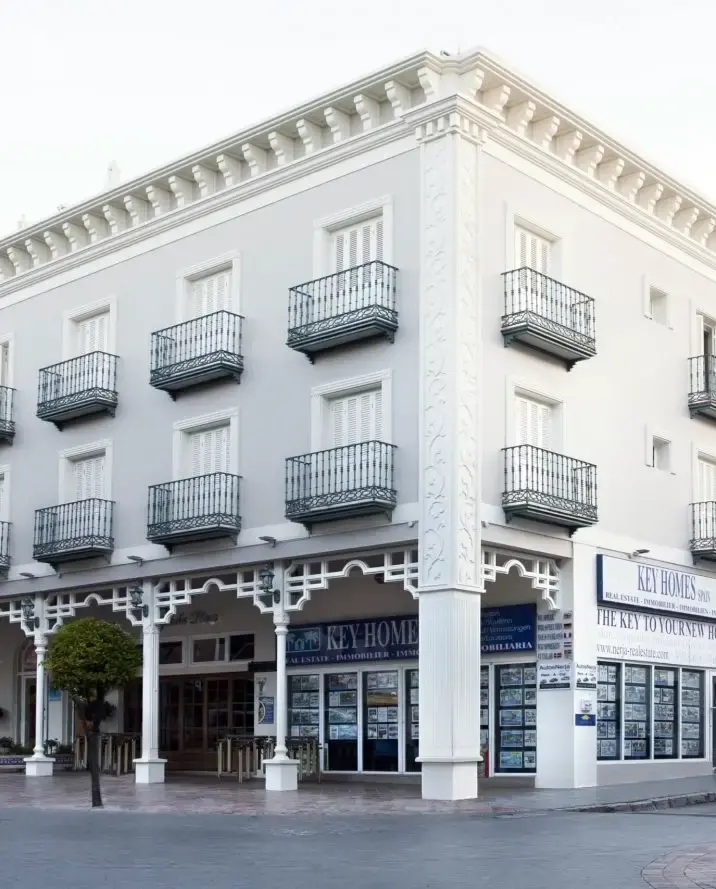
The town hall where the gang goes to complain to Mayor Epifanio is not the current one: it was the old Farmers' Union building next to Plaza Cavana, now the site of the Hotel Plaza Cavana. Nearby, on calle del Barrio, was the dairy run by Pancho's aunt and uncle, from which he set off on his bicycle deliveries.
5. The Parador and Julia's house
The house of Julia the painter, with its low fence and rose bushes, is behind the Parador de Nerja, by the lane down to Burriana beach. It is a private home and now has a higher wall, so you can only see it from the street. The apartments where Bea and Tito spent the summer are in the same area, towards Carabeo.
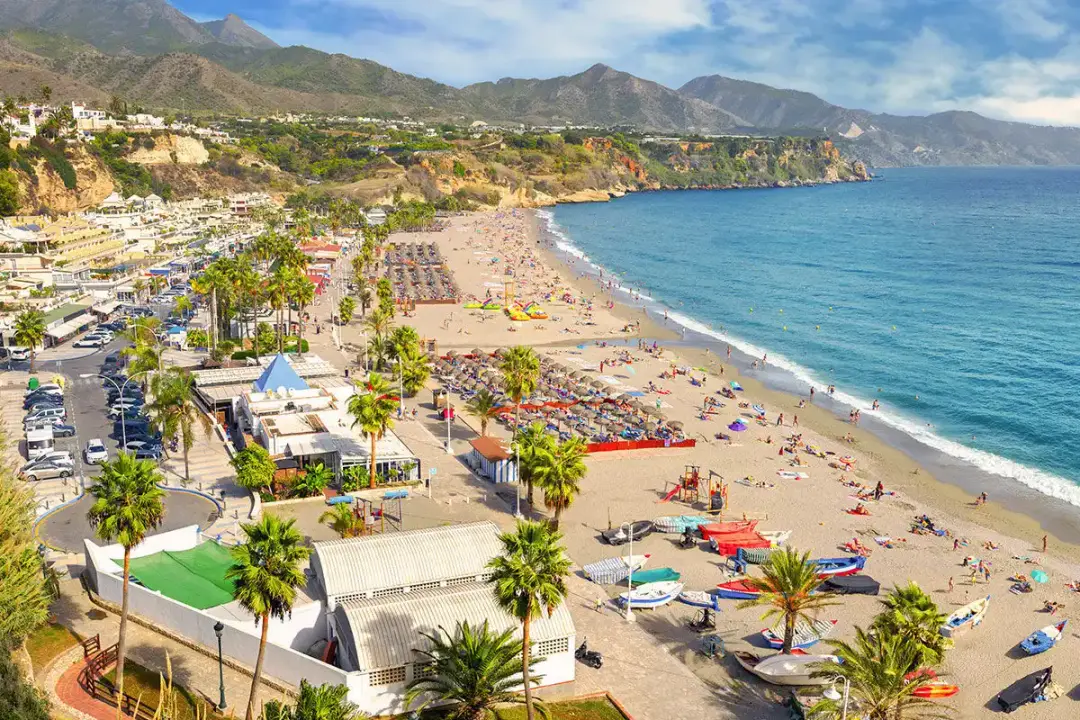
6. Burriana beach, Ayo's beach bar and the original Dorada
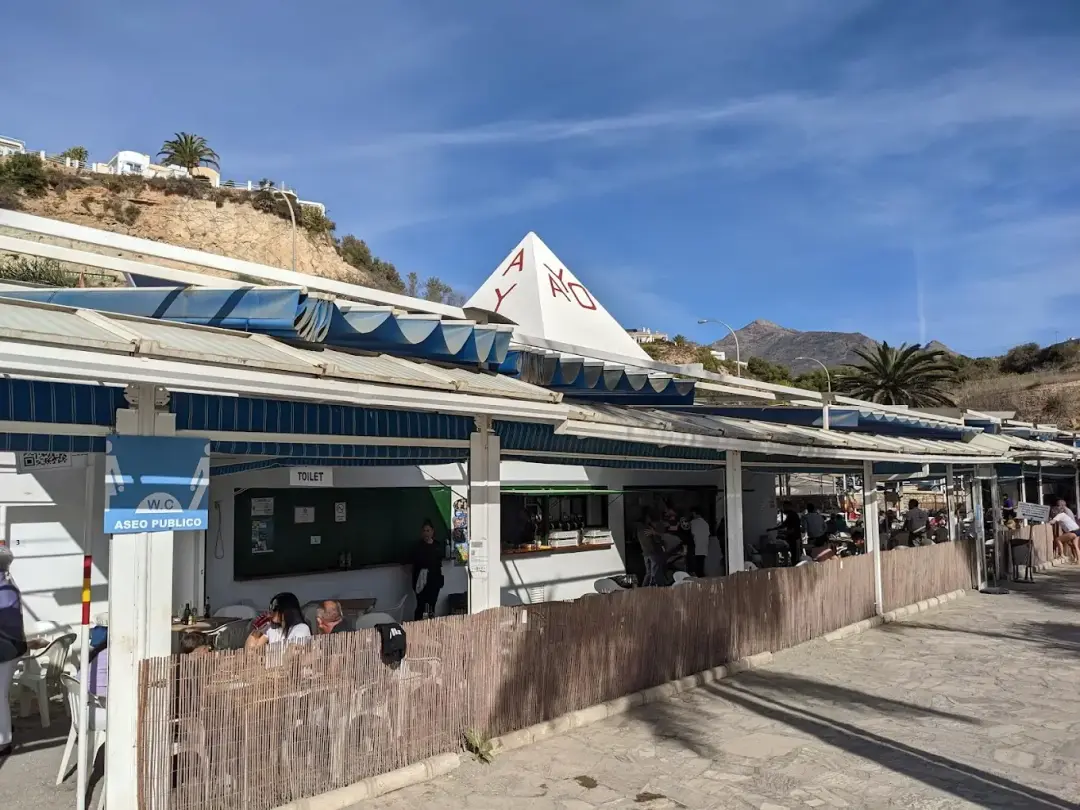
On Burriana beach, the promenade is named after Antonio Mercero. Here you'll find Ayo's beach bar, open since 1970 and famous for its wood-fired paella, which also appears in the series.
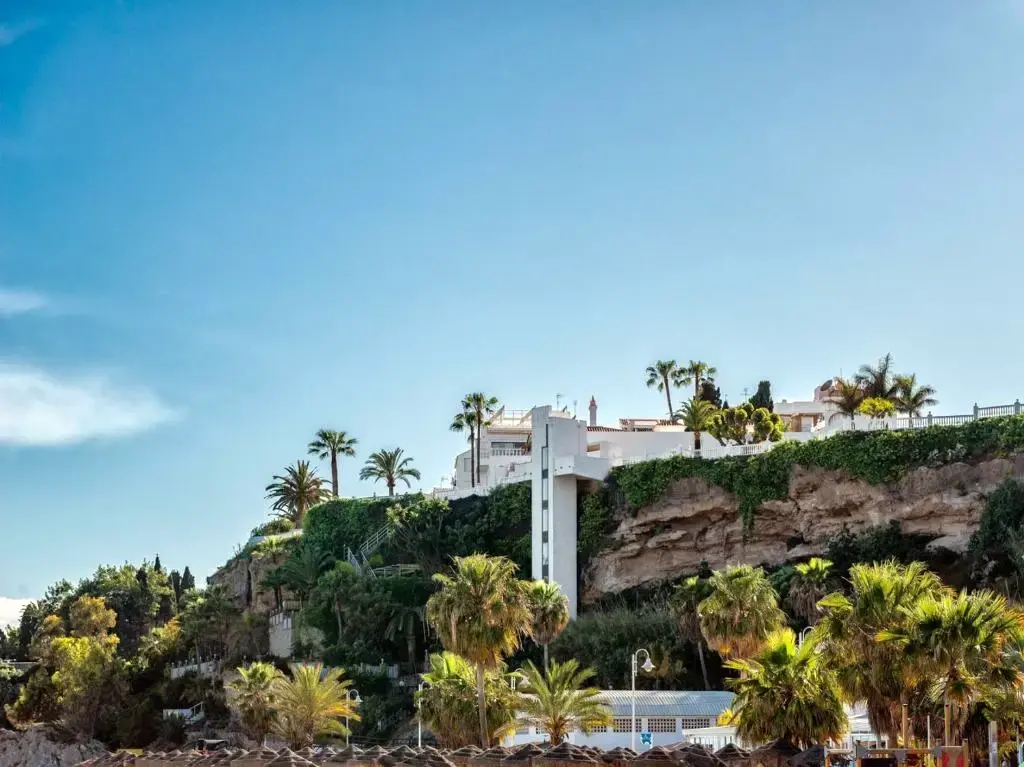
The Dorada in the series stood on land, on a hill with vegetable plots above the eastern end of Burriana. It was not a real boat but a set built for filming, dismantled at the end, as seen in the last episode. Nothing remains of the original; the replica in the park is the one to visit.
Other Verano Azul locations near Nerja
- Capistrano and Fuente del Badén estates (1.5 km from the centre): the summer homes of Javi, Desi and Quique. They are private houses.
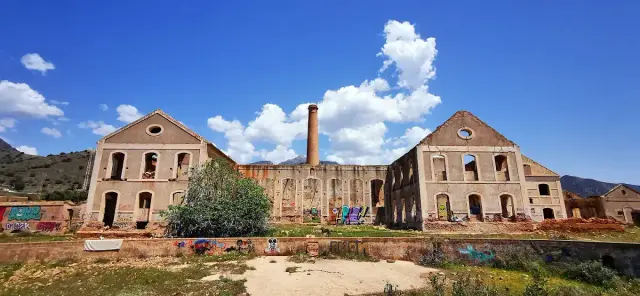
- Maro: the ruins of the old sugar mill, by the road down to Maro beach, appear in several episodes, including «El encuentro». More in our guide to Maro.
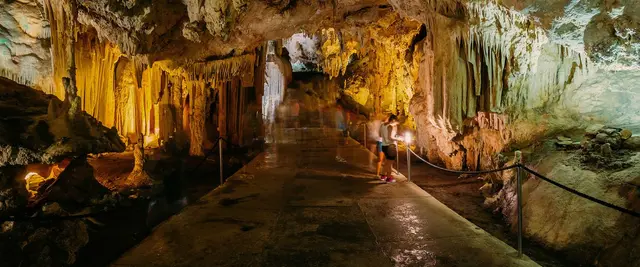
- The Green Cat cave («La cueva del Gato Verde»): the exteriors were filmed in a cave at Río de la Miel, on the border with Almuñécar; the interiors, in the Nerja Caves.
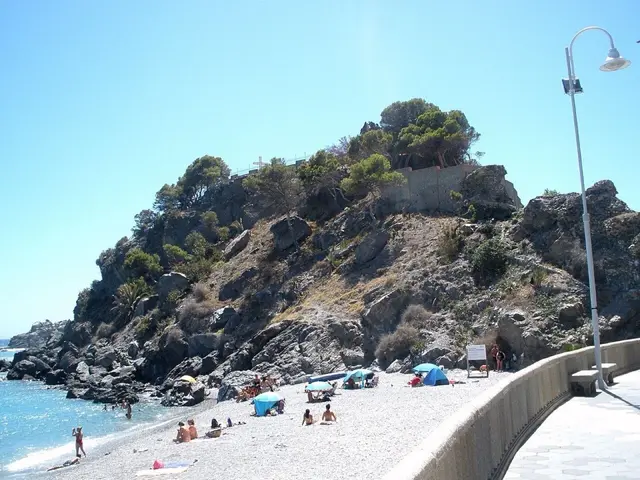
- The cemetery where Chanquete is buried: not a real cemetery but the Peñón del Santo (Cruz del Santo viewpoint) in Almuñécar.
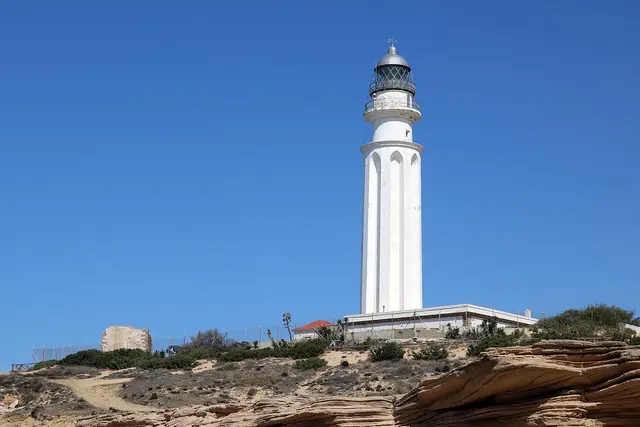
- The lighthouse in «La burbuja»: Nerja has no lighthouse; it was filmed at Cape Trafalgar (Cádiz) and the interior in a Madrid studio.
Verano Azul cast: what became of the actors
The series turned the whole cast into the best-known faces in Spain overnight. This is what each of them did next.
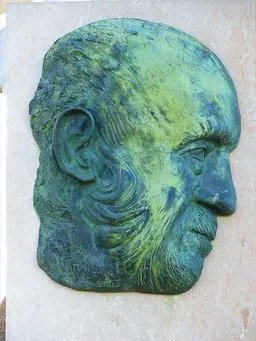
Chanquete · Antonio Ferrandis (Paterna, 1921 – Valencia, 2000)
Already an established stage and film actor. The following year he starred in Volver a empezar (1982), the first Spanish film to win the Oscar for Best Foreign Language Film. He died in Valencia on 16 October 2000; Nerja has a street named after him since 2001 and, since 2019, the Chanquete statue by the Balcón de Europa.
Monument to Antonio Ferrandis by Rafael Orellano, Valencia. Photo: Enric, CC BY-SA 4.0, via Wikimedia Commons.
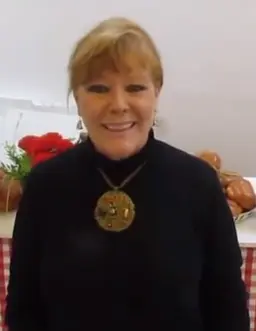
Julia · María Garralón (Madrid, 1953)
She stayed in television with very popular roles, such as María de la Encarnación in Farmacia de guardia, also by Antonio Mercero, and Rocío in Compañeros.
Photo: Ángel Galán Comunicación, CC BY-SA 3.0, via Wikimedia Commons.
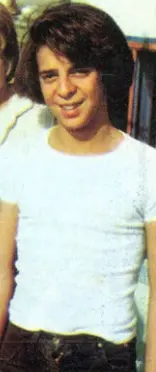
Pancho · José Luis Fernández «Pirri» (1963)
After the series he formed the short-lived duo Pancho y Javi with Juanjo Artero. He then moved away from acting, worked in dubbing and now keeps a low profile.
Photo: public domain, via Wikimedia Commons.
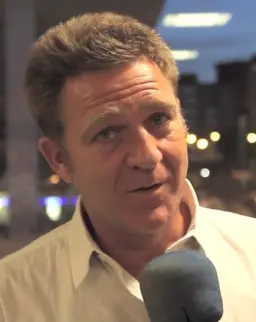
Javi · Juanjo Artero (Madrid, 1965)
Antonio Mercero spotted him at a swimming pool in the summer of 1979. He is the only one of the gang who went on to a successful acting career: Charlie Márquez in El comisario and Captain Ricardo Montero in El barco, among many other roles.
Photo: Ayto. de Fuenlabrada, CC BY 3.0, via Wikimedia Commons.
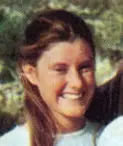
Bea · Pilar Torres (Madrid, 1962)
She gave up acting after the series and withdrew completely from public life. She has rarely attended the tributes; one exception was Nerja’s 20th-anniversary event in 2001.
Photo: public domain, via Wikimedia Commons.
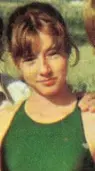
Desi · Cristina Torres (Madrid, 1963)
Pilar’s sister. She made a few more films, such as A tope (1984), and then left the screen to work, together with her sister, as a nursing assistant at the Gómez Ulla Hospital in Madrid.
Photo: public domain, via Wikimedia Commons.
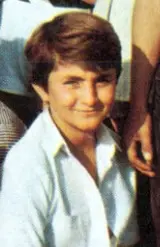
Quique · Gerardo Garrido (Madrid, 1966)
After the series he had a stage hit with Las bicicletas son para el verano (1982-1984). He later left acting for advertising photography and teaching photography.
Photo: public domain, via Wikimedia Commons.
Piraña · Miguel Ángel Valero (Madrid, 1970)
With Miguel Joven he formed the children’s duo Los Pirañas, whose song «Comer, comer» (1982) was a hit. He went on to study: he holds a PhD in telecommunications engineering, is a university lecturer and was director of Ceapat (Imserso).
Tito · Miguel Joven (Lübeck, 1973)
He has lived in Nerja since he was three. He was the last to join: Francisco Olaya, «Ayo», of the Burriana beach bar, suggested they audition the son of his waiter. After Los Pirañas he left show business and worked in Nerja’s hospitality trade; he often appears at tributes to the series.
Among the adults are the children’s parents (Manuel Tejada and Elisa Montés as Bea and Tito’s; Manuel Gallardo and Helga Liné as Javi’s; Concha Cuetos and Carlos Larrañaga as Desi’s), Frasco, owner of the bar where Chanquete plays dominoes (Fernando Sánchez Polack), and Mayor Epifanio (Roberto Camardiel). The director, Antonio Mercero (1936-2018), later made Farmacia de guardia and also directed La cabina.
The 19 episodes of Verano Azul
- El encuentro
- No matéis mi planeta, por favor
- A lo mejor
- Beatriz, mon amour
- La sonrisa del arco iris
- El visitante
- Pancho Panza
- La bofetada
- Eva
- La navaja
- Las botellas
- La última función
- La cueva del Gato Verde
- El ídolo
- El guateque de papá
- No nos moverán
- La burbuja
- Algo se muere en el alma
- El final del verano
This is the original TVE broadcast order. In «No nos moverán» the gang defends the Dorada from a developer's bulldozers; in «Algo se muere en el alma», broadcast on 7 February 1982, Chanquete dies, news that made the front pages of Spanish newspapers.
Tips for your visit
- Best time: early in the morning, before the coach tours reach Parque Verano Azul and the Balcón.
- Getting there: the park is next to the tourist coach park and about 15 minutes' walk from the bus station. More options in how to get to Nerja.
- Combine it with: a paella at Burriana at the end of the route or, in the afternoon, the Nerja Caves (4 km away), where the interiors of «La cueva del Gato Verde» were filmed.
- All the stops are on the Nerja map.
Frequently asked questions
Where was Verano Azul filmed?
Mainly in Nerja (Málaga), between 1979 and 1980. There are also scenes from Vélez-Málaga, Motril, Almuñécar and Cape Trafalgar, and some interiors were shot in Madrid studios.
Where is Chanquete's boat?
The replica of the Dorada is in Parque Verano Azul in Nerja, on calle Antonio Ferrandis «Chanquete». It is free to see at any time.
Does the original boat still exist?
No. The Dorada in the series was a set placed on a hill above Burriana beach and was dismantled when filming ended.
In which episode does Chanquete die?
In episode 18, «Algo se muere en el alma», broadcast on 7 February 1982. The last episode is «El final del verano».
Where is the Chanquete statue?
At a viewpoint next to the Balcón de Europa, looking out to sea over Calahonda and El Salón beaches. It was unveiled in May 2019.
Where can I watch Verano Azul?
All 19 episodes are free on RTVE Play (in Spanish). La 2 often reruns it in summer.
Who played Piraña in Verano Azul?
Miguel Ángel Valero, who was 9 during filming. Today he holds a PhD in telecommunications engineering and is a university lecturer.
What became of the Verano Azul actors?
Juanjo Artero (Javi) and María Garralón (Julia) kept acting; Antonio Ferrandis (Chanquete) died in 2000; Pilar and Cristina Torres (Bea and Desi) left acting; Gerardo Garrido (Quique) turned to photography; and Miguel Joven (Tito) lives in Nerja. See above for what each of them did.
¿Te ha resultado útil este artículo?
Valora este artículo para ayudar a otros visitantes.