Maro
Discover Maro, a sleepy whitewashed village perched above dramatic sea cliffs just minutes from Nerja — charming streets, coastal walks and the gateway to some of the best beaches on the coast.
Maro is a village of about 760 people belonging to Nerja, just 3–4 km east of the centre, above the sea. It is the easternmost coastal village in Málaga province: beyond it lies Granada. The Nerja Caves are here (five young men from Maro discovered them in 1959), and from here you go down to the coves of the Maro-Cerro Gordo Cliffs Natural Area.
It was the Roman Detunda, a trading post on the road between Sexi (Almuñécar) and Malaca (Málaga), and its name comes from the Latin Marum, a white-flowered plant. Today it is a small, quiet village of white houses, with a viewpoint square in front of the church and tropical fruit orchards all around.
What to see in Maro
How to get from Nerja to Maro
By car it is 5–10 minutes on the N-340 or the A-7 motorway (Nerja Caves and Maro exit). By bus, ALSA runs services from Nerja to Maro throughout the day from the bus station on Avenida de Pescia: about 10 minutes, with tickets from €1. You can check times and book on Omio. On foot or by bike: since June 2026 a continuous cycle lane of almost 3.5 km has linked Nerja and Maro.
In summer (mid-June to mid-September) car access to Maro beach is restricted: you leave the car in the car park at the Nerja Caves junction and take the shuttle, which runs every 20 minutes and costs €3 return. More details on the Nerja town bus page.
Festivals in Maro
The fair and festival of the patron saint, the Virgen de las Maravillas, is in September. In mid-January the village lights bonfires for San Antón, and every 31 October it holds Maroween, its ever more popular Halloween party (in 2026 it has been postponed to Sunday 1 November because of the official mourning): spooky parades, trick-or-treat, roast chestnuts and sweet potatoes, costume and façade contests and music in the church square from 5 pm. The hour-by-hour 2026 programme is on our Maroween 2026 page. In November comes the Choto Day.
Services & facilities
Video
1 videoMaro — video 1
History
- 1505From Nasrid farmstead to lordship. Under Muslim rule Maro was a farming hamlet on the plain. After the Castilian conquest its Morisco inhabitants left, and in 1505 Queen Joanna sold the place to her secretary, Gaspar de Gricio.
- 15851585, the sugar mill. Felipe de Armengol, a lawyer at the Royal Court of Granada, bought Maro in 1582 and in 1585 built a sugar mill with a church attached, watered by the channel that takes water from the Maro spring. The village grew up around the sugar cane.
- 18871887, the new church. In 1870 a fire destroyed the old church. Joaquín Pérez del Pulgar, who in 1879 had turned the mill into the modern San Joaquín steam-powered factory, and his wife, María de las Mercedes Blake, paid for today's church of Nuestra Señora de las Maravillas, eclectic in style with a neo-Gothic feel, on a different site. The first mass was said on 8 September 1887, and the parish was created in 1892.
- 19591959, the Nerja Caves. In January 1959 five young men from Maro discovered the Nerja Caves at the entrance to the village, changing the area forever. Today Maro lives from tourism and from the avocado and mango orchards around the village.
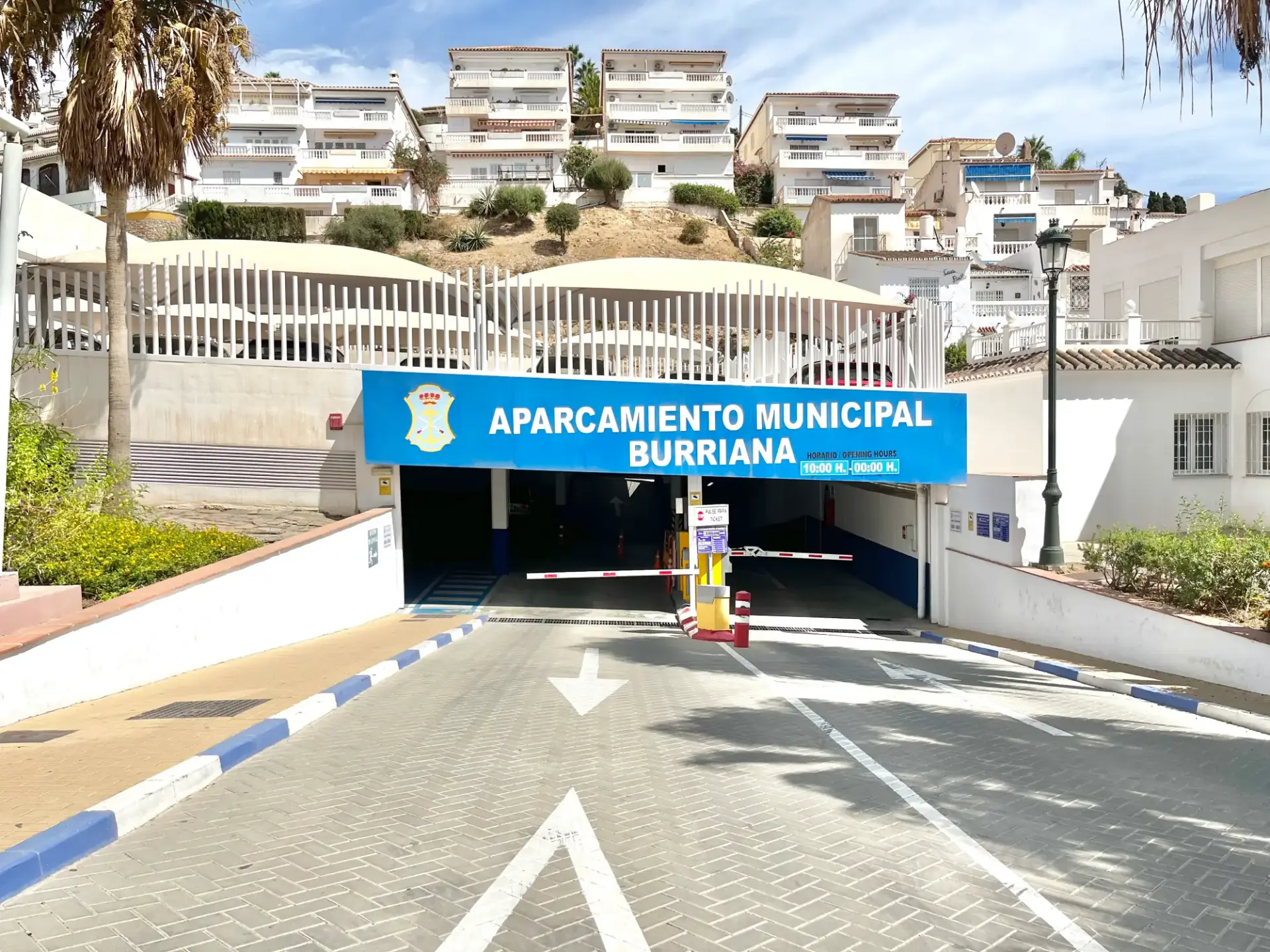
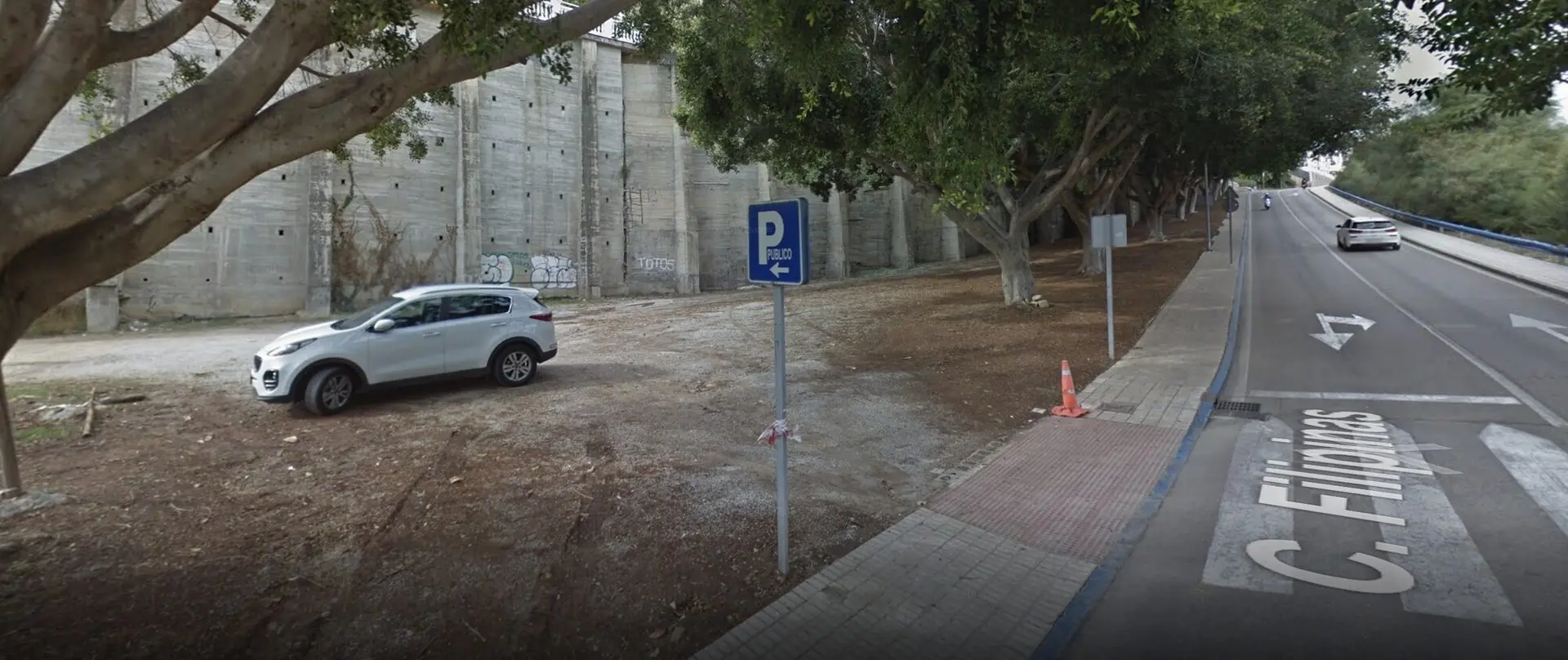
Where to park
How to get to Maro
Plan your route here: enter your starting point and choose how you want to travel.
Already on your way? Open GPS navigation:
Frequently asked questions
What's nearby
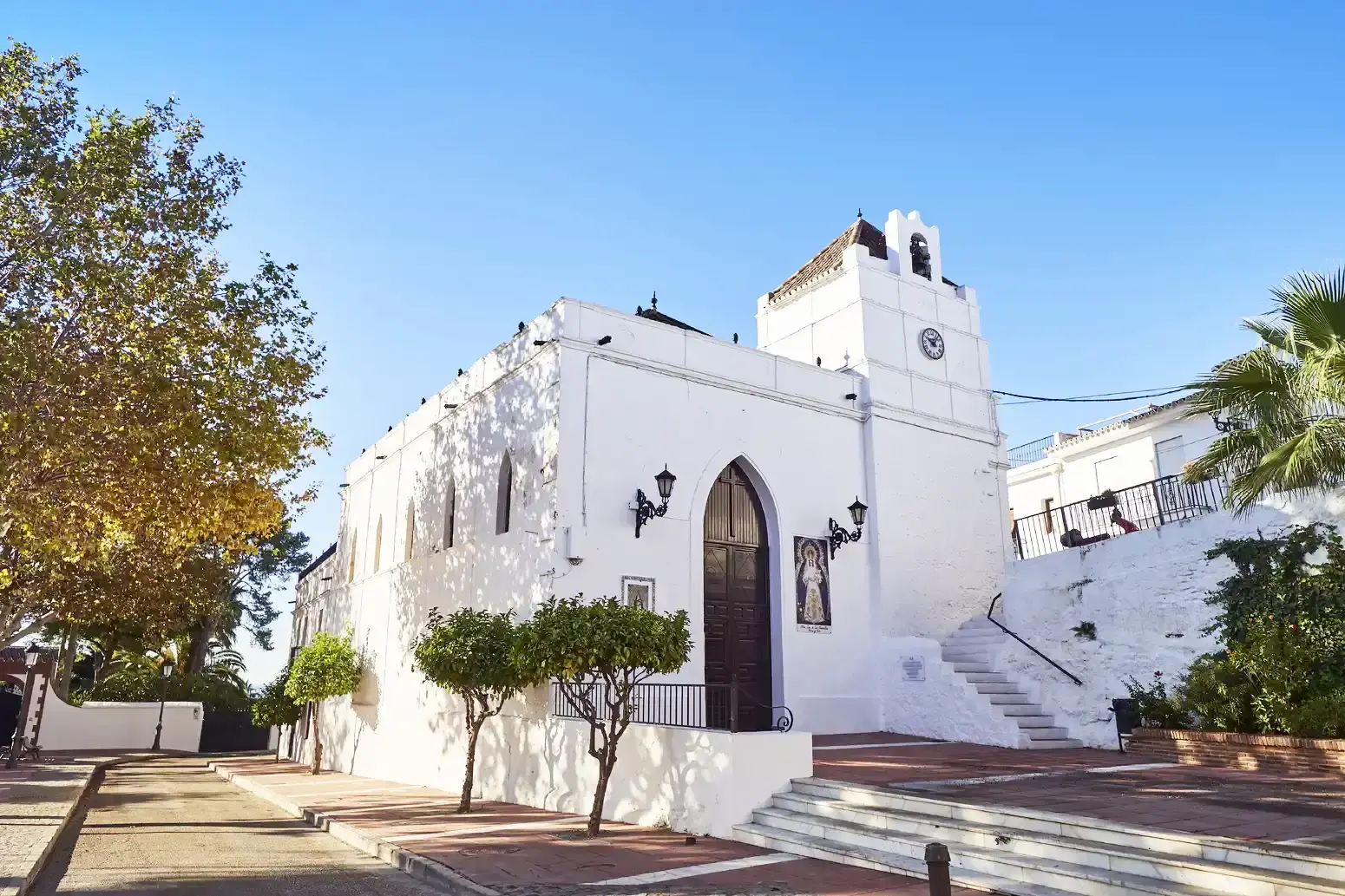
Iglesia Ntra. Sra. de las Maravillas (Maro)
Churches and chapels
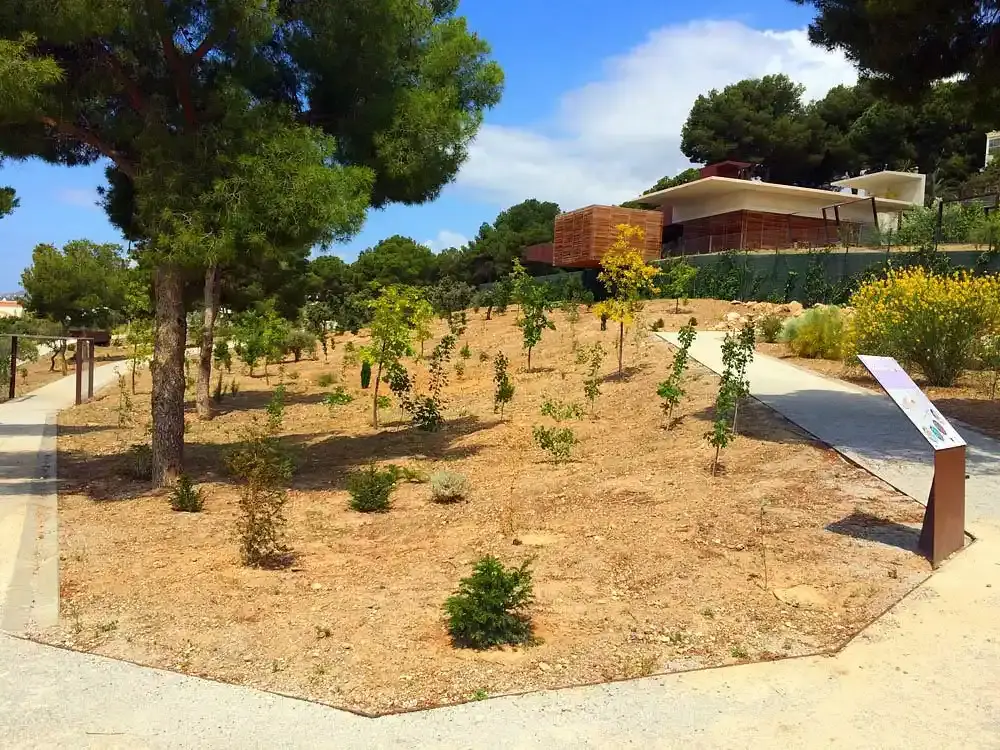
Detunda Botanical Garden
Places to Visit
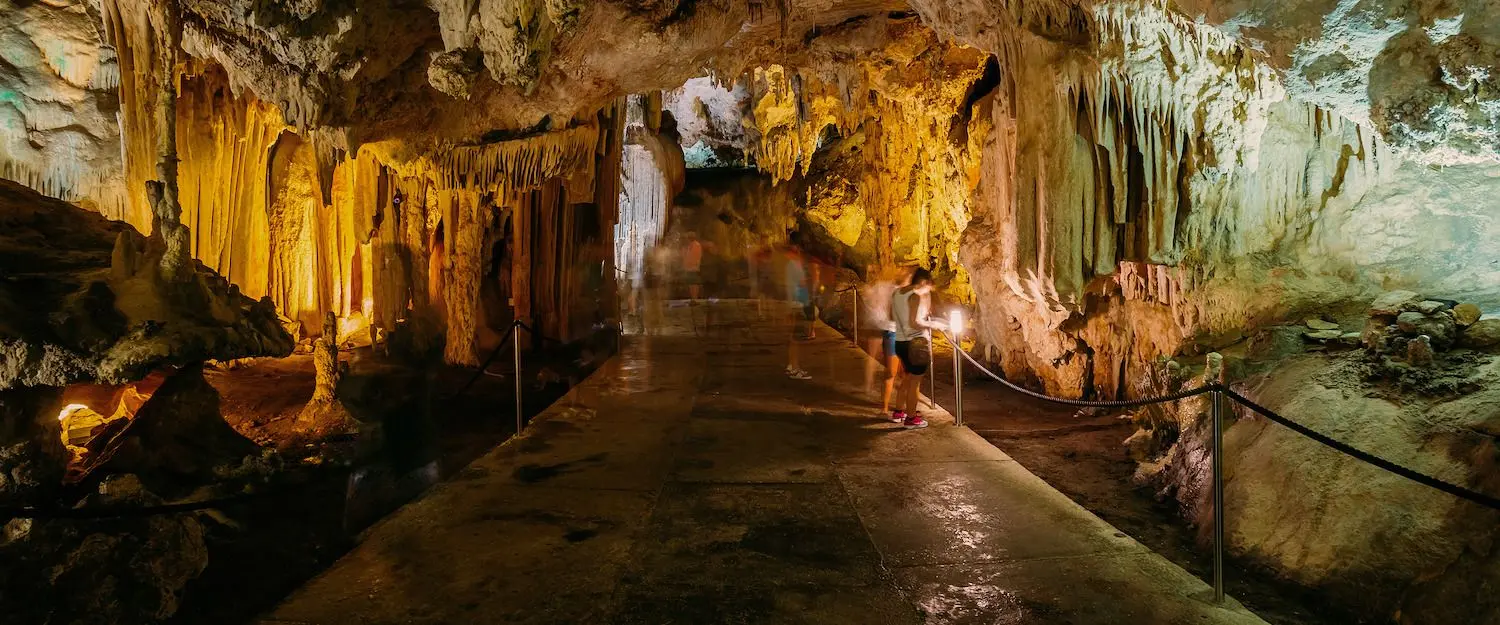
Nerja Caves
Places to Visit
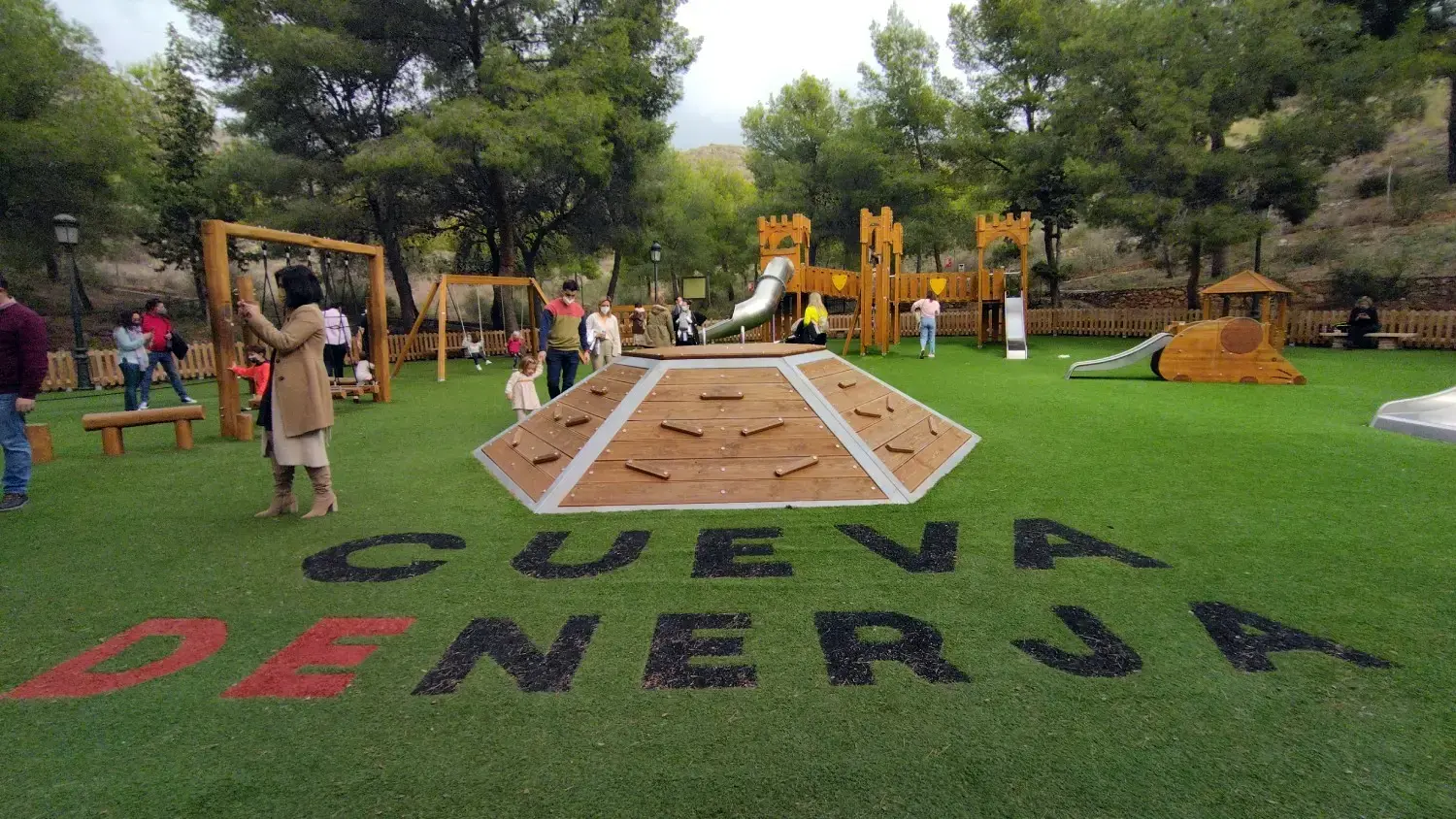
Cueva de Nerja Children's Playground
Children's playgrounds
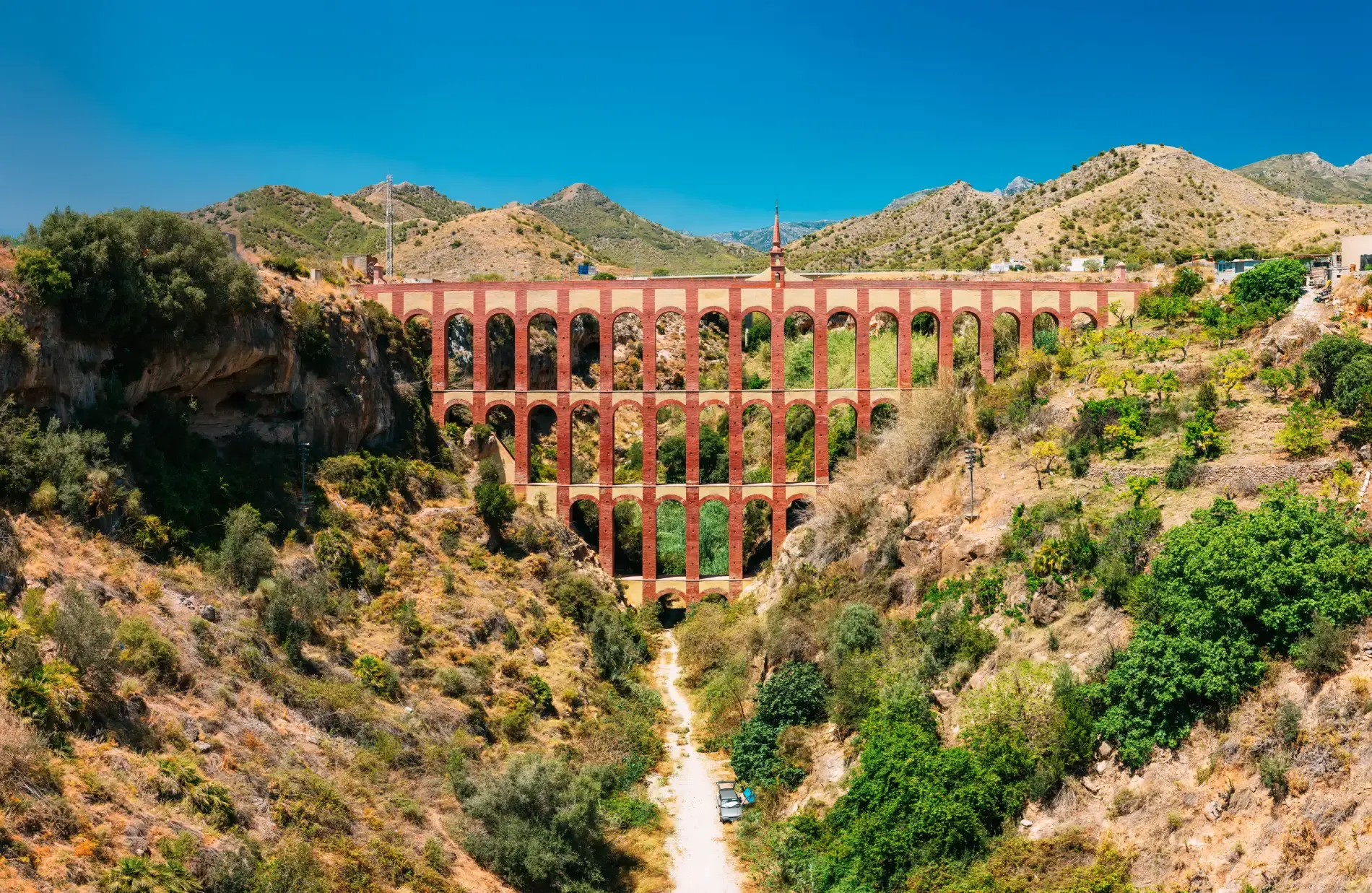
Eagle Aqueduct (Acueducto del Águila)
Places to Visit
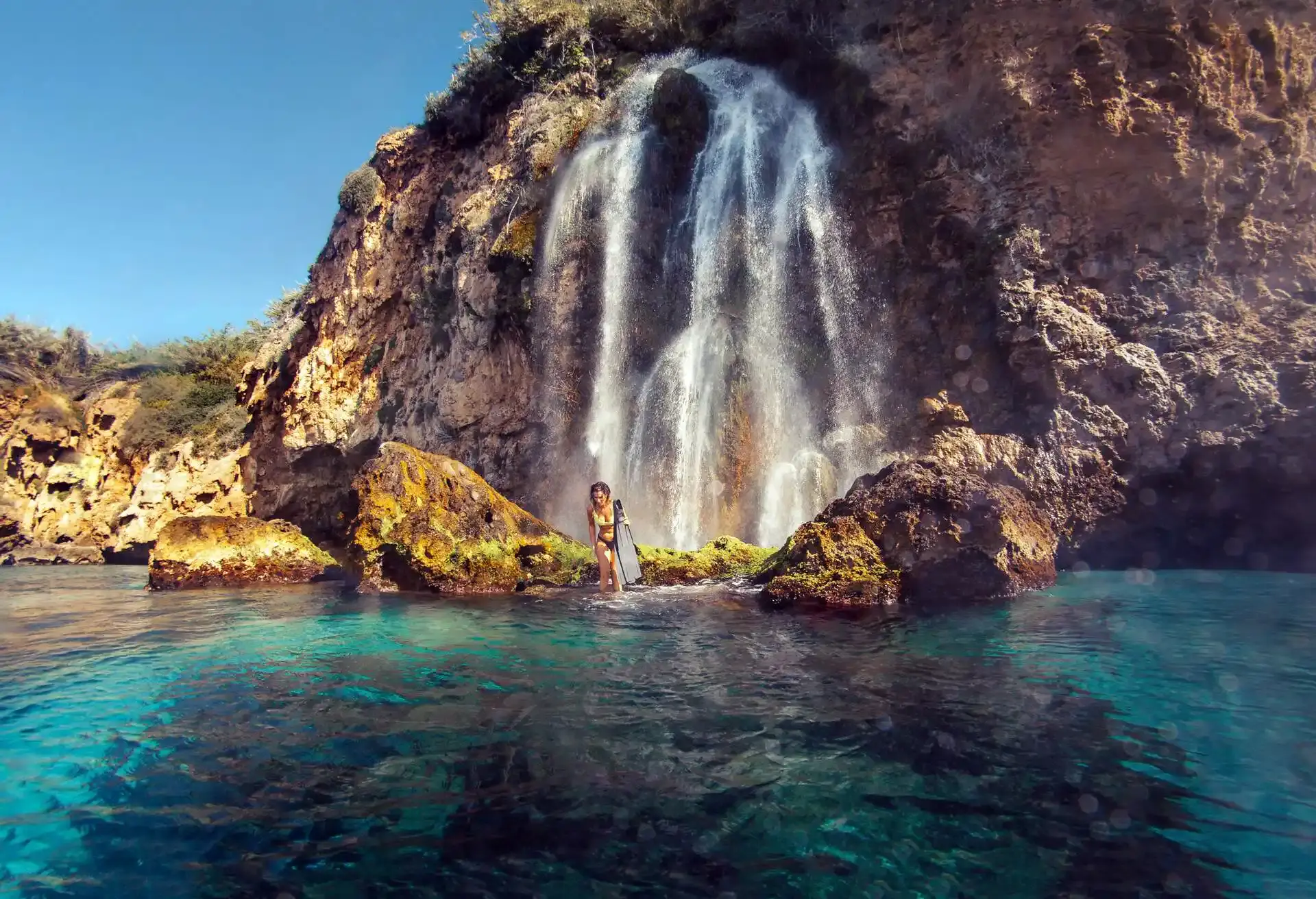
Maro Waterfall
Places to Visit



Keep exploring
Maro
Places to Visit
Visiting Maro: practical information
Getting there
- About 4 km east of Nerja town centre on the N-340: at the Nerja Cave roundabout, take the exit for Maro.
- From Málaga, about 55 km on the A-7 (around 50 minutes).
- On foot from Nerja along the roadside pavement or the Burriana to Maro walk.
Where to park
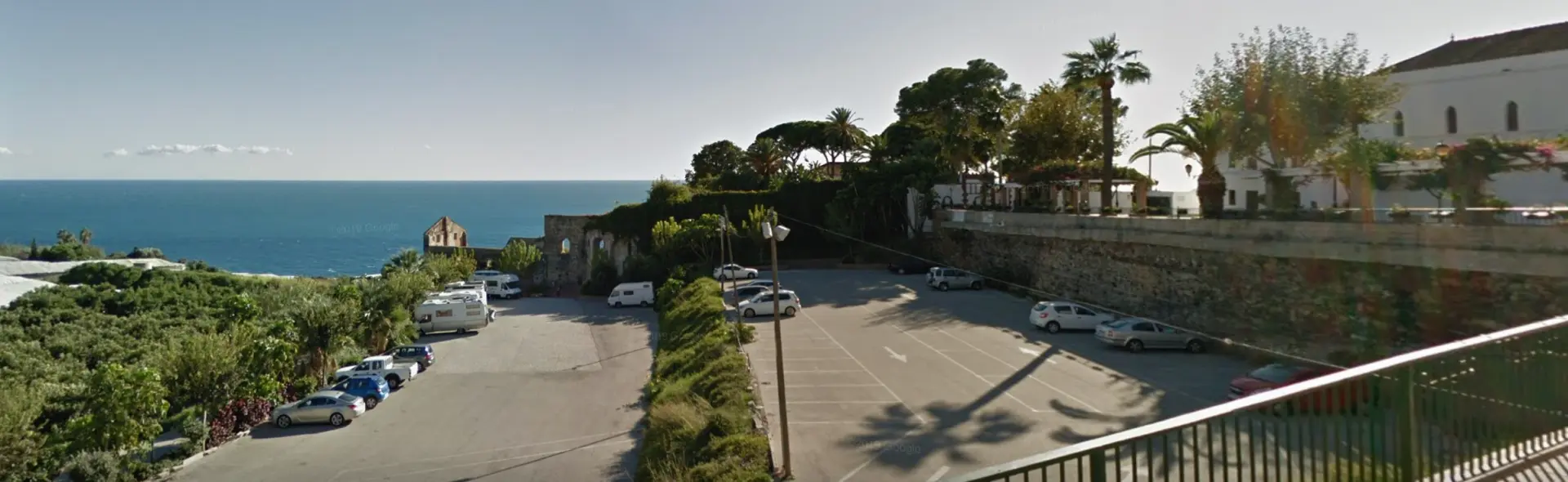
- New Maro car park: 100 free spaces at the western entrance to the village.
- Plaza de Maro car park: about 40 free spaces, some reserved for residents.
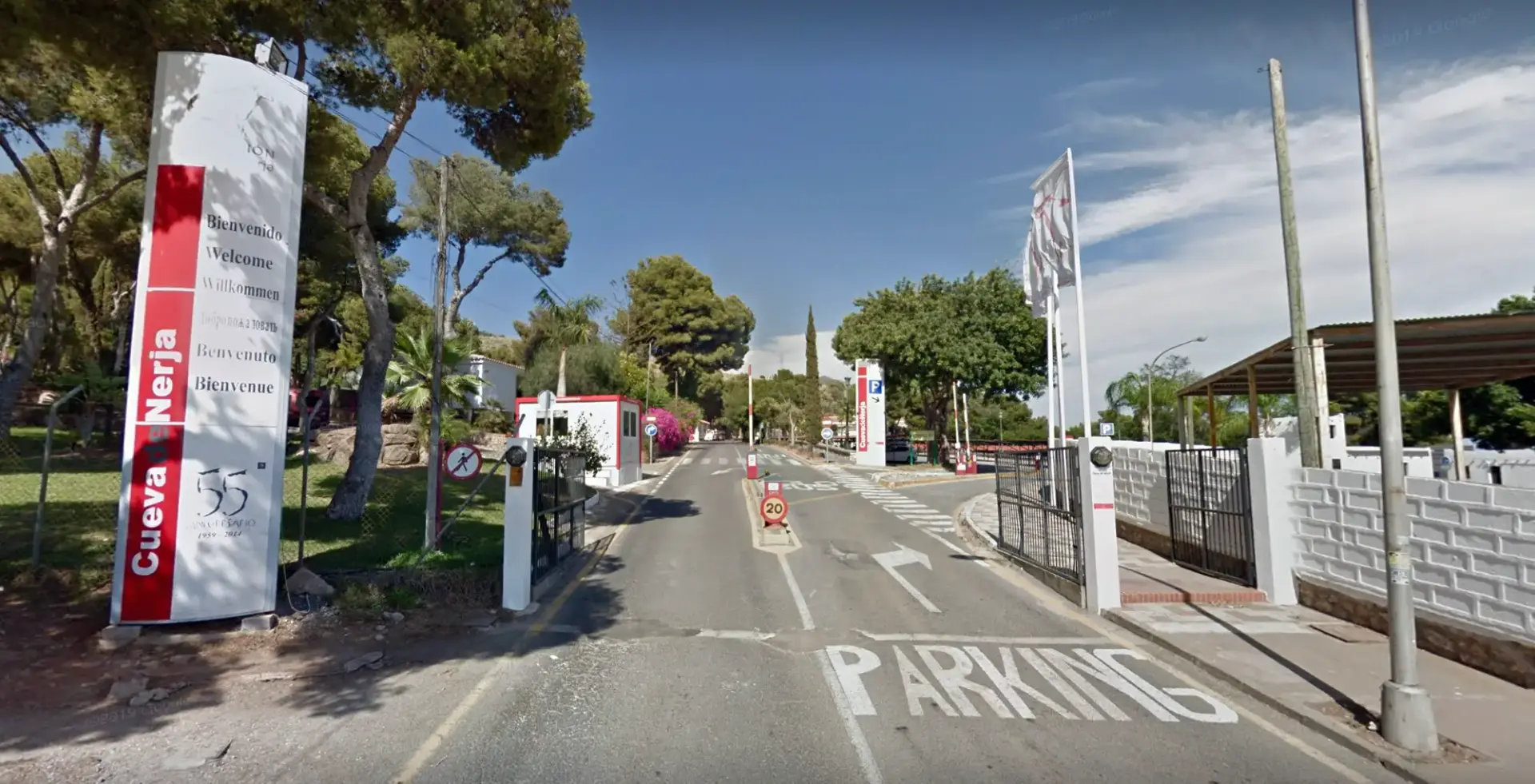
- Nerja Cave car park: paid (by the minute), about 500 m away.
- In summer it fills up early, so arrive early. Parking on yellow lines is fined.
Bus and shuttle
- ALSA bus Nerja–Maro from Nerja bus station (Av. Pescia), several departures a day. Timetables at alsa.com.
- Nerja's town bus does not reach Maro: the nearest stop (Capistrano) is about 1.7 km away.
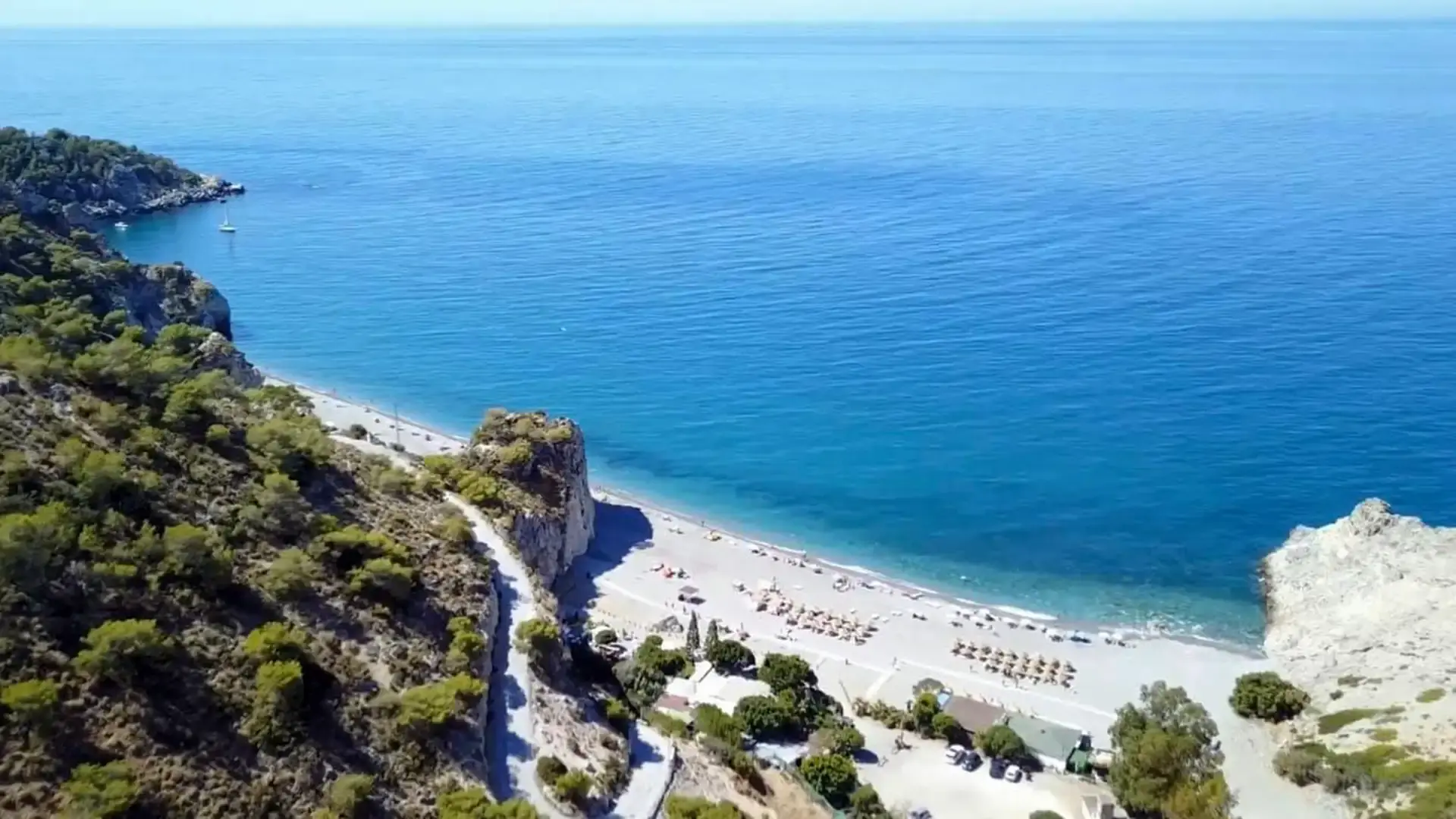
- Maro beach shuttle in summer (in 2026, 12 June to 15 September): daily from 10:00 to 20:30, €3 return. In season you cannot drive down to the beach.
Nearby beaches
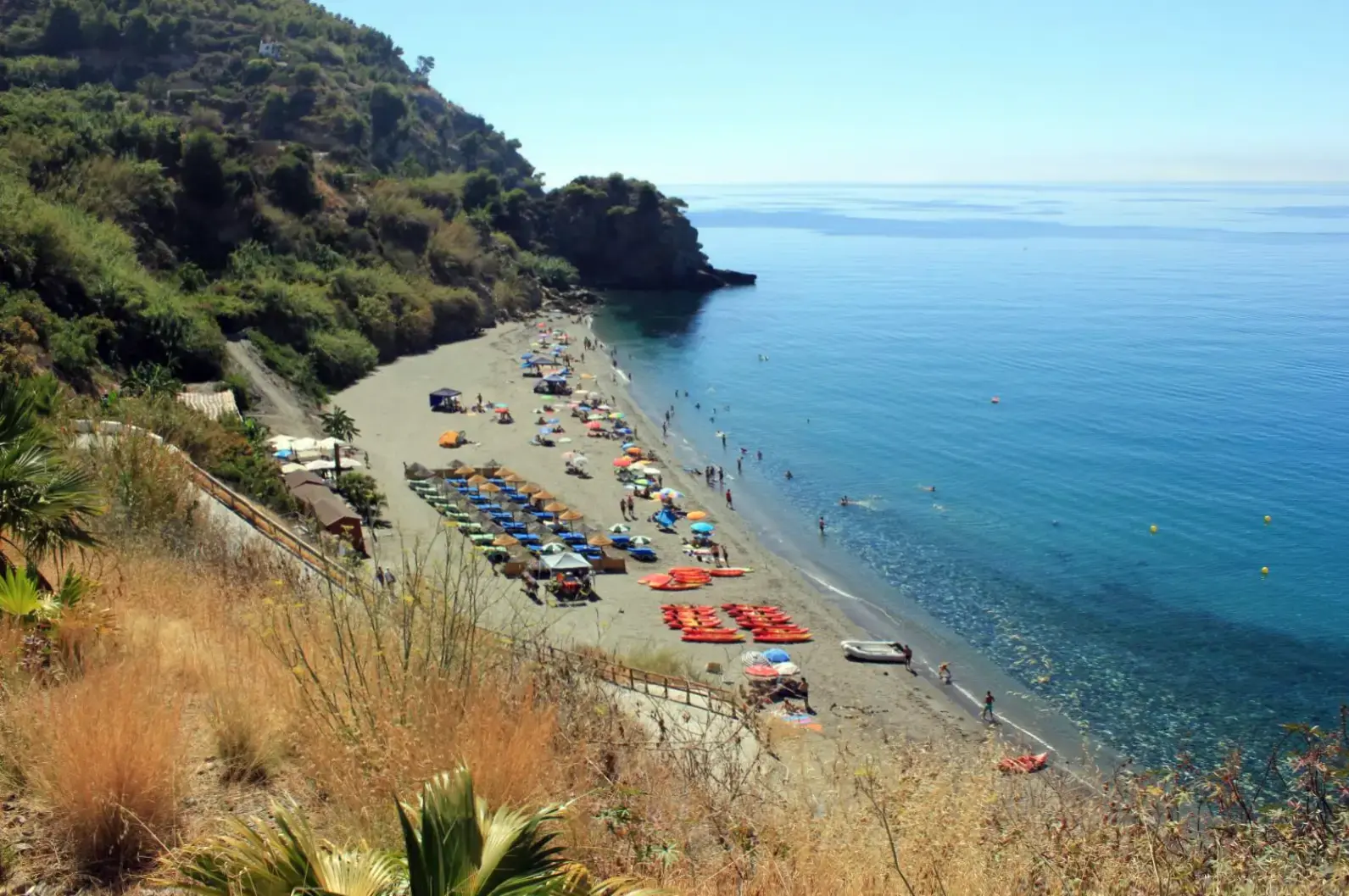
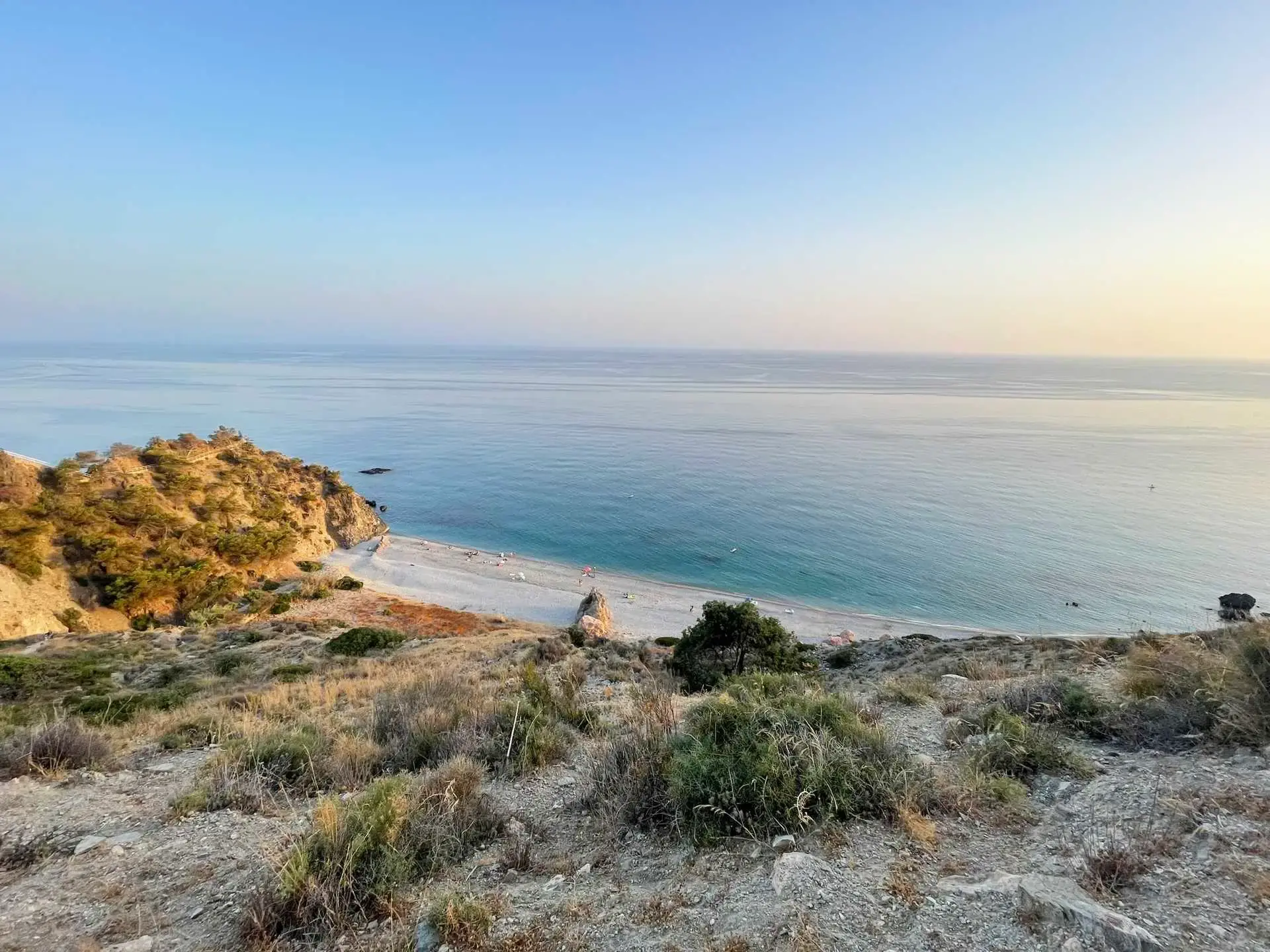
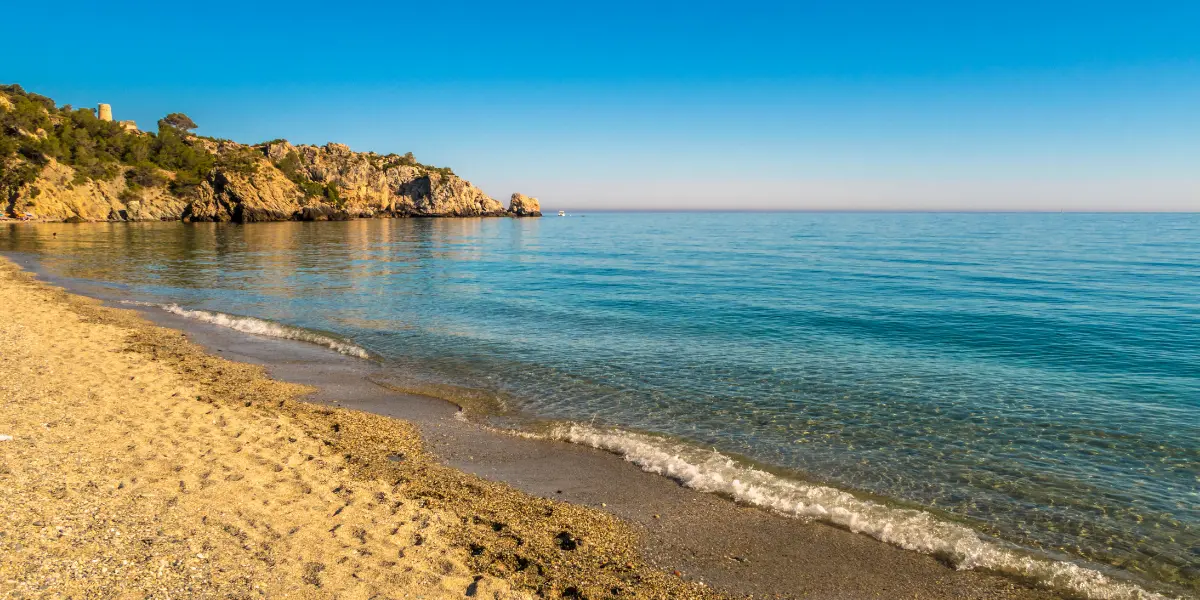
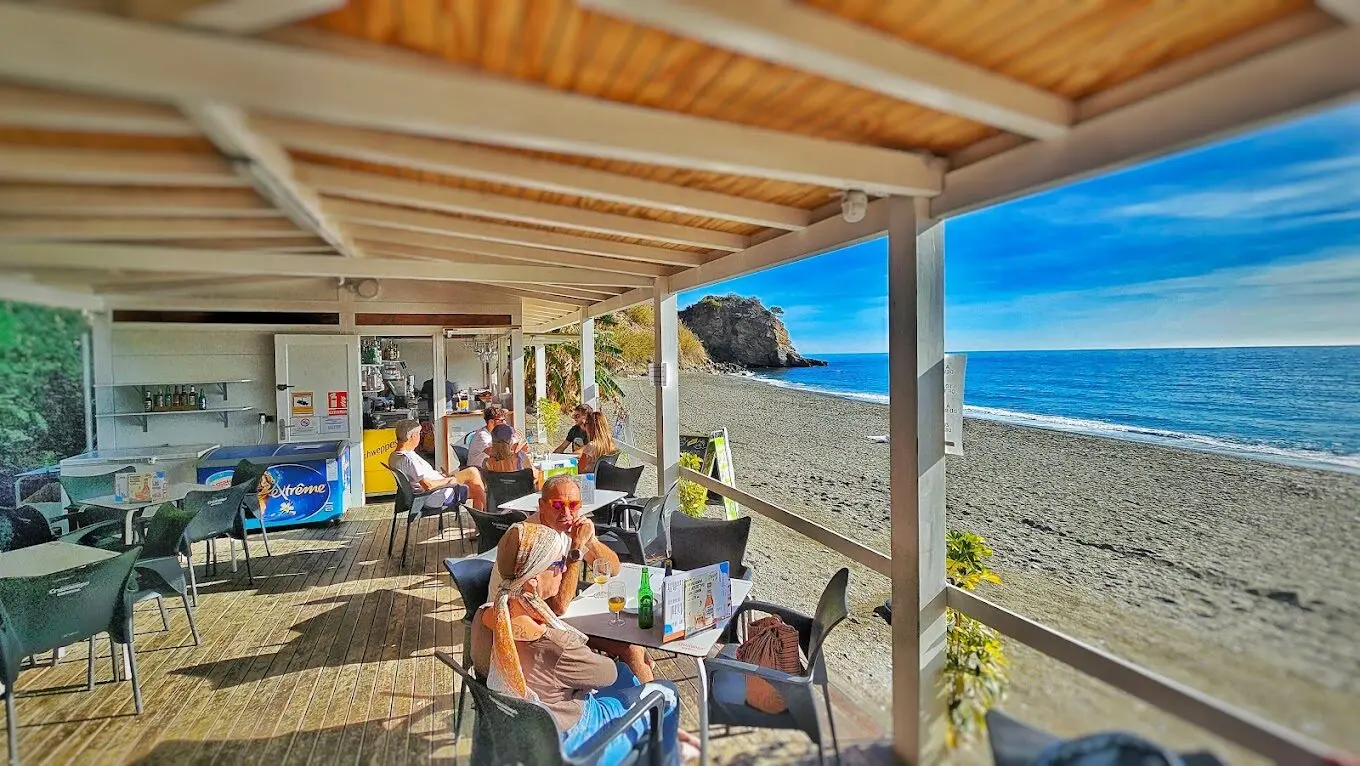
- Maro beach (800 m): walk down from the village or take the shuttle.
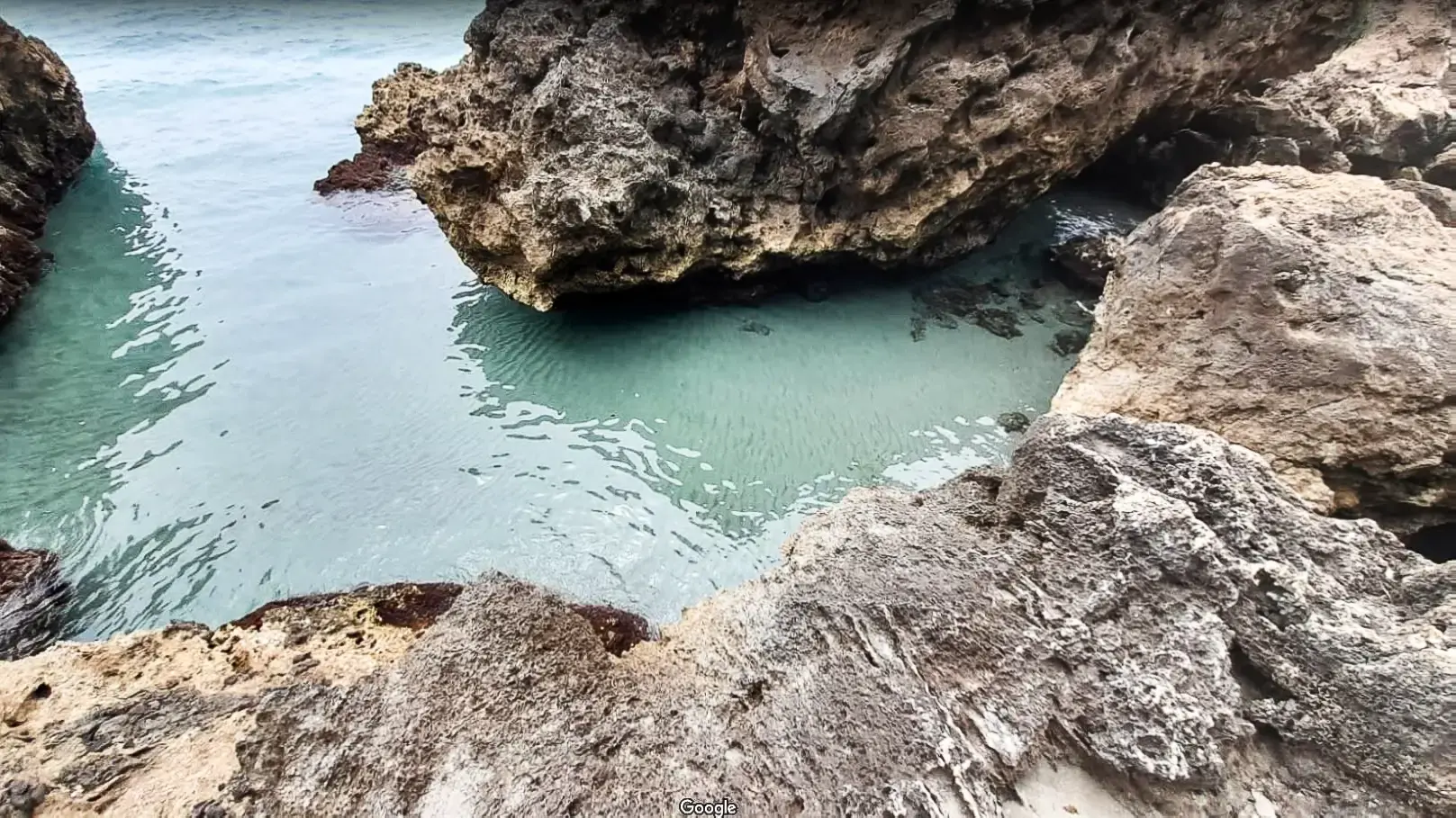
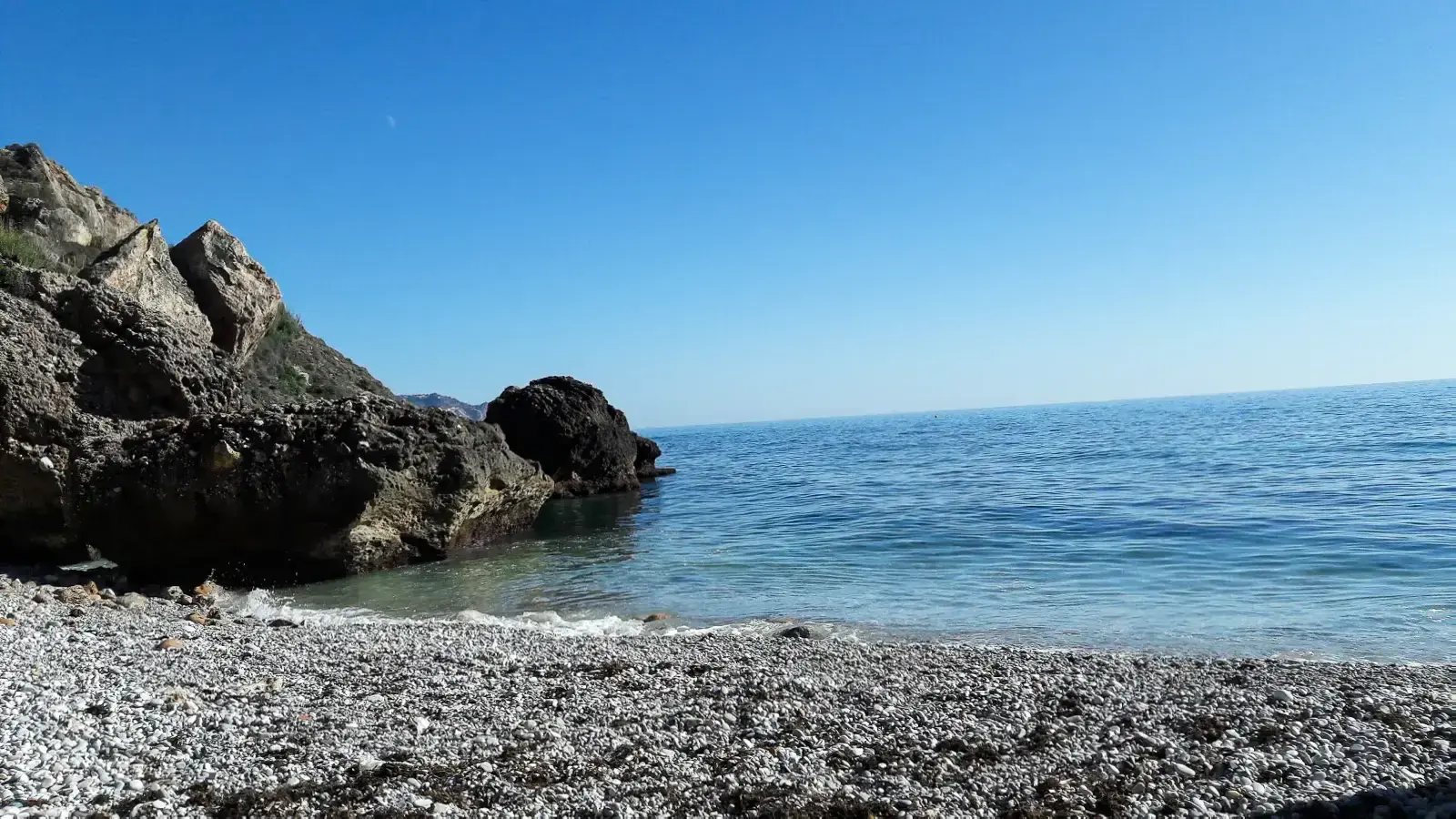
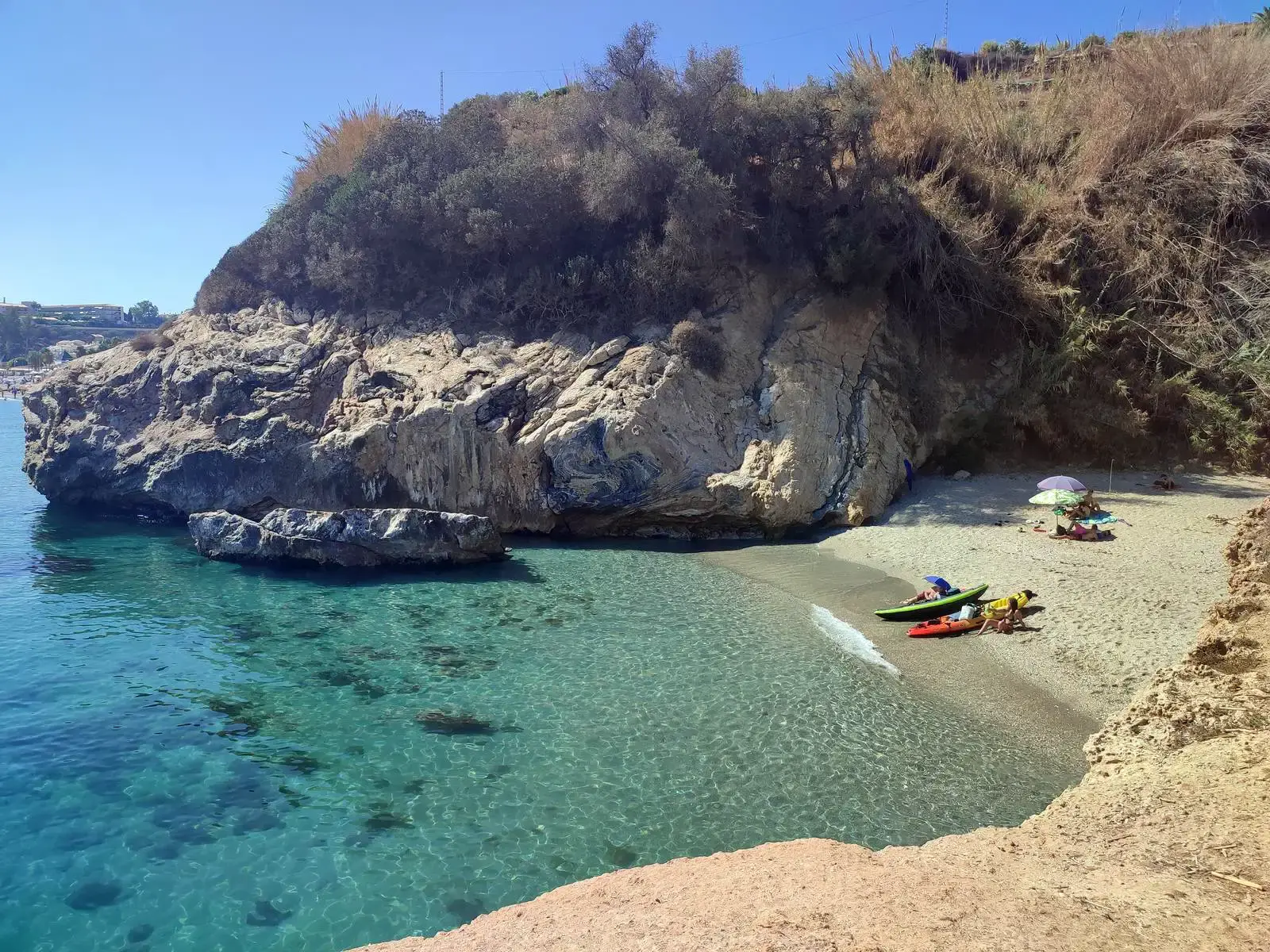
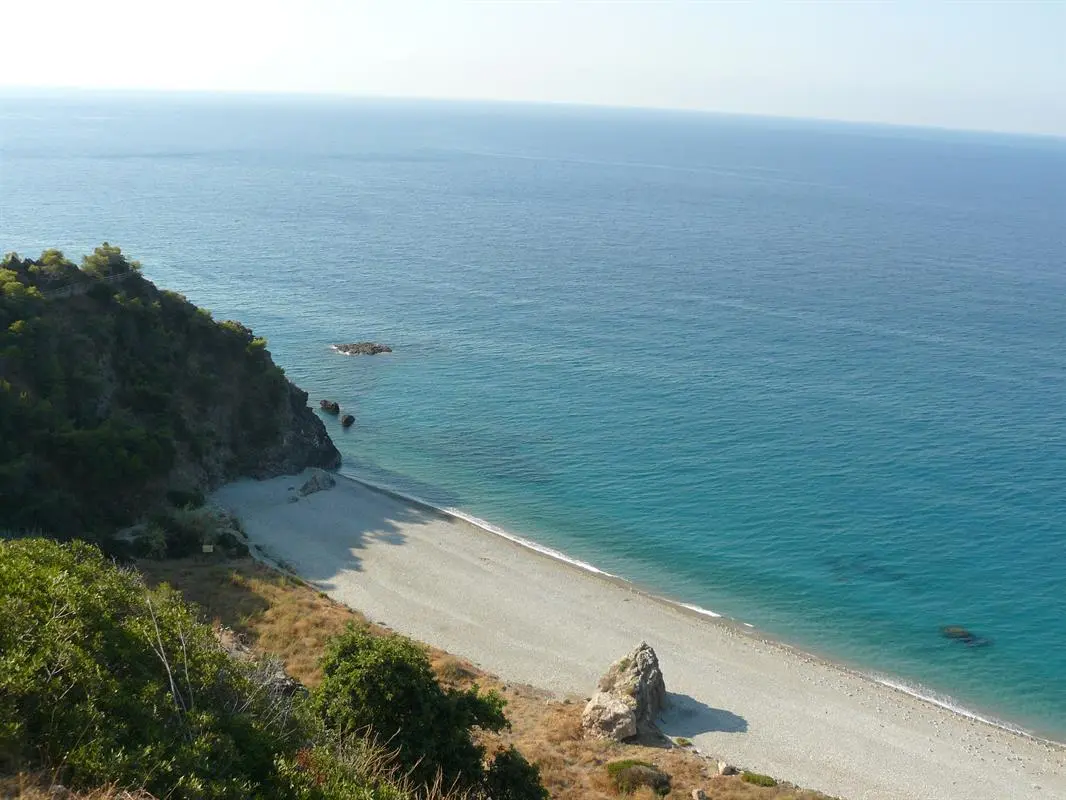
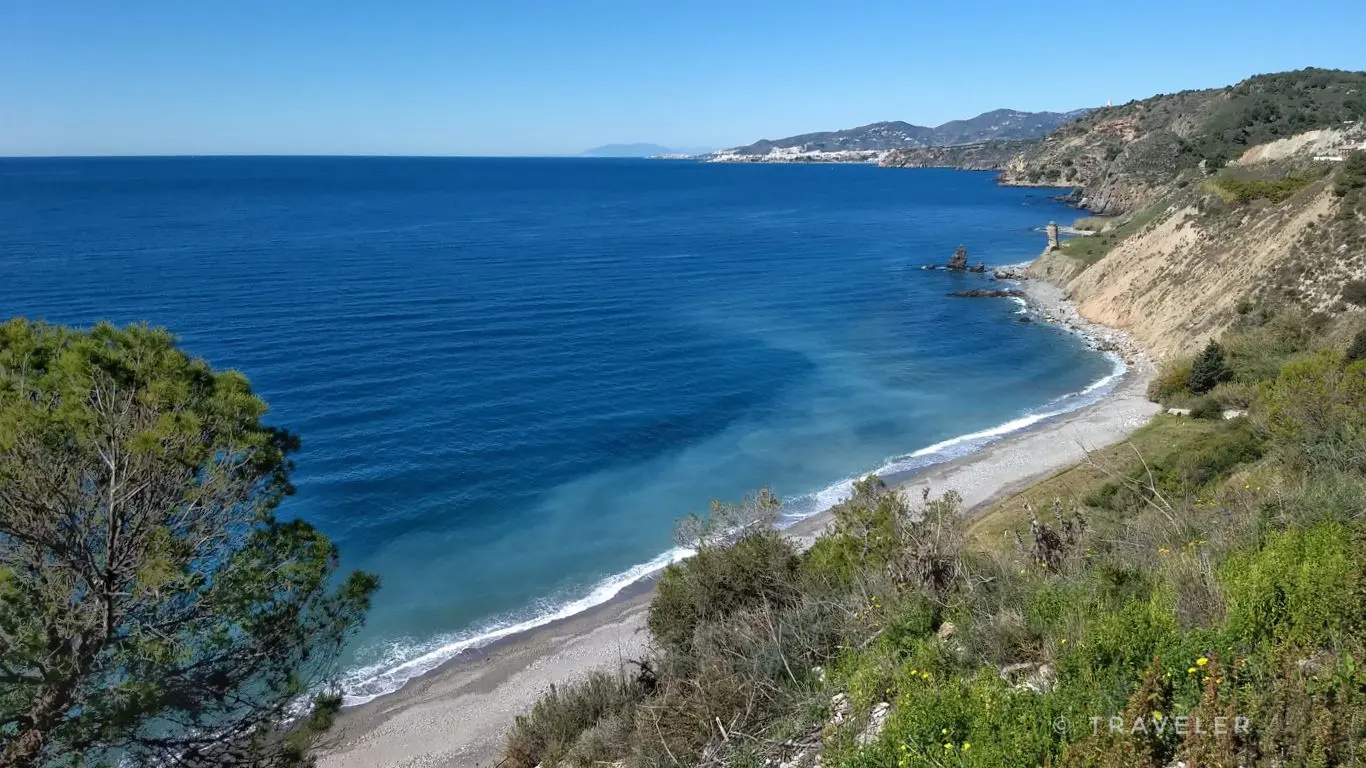
- Cala Barranco de Maro and La Caleta de Maro (1 km), with steep paths down.
- Las Alberquillas and Molino de Papel (3 km): coves with no facilities in the natural park.
- El Cañuelo (5 km, towards Almuñécar).
What to see nearby
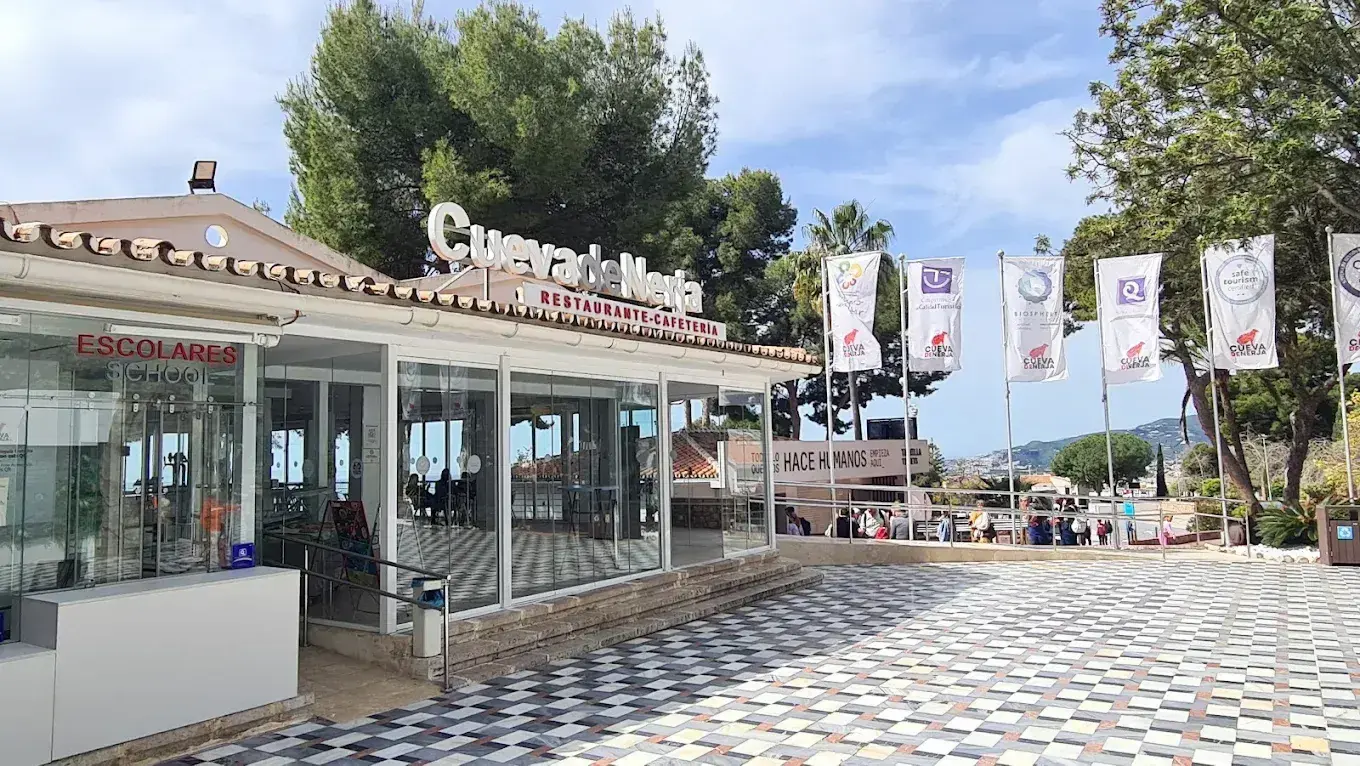
- Nerja Cave (500 m): 9:15 to 16:30, and until 17:30 from June to September. Tickets €16 online.
- Eagle Aqueduct (600 m) and Detunda Botanical Garden (400 m, 9:00 to 14:00).
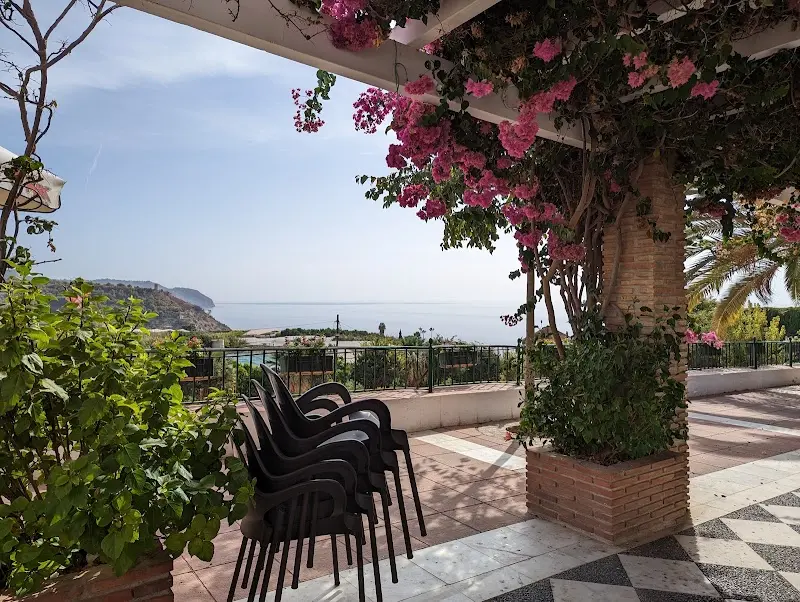
- Church of Las Maravillas, on the village square, with sea views.
- Maro Waterfall and Maro Tower: best seen from the sea, by kayak or boat.
Festivals
Services and tips
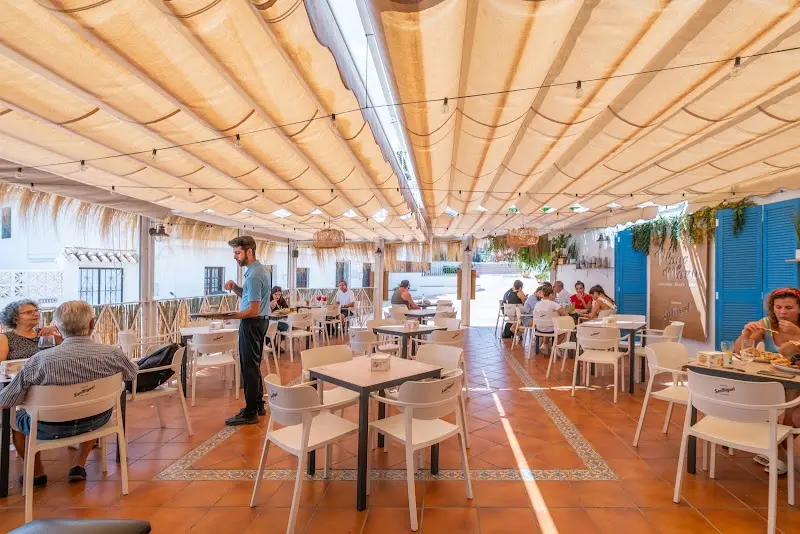
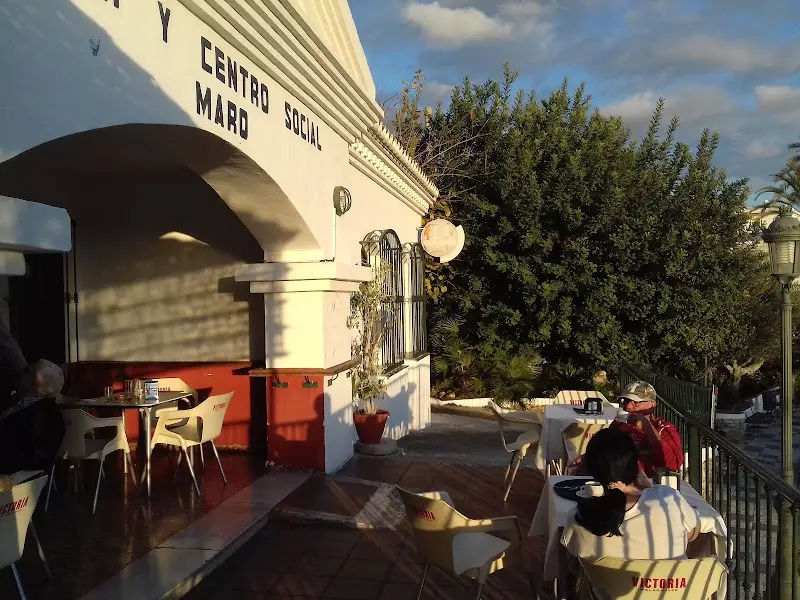
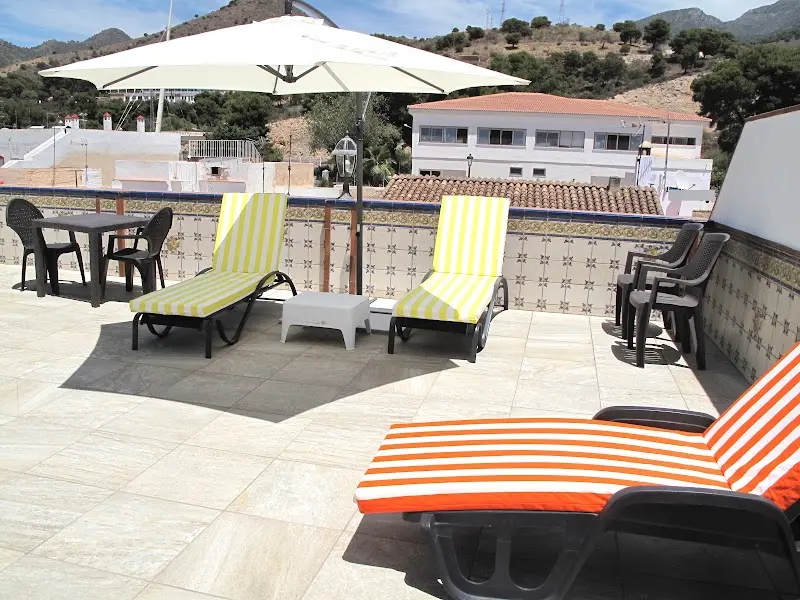
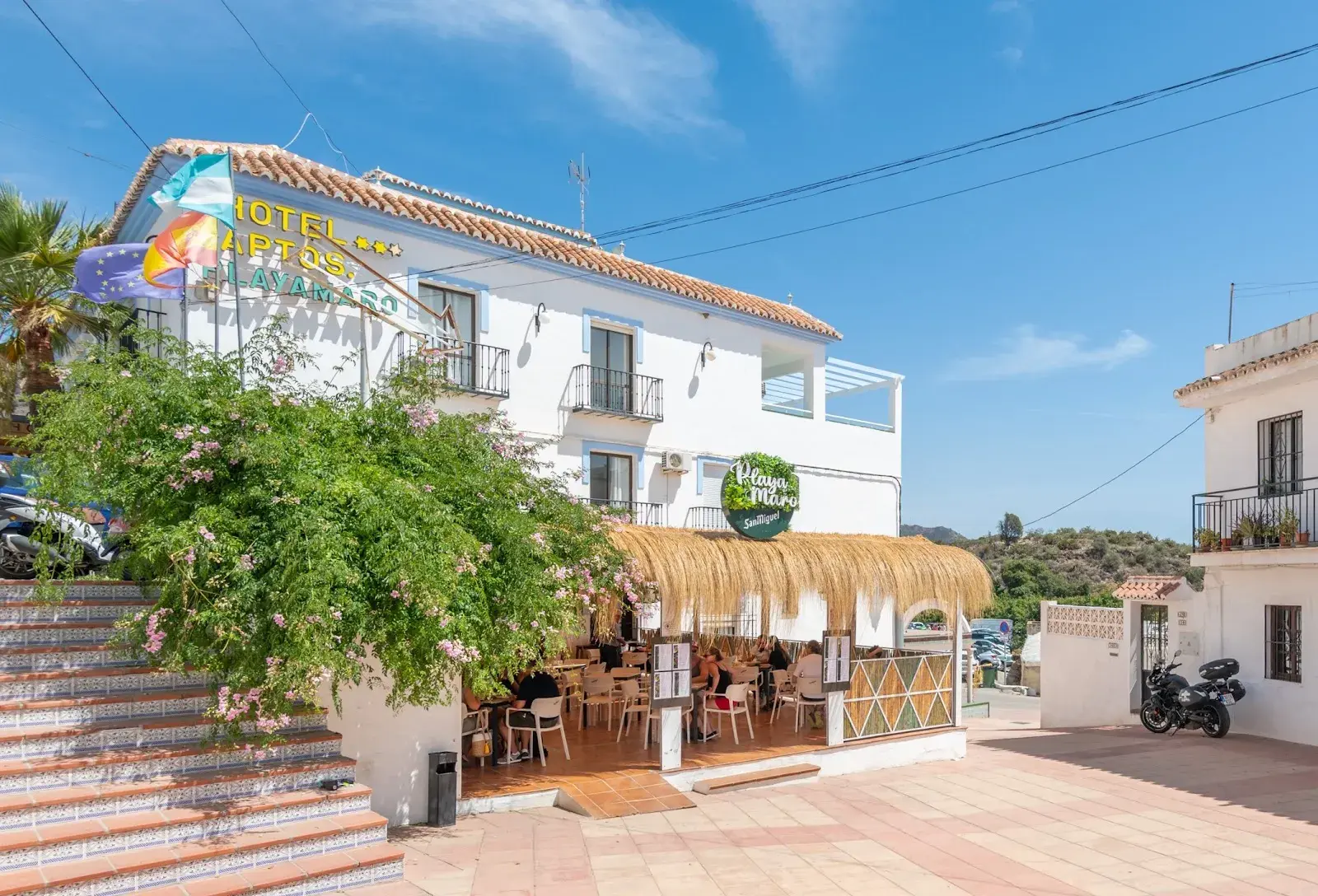
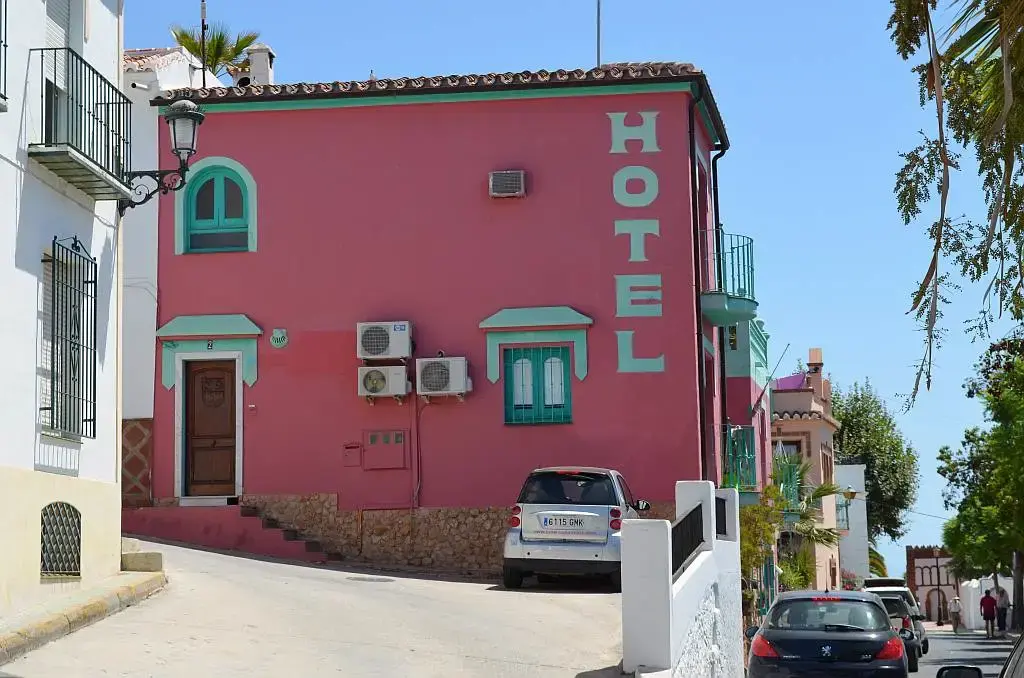
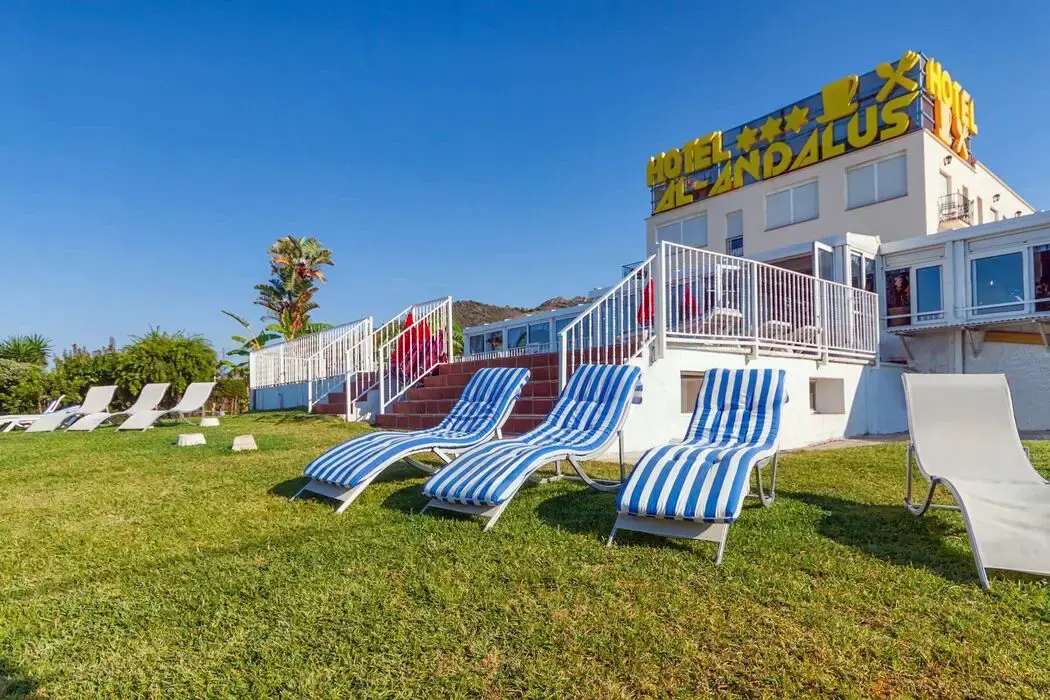
- The village has bars, restaurants and hotels such as Hotel Casa Maro and Hotel Playamaro.
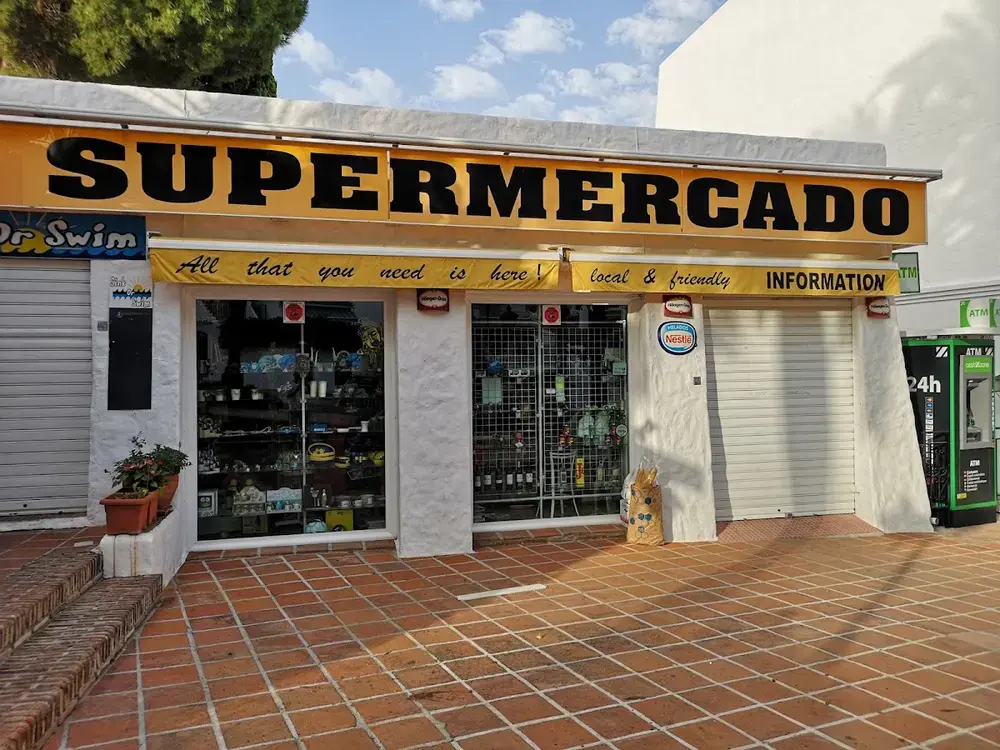
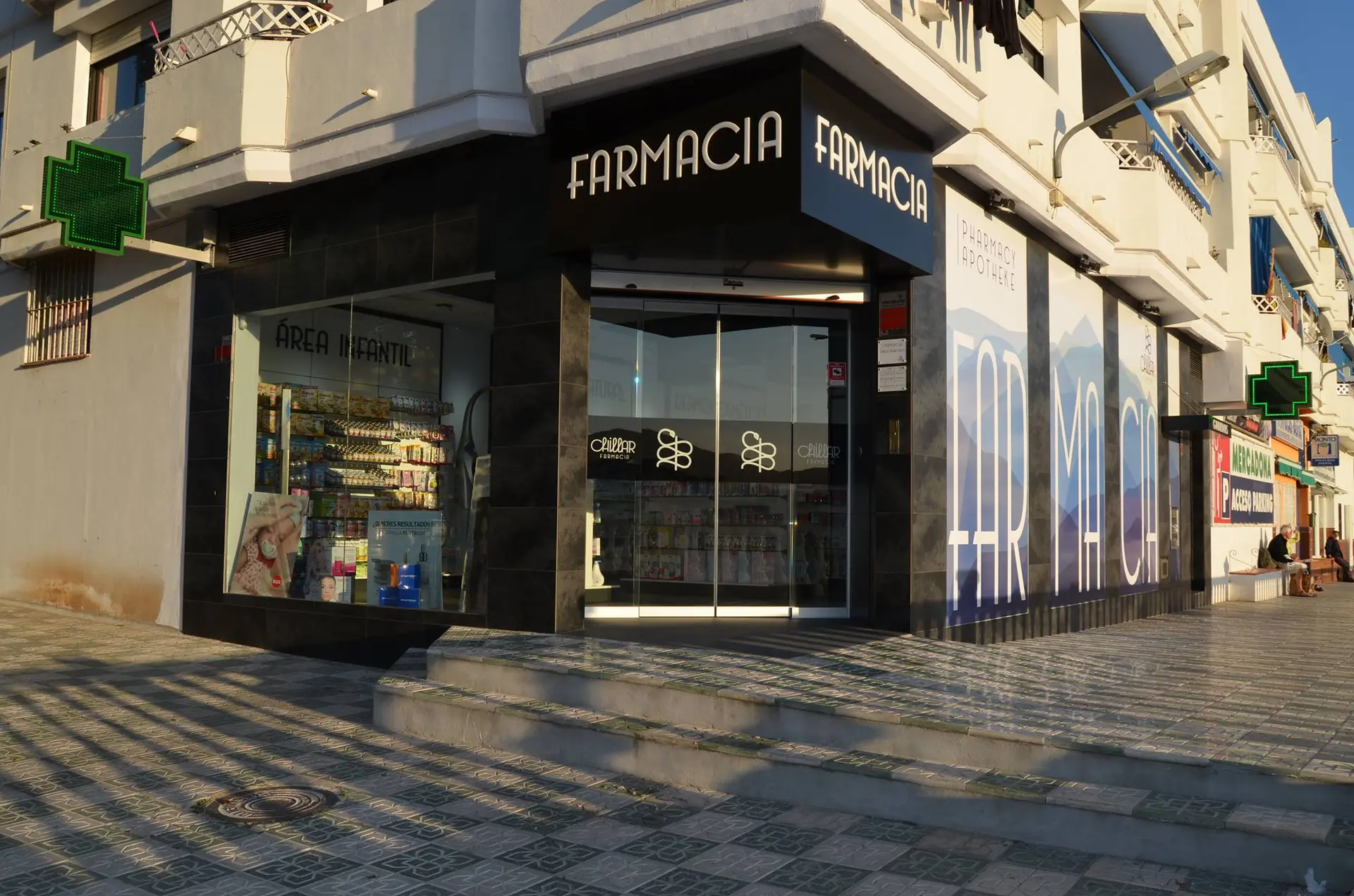
- Supermarket, pharmacy or cash machine: the nearest are in Nerja, 2-3 km away.
- For the coves, bring comfortable shoes, water and shade: the paths down are steep.