Frigiliana
Just 15 minutes from Nerja, the whitewashed hill village of Frigiliana is regularly voted Spain's most beautiful — winding lanes, Moorish history and spectacular mountain views.
Frigiliana is a white village in the Axarquía, just 6 km from Nerja, 300 metres up on the slopes of the Sierra Almijara with views of the sea. In 2015 it became the first town in Málaga province to join the association of The Most Beautiful Villages in Spain, and its old Moorish quarter is one of the best preserved in Andalusia.
From Nerja you can get there by bus, by car or on foot, and half a day is enough to see it. Here is what to see, how to get there, where to park and what to eat.
What to see in Frigiliana
How to get from Nerja to Frigiliana
By bus. Since 10 August 2026 the Nerja–Frigiliana line has been run by Grupo Verano Azul (it used to be Grupo Fajardo). In Nerja it stops on Avenida de Pescia, by the bus station, and takes about 20 minutes. Timetable published by Frigiliana Town Council:
| Route | Monday to Saturday | Sundays and public holidays |
|---|---|---|
| Nerja → Frigiliana | 07:20, 09:30, 10:30, 11:30, 12:30, 13:30, 15:40, 16:30, 17:30, 19:30, 20:30 and 21:30* | 09:30, 12:00, 13:00, 16:15, 17:30, 20:00 and 20:50 |
| Frigiliana → Nerja | 07:00, 08:00, 10:00, 11:00, 12:00, 13:00, 14:00, 15:20, 16:00, 17:00, 18:00, 20:00, 21:00 and 22:00* | 10:00, 12:30, 13:30, 17:00, 18:00, 20:30 and 21:10 |
* The 21:30 from Nerja and the 22:00 from Frigiliana only run from 1 July to 14 September. Times can change: check the Frigiliana Town Council website before you go.
By car it is 10–15 minutes on the MA-5105. By taxi, about 10 minutes from the centre of Nerja. Or on foot, along the historic trail from Nerja to Frigiliana, an easy 5.5 km walk.
What to eat in Frigiliana
The signature dish is choto (kid goat), along with migas, sweet potato with honey, arropía and marcochas (traditional sweets), Moscatel wine and miel de caña (sugar-cane honey), sold in the village shops. A tapas trail is held during the 3 Cultures Festival.
Festivals in Frigiliana
The best known is the Frigiliana 3 Cultures Festival in late August, celebrating the coexistence of Christians, Muslims and Jews with music, a market and food. The patron saints' days are San Sebastián (20 January) and San Antonio (13 June), and the Day of the Cross is on 3 May.
Tours and guided visits to Frigiliana
If you prefer a guide, there is a guided tour of Frigiliana and a tour of Frigiliana from Nerja.
🎯 Book now
Book now, pay nothing today, free cancellation.
Video
1 videoFrigiliana — video 1
History
- Almost 4,000 Moriscos (Arabs who had been baptised as Christians) unsuccessfully defended the castle against the Spaniards. It is said that some of the Moors threw themselves down rather than be killed or captured by the Spaniards. Afterwards, the castle was demolished stone by stone, and remains of it can still be seen.
Twelve ceramic plaques located on the walls of the old quarter depict the history of the Moriscos of Frigiliana and the events of the final battle.
Where to park
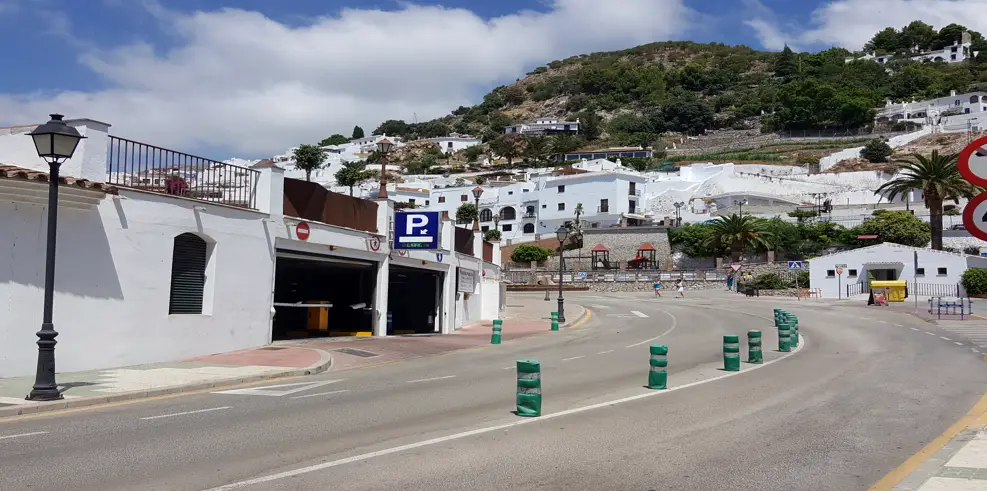
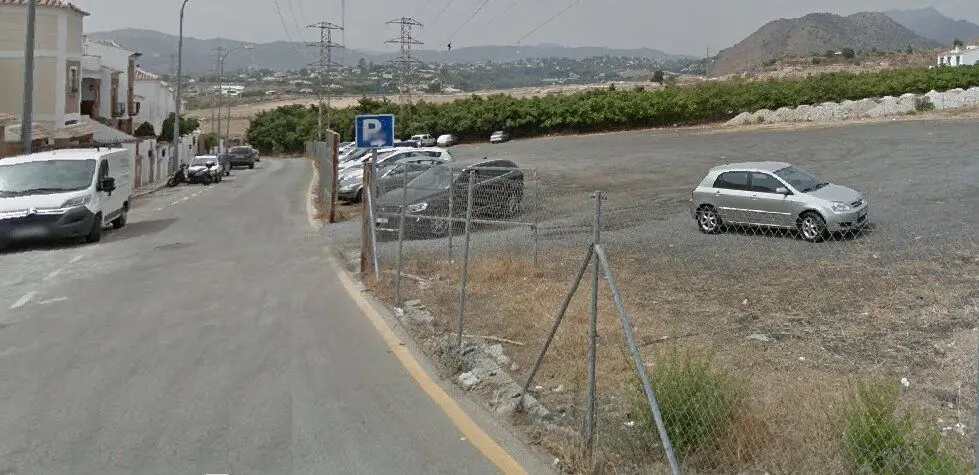
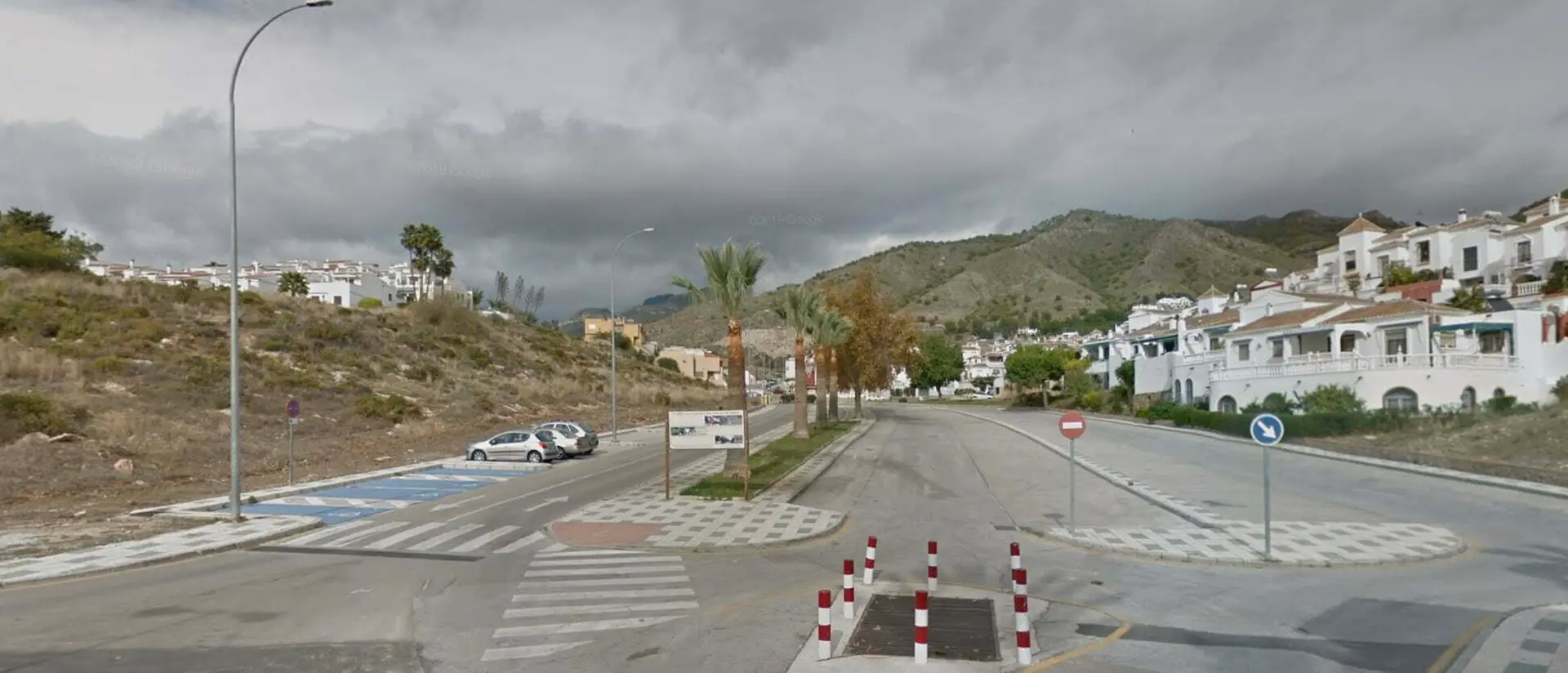
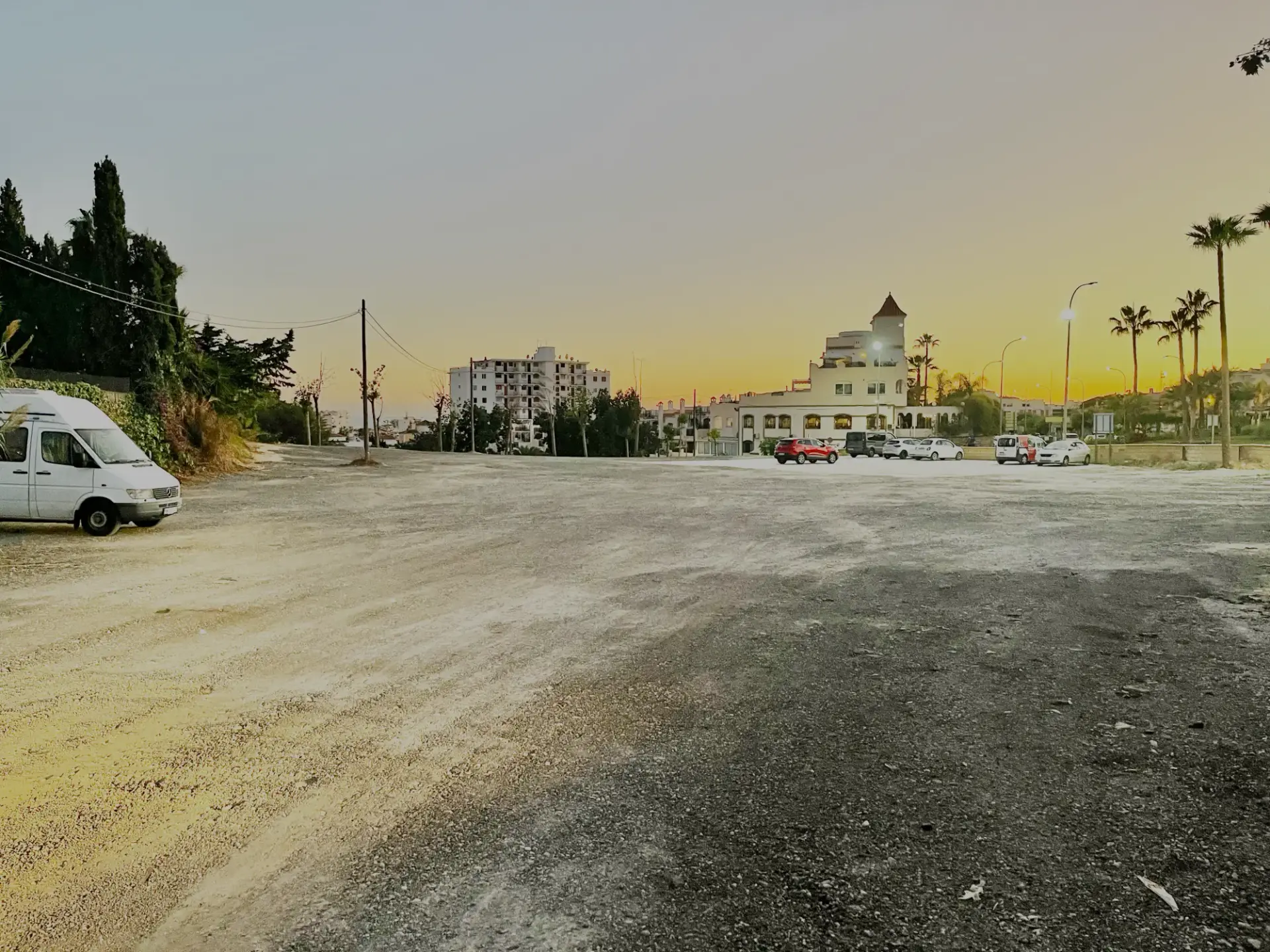
Frigiliana's old town is pedestrian-only and its streets are very narrow: leave the car outside. At the entrance to the village there is a paid underground public car park on several levels, a few minutes' walk from the centre. At weekends, on public holidays and in summer it fills up early, so arrive early. You can also park along the access road outside the village, following the signs. In high season the bus from Nerja saves the hassle.
How to get to Frigiliana
Plan your route here: enter your starting point and choose how you want to travel.
Already on your way? Open GPS navigation:
Frequently asked questions
What's nearby

Keep exploring
Frigiliana
Places to Visit
Free cancellation
Reserve now, pay later