Piedra de Tarzán Cove
Little cove at the eastern end of Burriana with the best-known jumping rock in Nerja. Clear water, no facilities and Burriana's beach bars a step away.
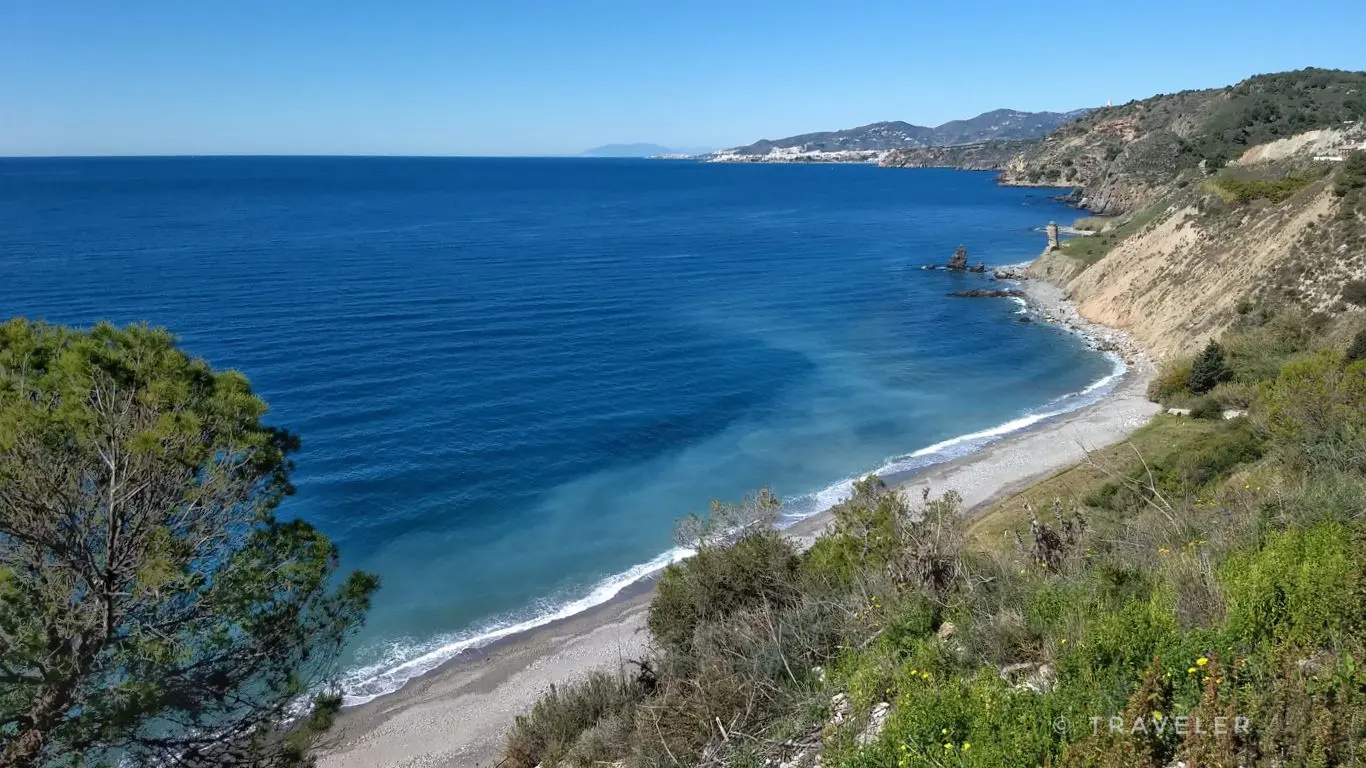
Piedra de Tarzán is a little cove of sand and small pebbles tucked against the eastern end of Burriana Beach, on the other side of a rocky spur. It is named after the rock that juts out into the sea, from which people jump into the water from 2 to 5 metres up: it is the best-known jumping spot in Nerja. The water is usually very clear and, being so close to Burriana, it has beach bars and car parks a few minutes' walk away.
How to get there
The easiest way is along the shore: from the eastern end of Burriana, the one nearest Maro, carry on along the sand beside the rocks. After recent storms the sea has piled up sand and the cove is now almost joined to Burriana, so when the sea is calm you can walk there in a few minutes; when there are waves, do not cross the rocks. You can also come down from above along a steep dirt path between reeds, 5-10 minutes, but the lane leading to it is private: do not drive down. By kayak or paddleboard it is a regular stop on trips from Burriana towards Maro.
Facilities
There are none in the cove: no lifeguard, showers, bins or shade. But a few minutes away, on Burriana itself, there are beach bars, such as Chiringuito Ayo, plus showers, toilets and sunlounger hire. Unfortunately, the cove often collects rubbish left by visitors: take yours with you.
Jumping: use your head
To jump, you climb onto the rock from the landward side, which is not difficult. Before you jump, check the depth and that nobody is below, always jump feet first and never dive head first, and do not jump when there are waves or if you have been drinking. The rock is very rough and sharp, so wear water shoes. Next to the cove there is a cave with underwater passages: do not swim into it. It is not a cove for small children.
What it is like: about 35 metres of coarse sand and small pebbles, sheltered below the cliff, with a young crowd in summer; some people go nude too. When the water is warm there can be jellyfish. To the east, past the cliff, are Barranco de Maro cove and La Caleta de Maro; all the coves in the area are in our guide to Maro beaches.
Beach information
Beach fact sheet
Jellyfish today
Today, 31/10/2026, the jellyfish risk is no risk. The water is at 20°C.
No recent sightings recorded at Piedra de Tarzán Cove.
No swimmer has reported jellyfish here in recent days. In these conditions swimming is usually calm, though it is always wise to stay alert.
If a jellyfish stings you
- Get out of the water and go to the nearest lifeguard post.
- Rinse the area with sea water (never fresh water) and remove any remains without rubbing.
- If there is no lifeguard, call 112 or Nerja Civil Protection.
Weather
Expected crowds
Tides
In the Mediterranean the tide is very small: today the difference between high and low tide is only about 41 cm, so it barely affects swimming.
Slightly larger variation than usual for the Mediterranean. Check the low-tide times for more beach space.
Water sports & activities
This beach has no water-sports service, but you can enjoy them very close by. We show you the nearest beaches where you can book them.
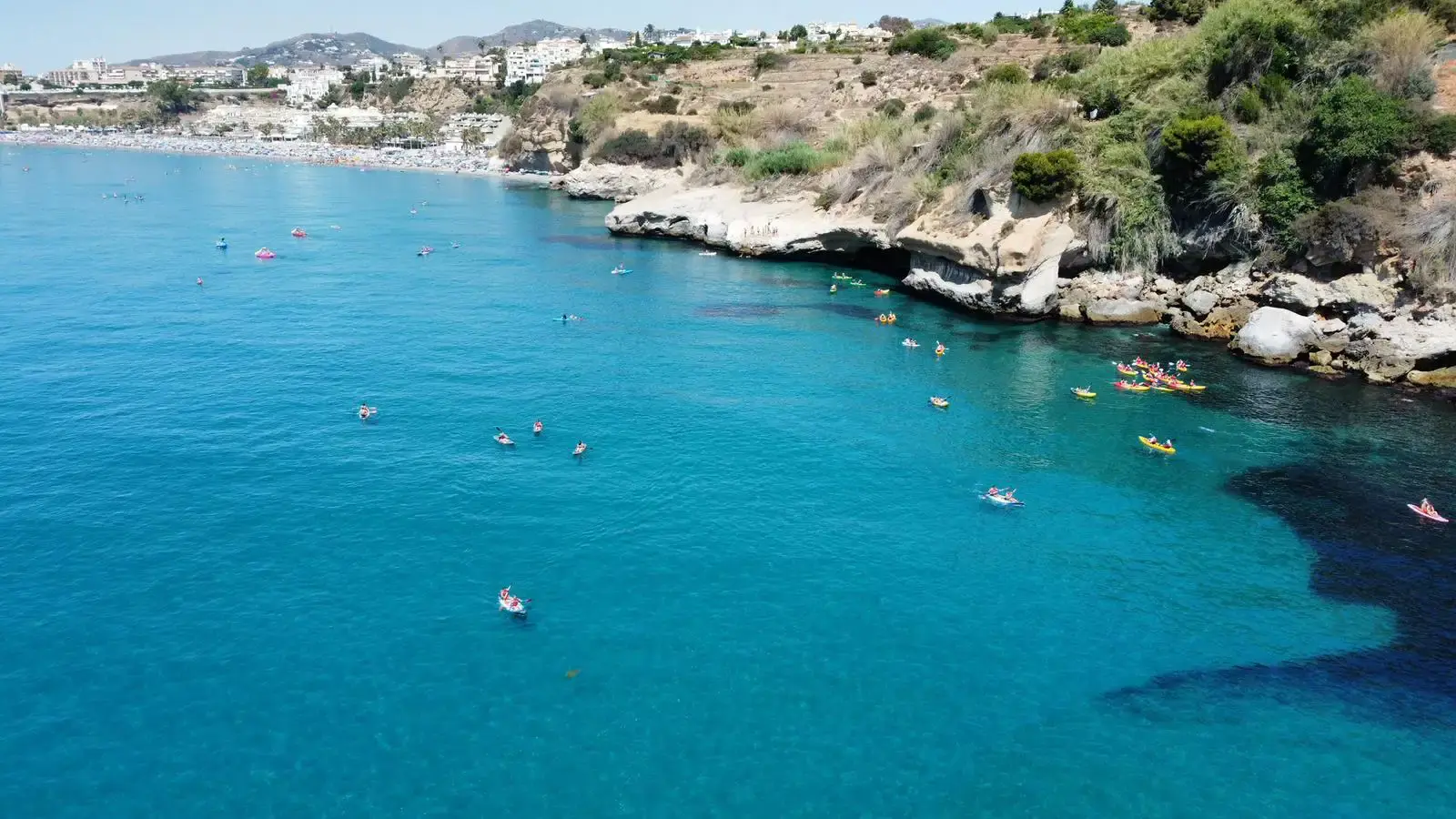
Kayak
Nearest: Playa de Burriana (0.5 km), Playa de Maro (2.3 km), Playa El Playazo (3.1 km)
View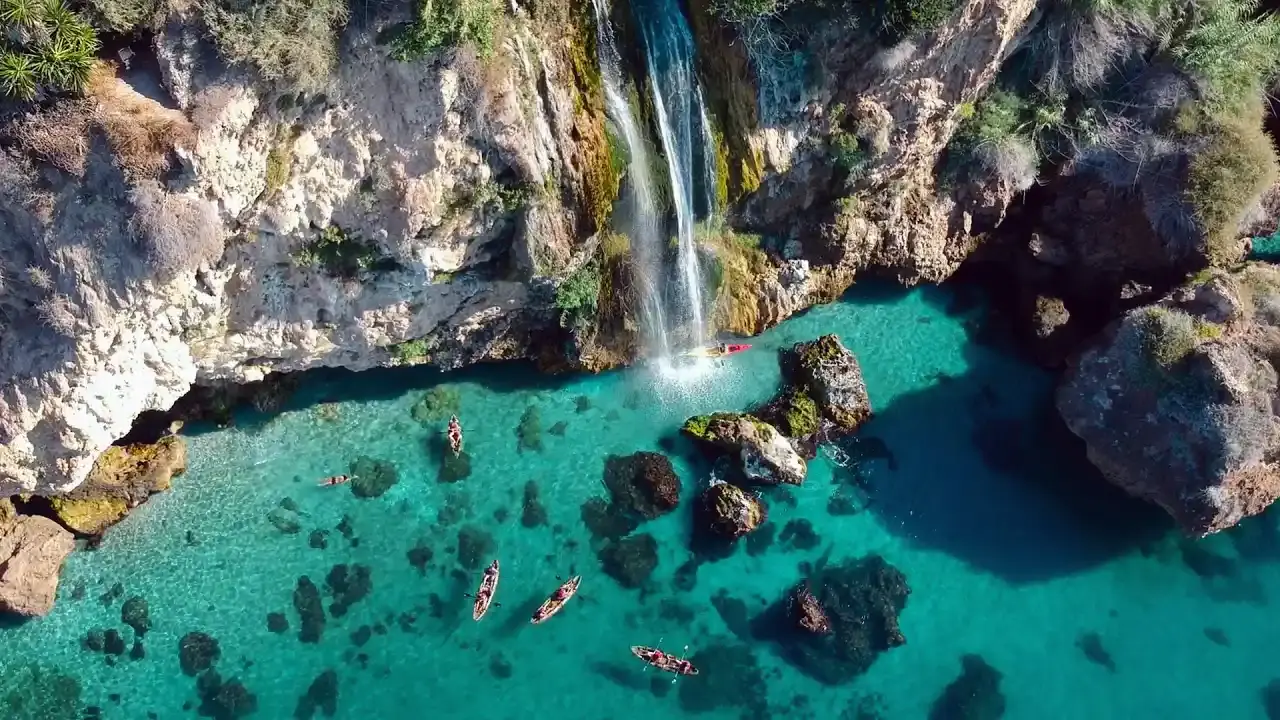
Paddleboarding (SUP)
Nearest: Playa de Burriana (0.5 km), Playa de Maro (2.3 km), Playa El Playazo (3.1 km)
View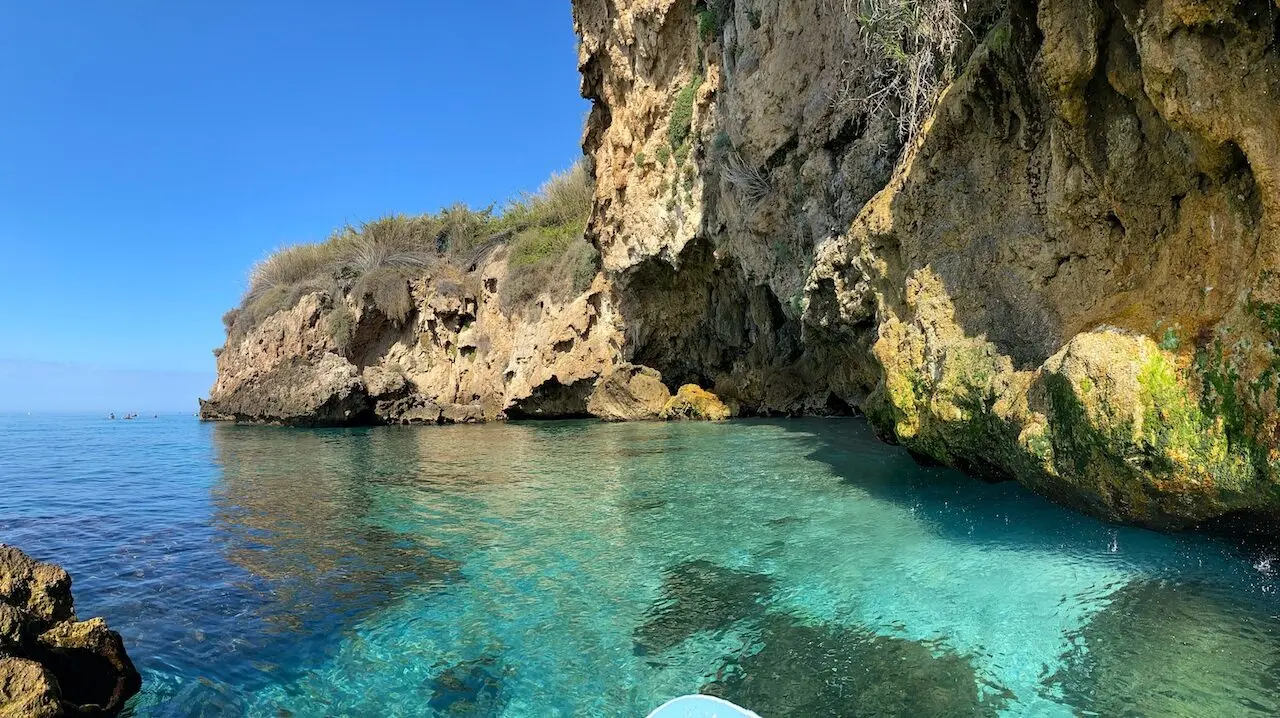
Snorkelling
Nearest: Playa de Burriana (0.5 km)
View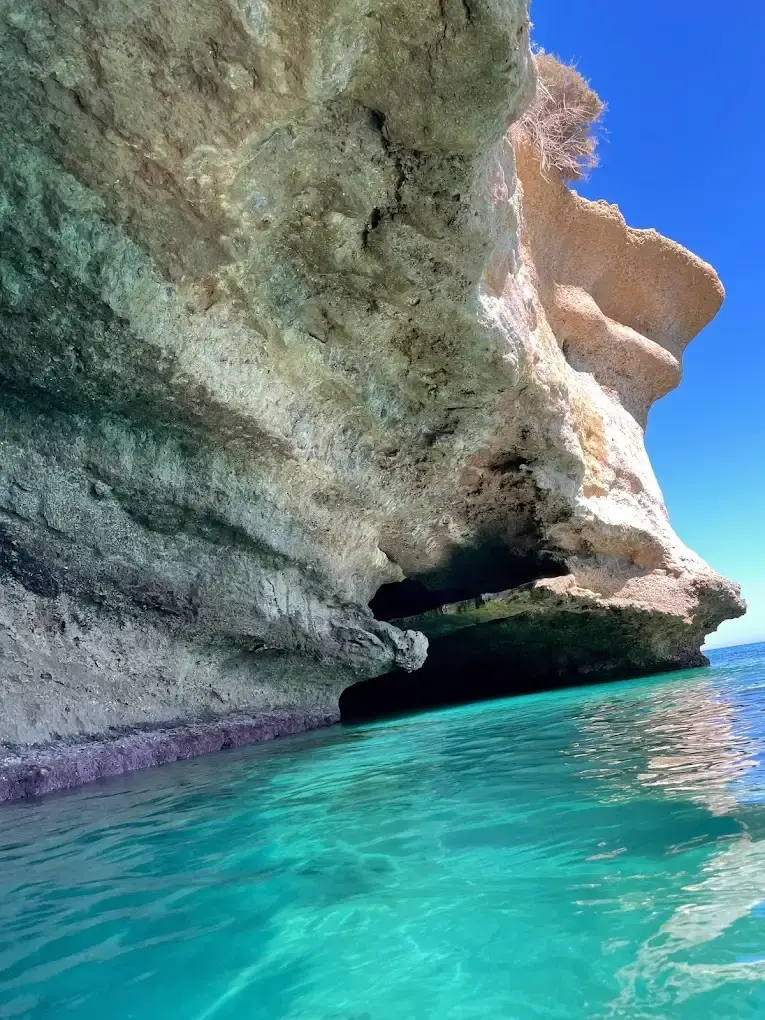
Jet skis
Nearest: Playa de Burriana (0.5 km)
View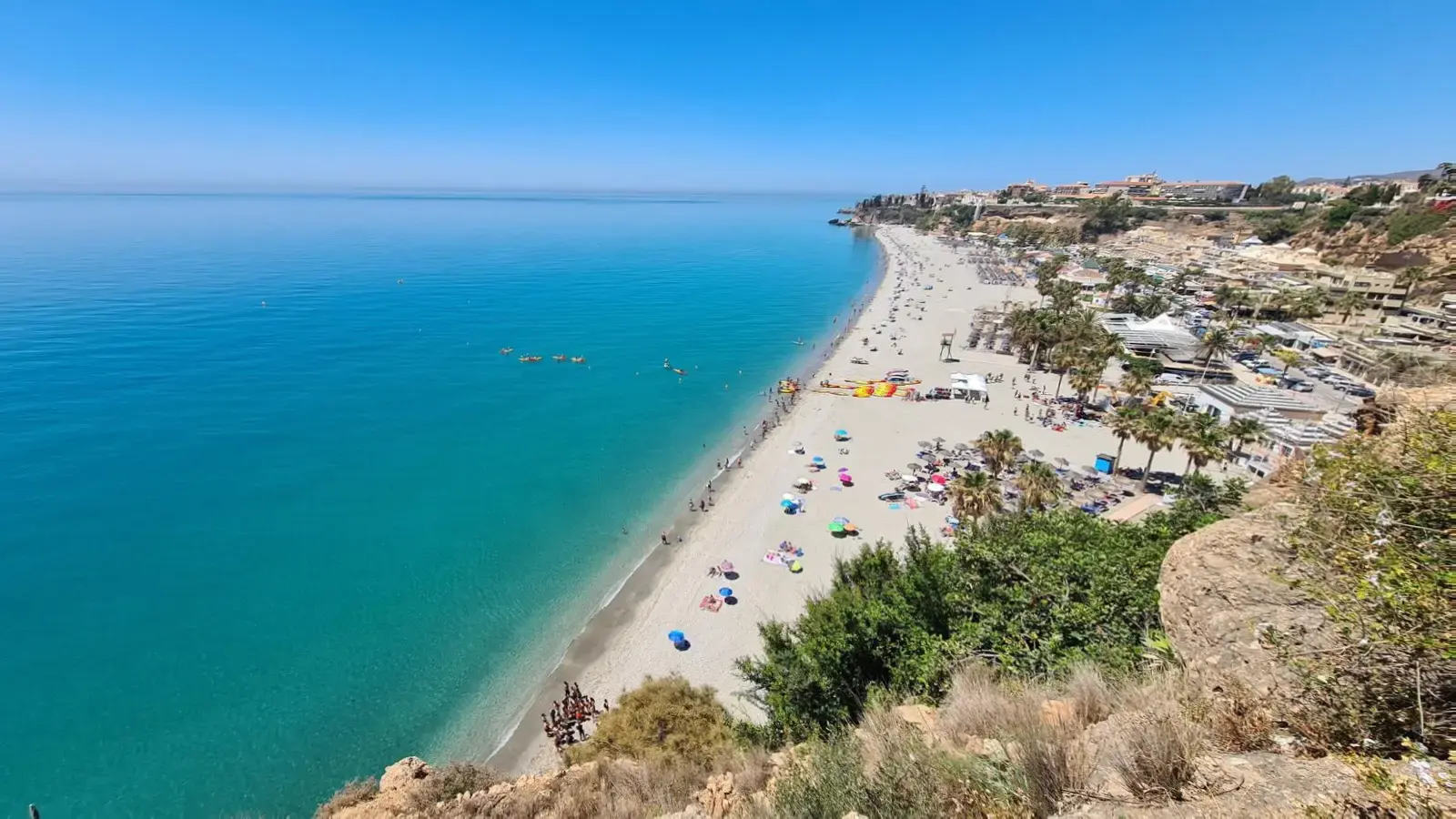
Parasailing
Nearest: Playa de Burriana (0.5 km)
View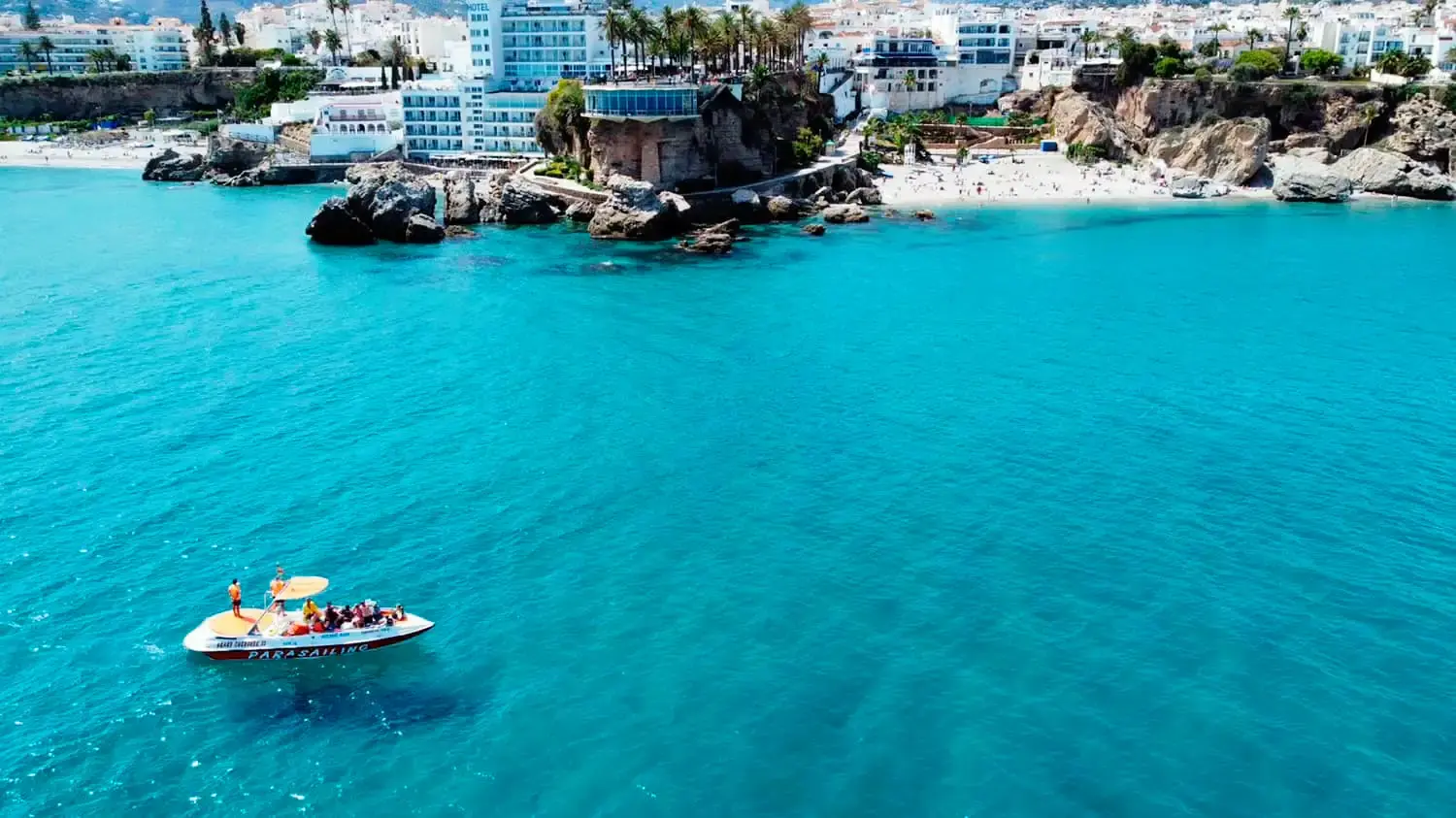
Boat trips
Nearest: Playa de Burriana (0.5 km)
ViewBest time to visit
The swimming season runs from June to October. The best months to enjoy the beach with good weather and fewer people are May, June, September and October.
Where to park
How to get to Piedra de Tarzán Cove
Plan your route here: enter your starting point and choose how you want to travel.
Already on your way? Open GPS navigation:
Frequently asked questions
Walk along the sand from the eastern end of Burriana Beach, the one nearest Maro: the cove is on the other side of the rocky spur, a few minutes away. When there are waves, do not cross the rocks. You can also get there by kayak or paddleboard from Burriana.
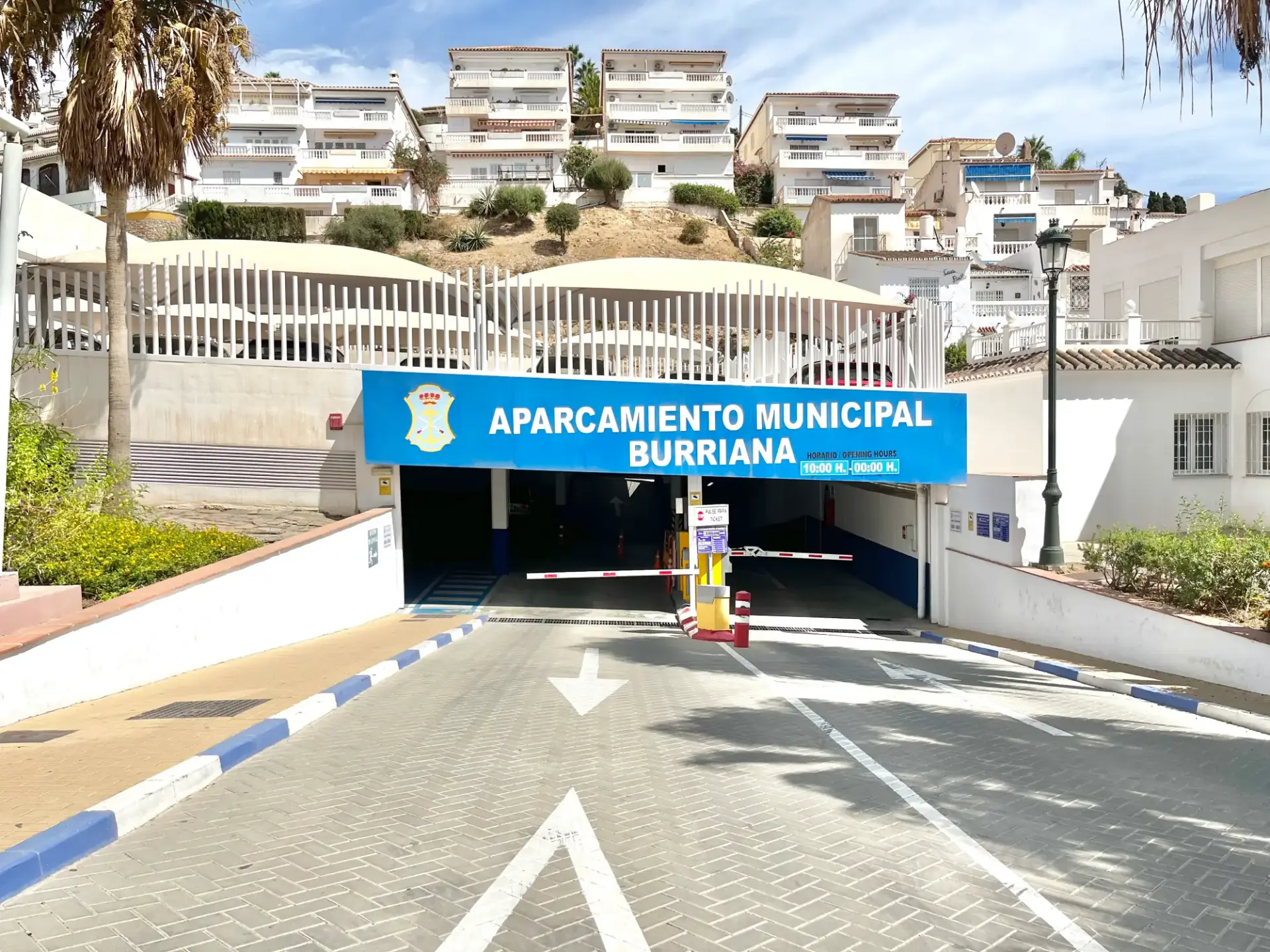
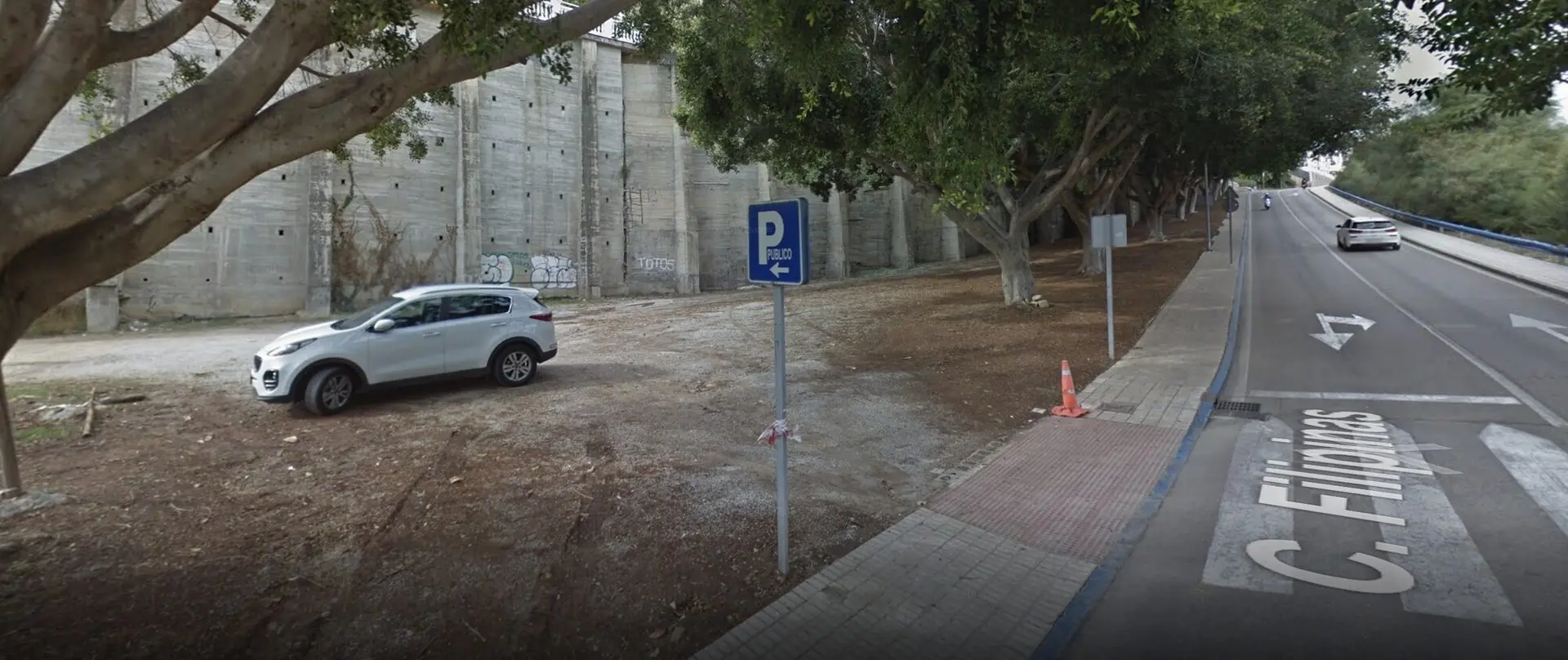
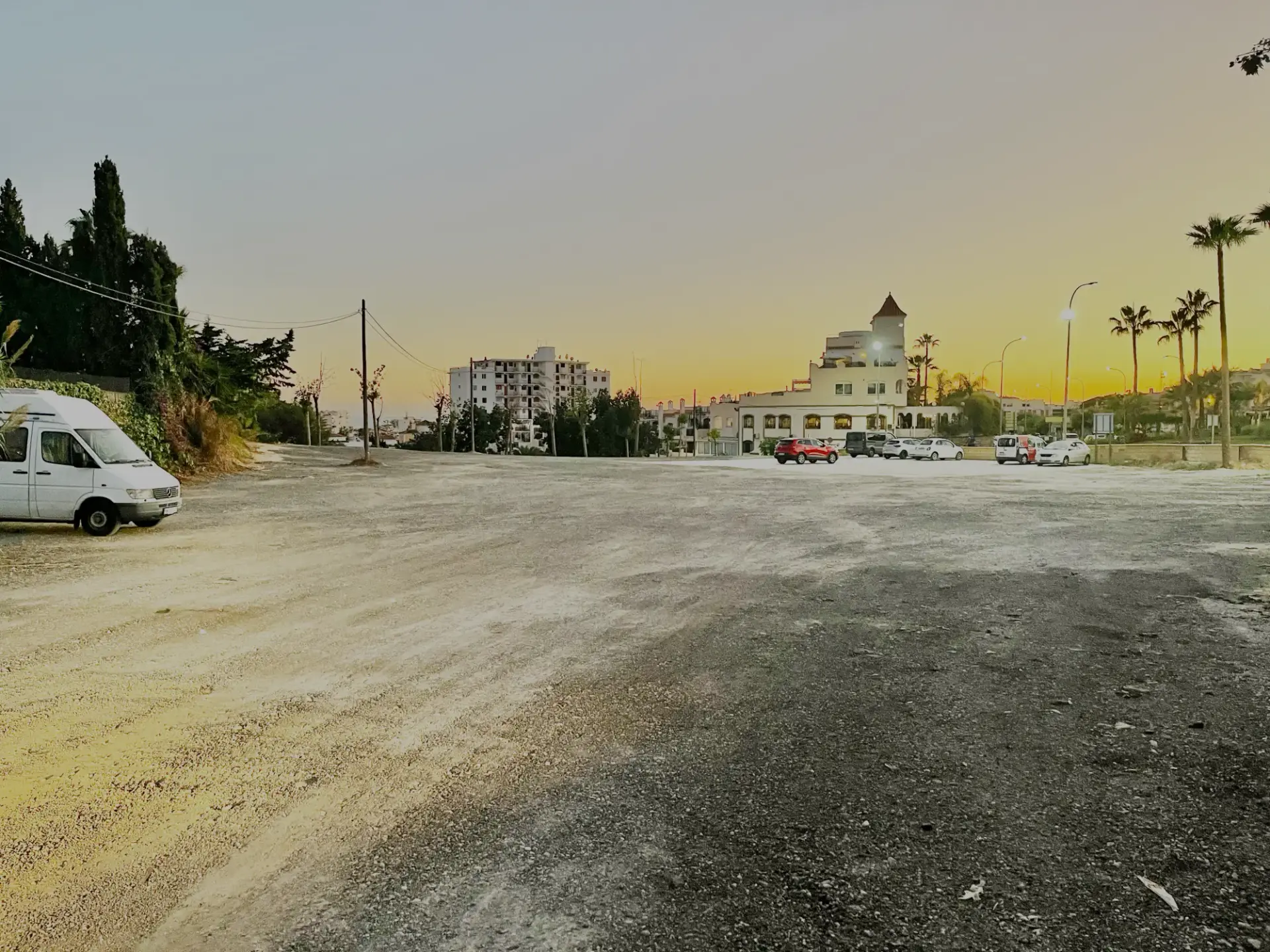
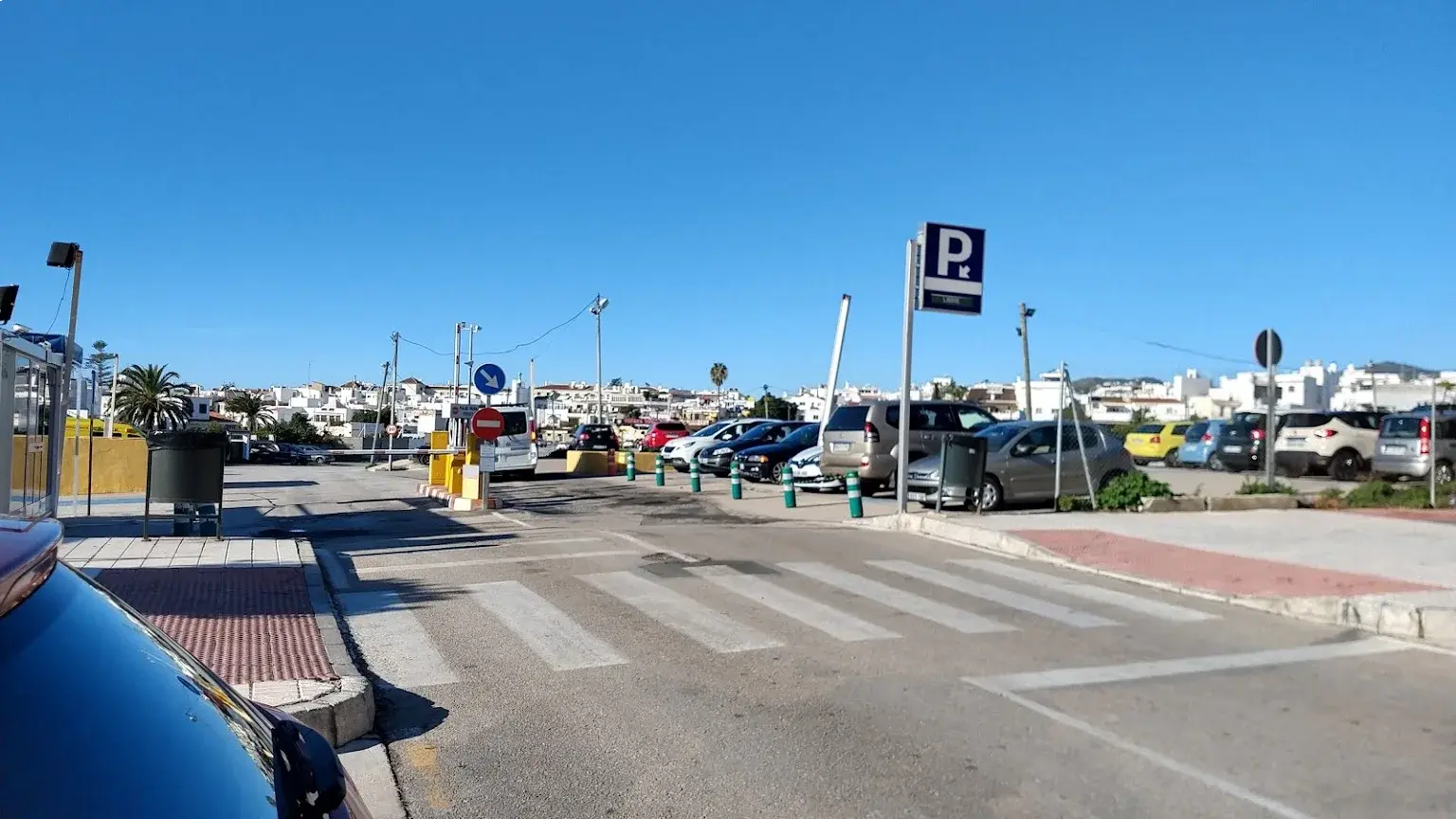
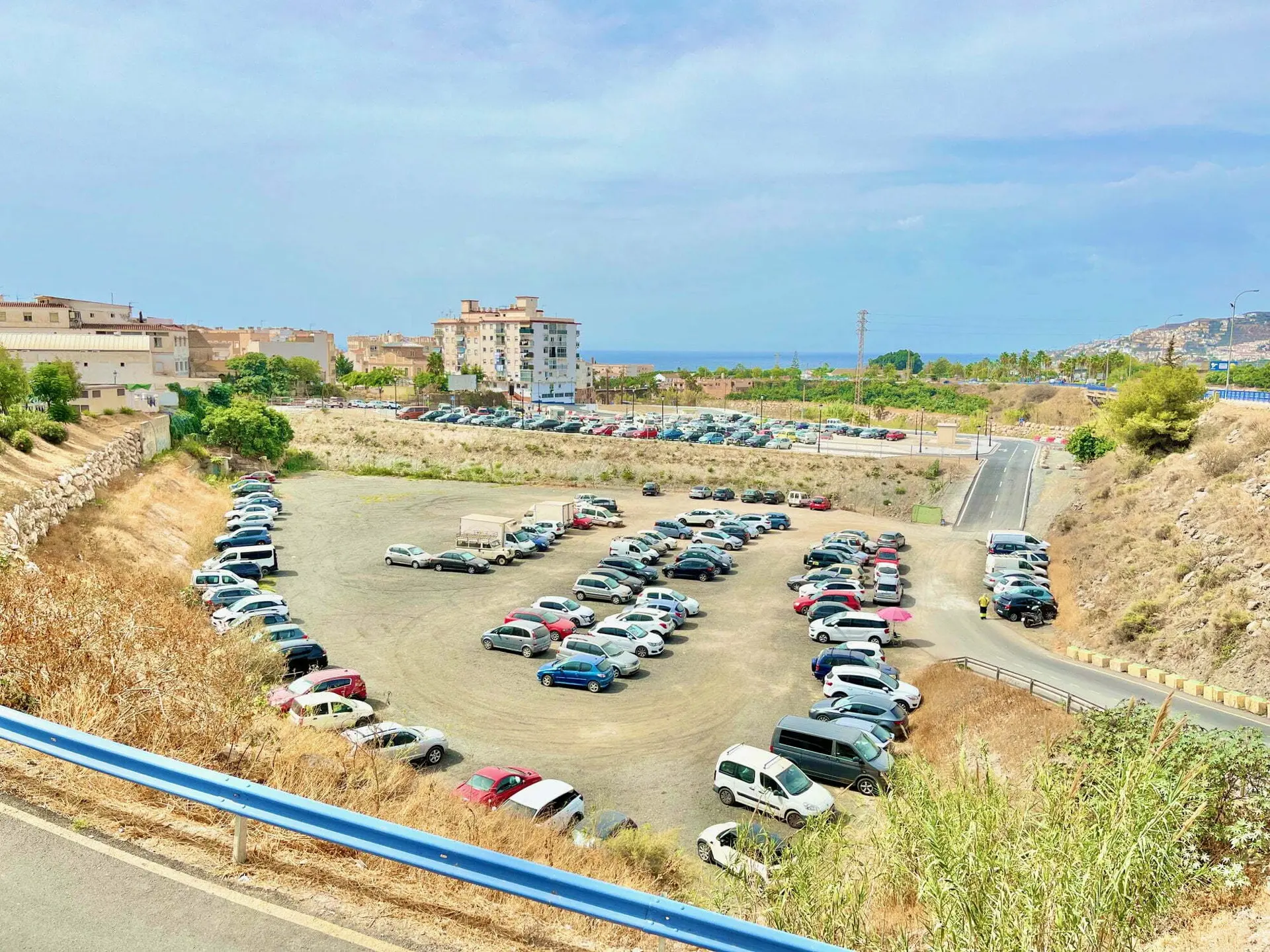
At the Burriana car parks: free at the roundabout car park or the one on the way down, or paid at the municipal car park by the beach. The lane leading down to the cove from above is private.
From the rock people jump from about 2 to 5 metres. Check the depth and that nobody is below, jump feet first and never head first, and do not do it when there are waves or if you have been drinking.
It can be if you are not careful: the rock is rough and sharp, and the seabed changes with storms. Wear water shoes, look at the water first and do not jump in rough seas. Do not swim into the cave next to the cove either.
There are none in the cove, but a few minutes away, on Burriana Beach, there are beach bars, showers, toilets and sunlounger hire.
Coarse sand and small pebbles, with sharp rocks at either end. Bring water shoes.
Not really: it is small, has no lifeguard and the atmosphere revolves around jumping off the rock. With small children it is better to stay on Burriana.
No: dogs are not allowed on Nerja's beaches during the bathing season.
What's nearby
Burriana Beach
Wheelchair access · Kayak hire · Toilets · Showers
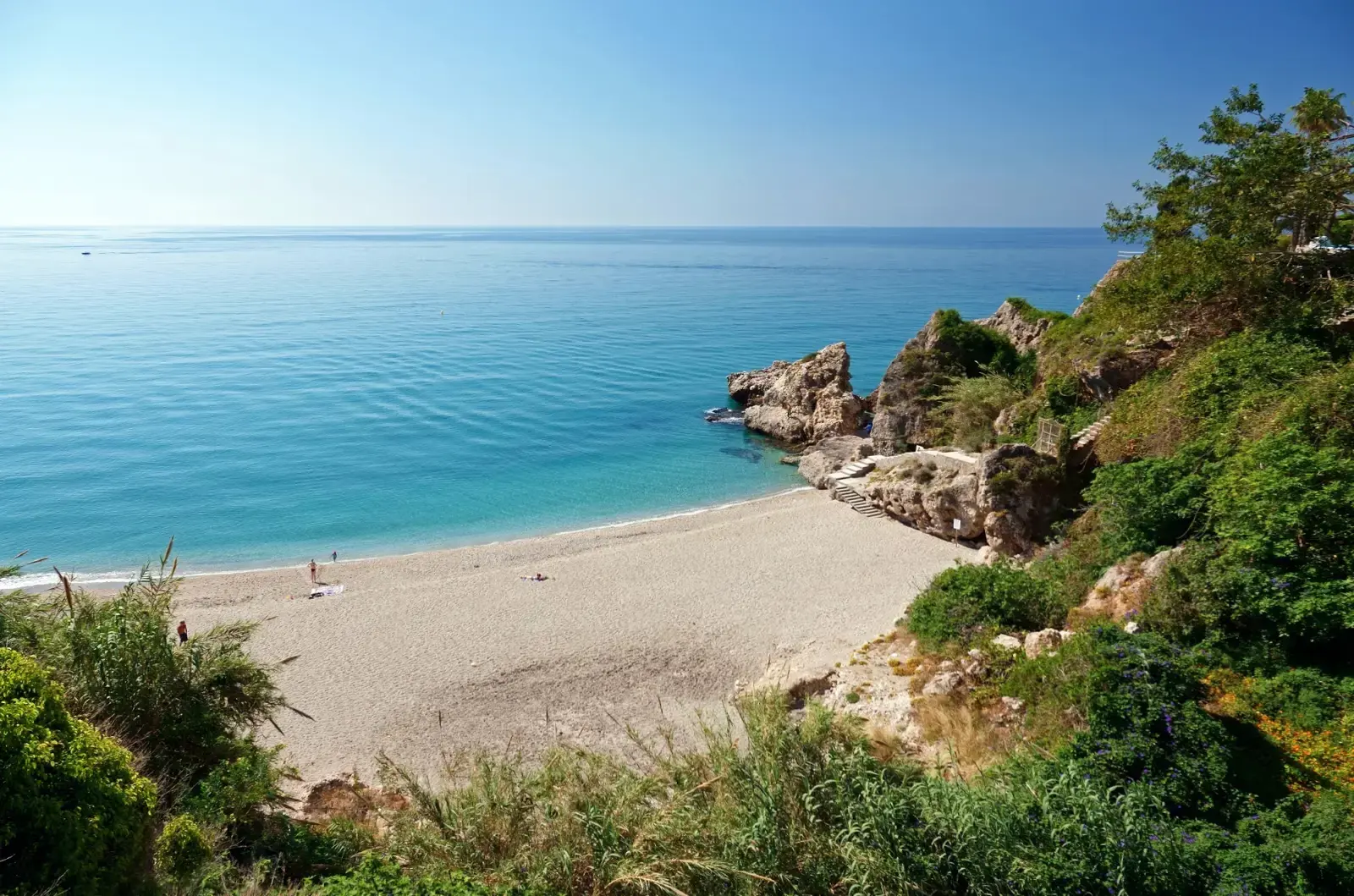
Carabeillo Beach
Showers · No pets · Litter bins · Parking
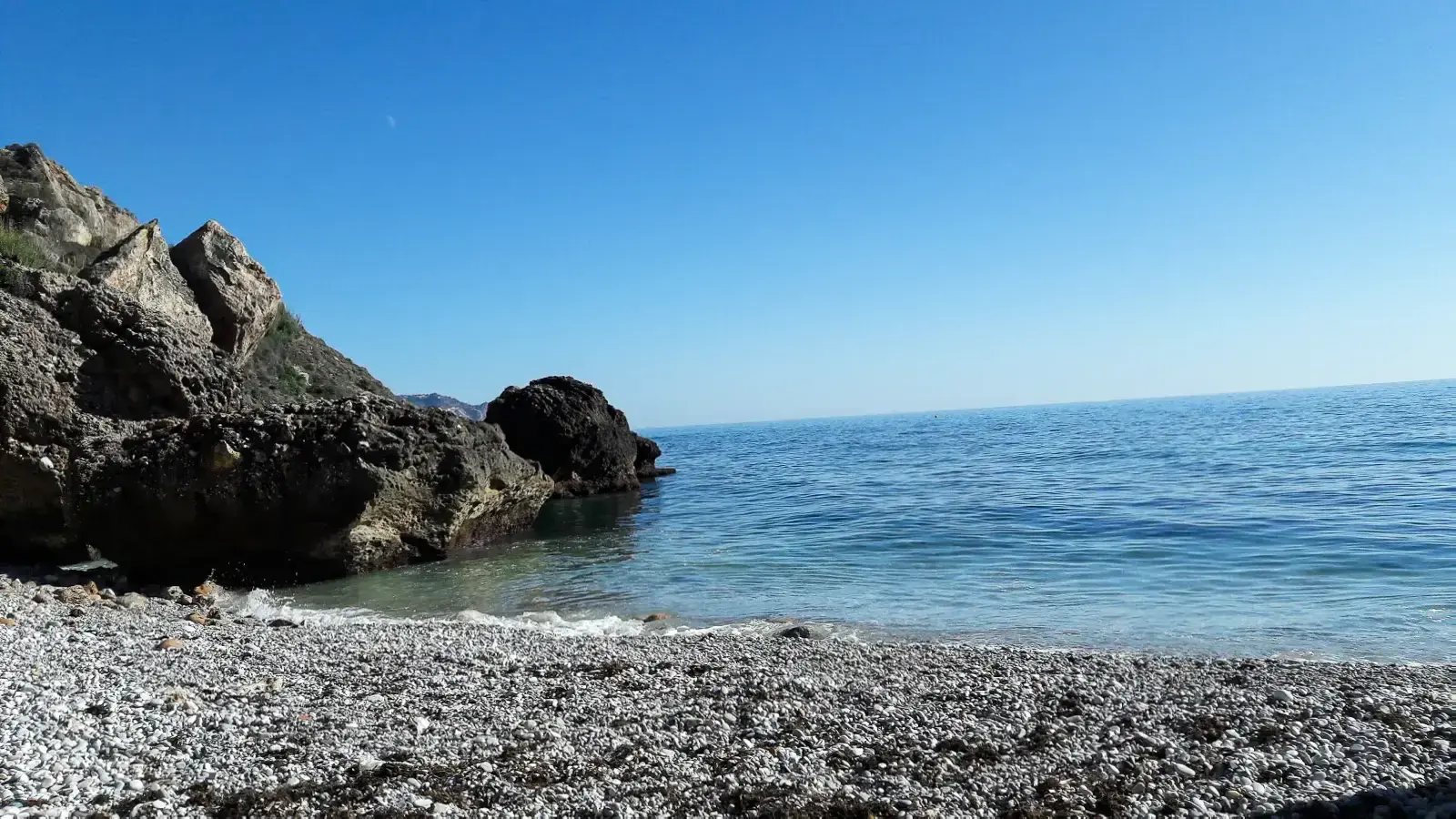
Barranco de Maro Cove
No pets · No camping · No facilities
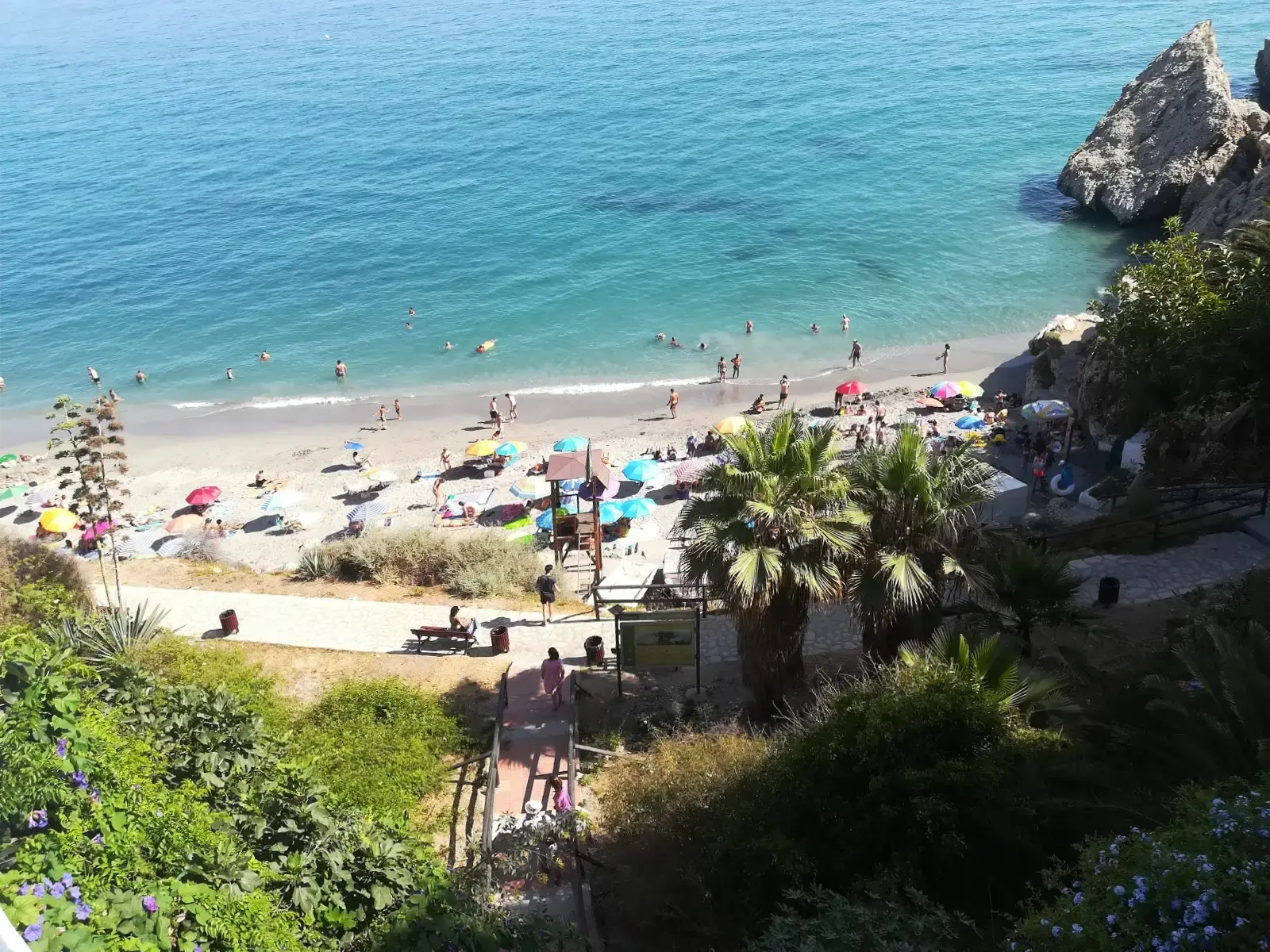
Carabeo Beach
Toilets · Showers · Kiosk · No pets
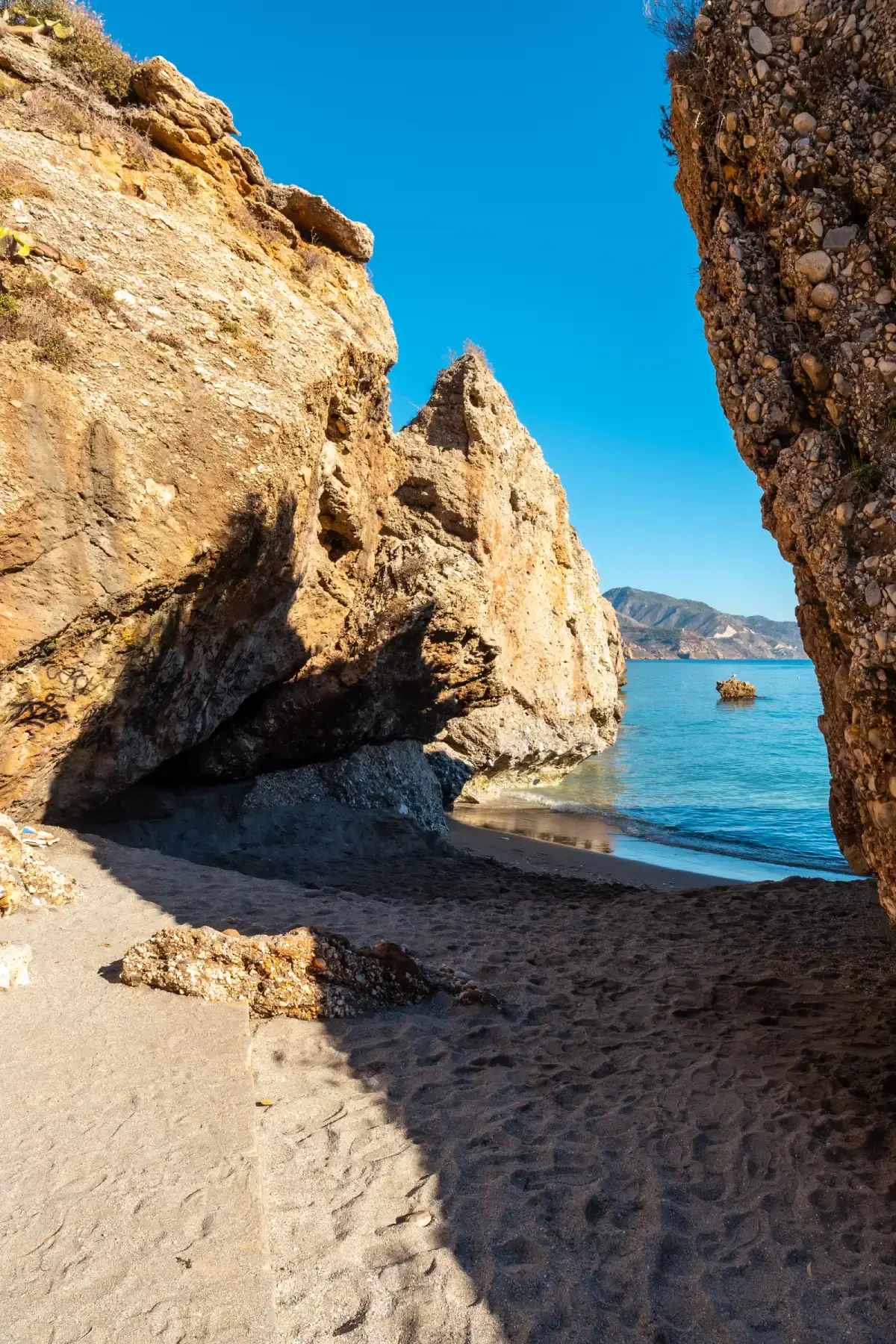
El Chorrillo Beach
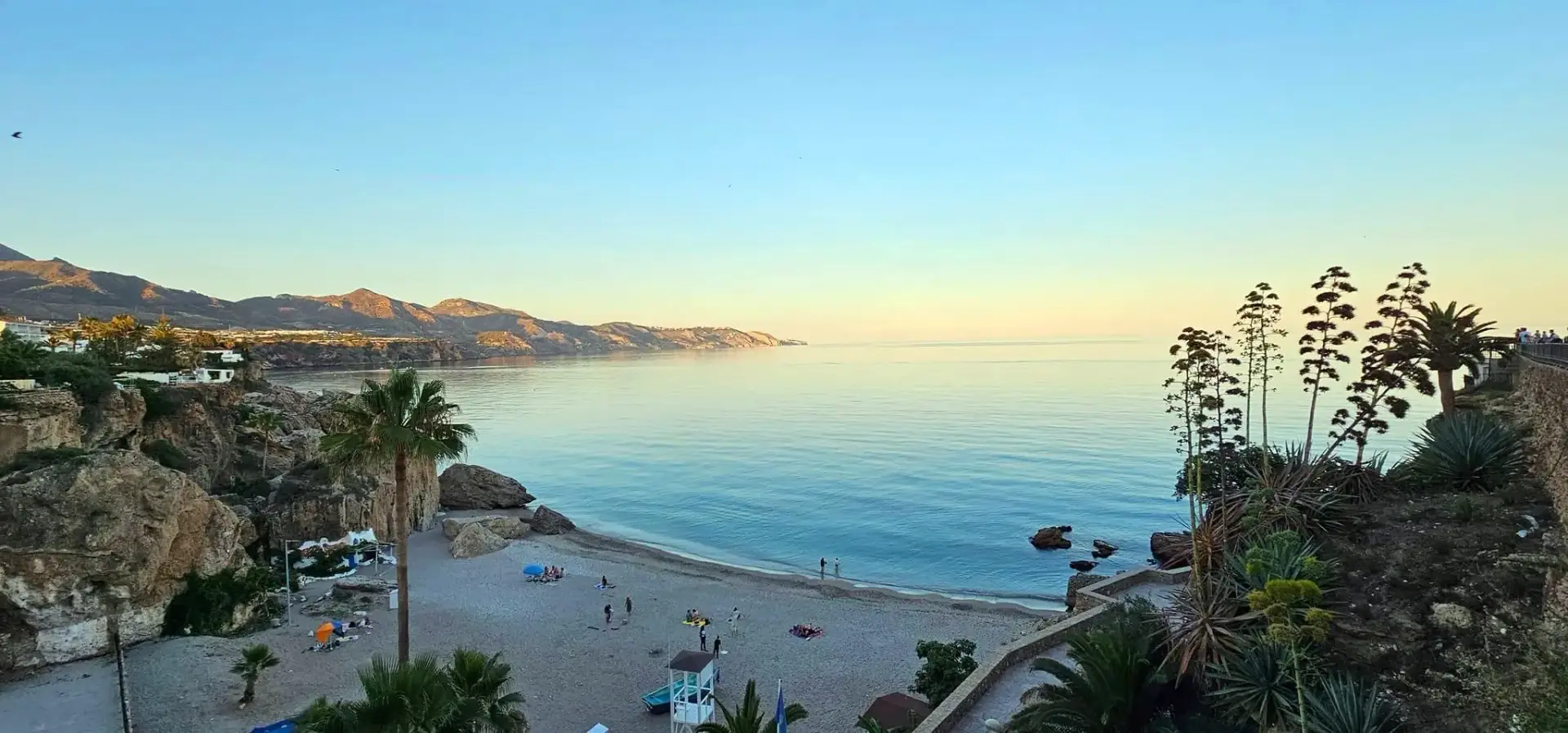
Calahonda Beach
Toilets · Showers · No pets · Litter bins
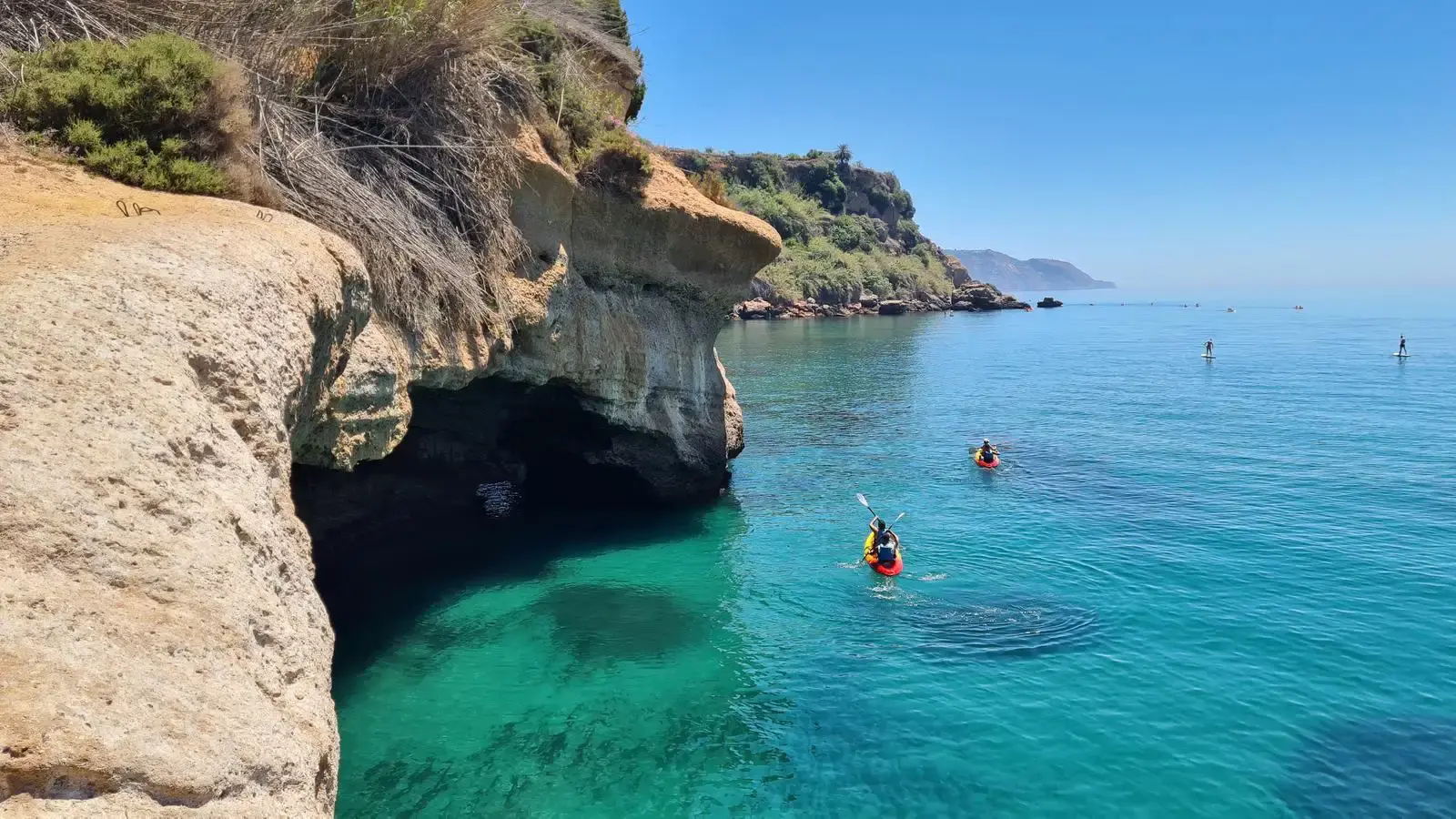















Keep exploring
Piedra de Tarzán Cove
Maro BeachesWhat visitors say
14 mentions in reviews