Eagle Aqueduct (Acueducto del Águila)
The Águila Aqueduct is one of the most impressive structures in Nerja. The Águila bridge was built in the 19th century with the intention of carrying water to the mills of the Fábrica de Maro. Located in the well-known Barranco de la Coladilla, on the outskir
The Eagle Aqueduct (Acueducto del Águila, known locally as the Puente del Águila) is a 19th-century structure about 40 metres high: four tiers of brick arches stacked one on top of another across the Barranco de la Coladilla, between Nerja and Maro. It was built by the Nerja master builder Francisco Cantarero Martín to carry water to the mills of the San Joaquín sugar factory in Maro.
Located in the Barranco de la Coladilla, on the outskirts of the town centre, it stands out for its elegant structure of four superimposed levels of brick arches (36 according to Nerja’s official tourism website; other sources count 38). Its entrance pavilions and the inscription «Pura y Limpia Concepción» engraved on the central body give it an artistic value that goes far beyond its original function, blending harmoniously into the landscape of the Axarquía.
Why it is called the Eagle Aqueduct
It is crowned by a pinnacle with a weather vane shaped like a double-headed eagle, which gives the aqueduct its name. The central section bears the inscription “Pura y Limpia Concepción”.
History
The San Joaquín sugar and alcohol company, owner of the factory, sold it to the Larios sugar company in 1930, and Larios handed it over to Nerja Town Council in 2005. It was restored between 2010 and 2012. Read more about the factory it supplied on the Maro sugar mill page.
How to see it
It is about 3 km east of Nerja town centre, by the N-340 road towards Maro, and you can see it from outside for free at any time. It is a natural stop on the way to the Nerja Caves or Maro village. You cannot walk across the top.
Video
1 videoEagle Aqueduct (Acueducto del Águila) — video 1
History
- 1864It was built by Francisco Cantarero Martín, master builder of Nerja town council, as an inscription next to the channel records. The exact year is not known, but it already appears on a plan dated 1864, so it was built around 1860, shortly after the Maro estate changed hands (1858-1859).
- 1879From 1879 the aqueduct also supplied the mills of the San Joaquín sugar factory, which is why some sources date it to 1879-1880.
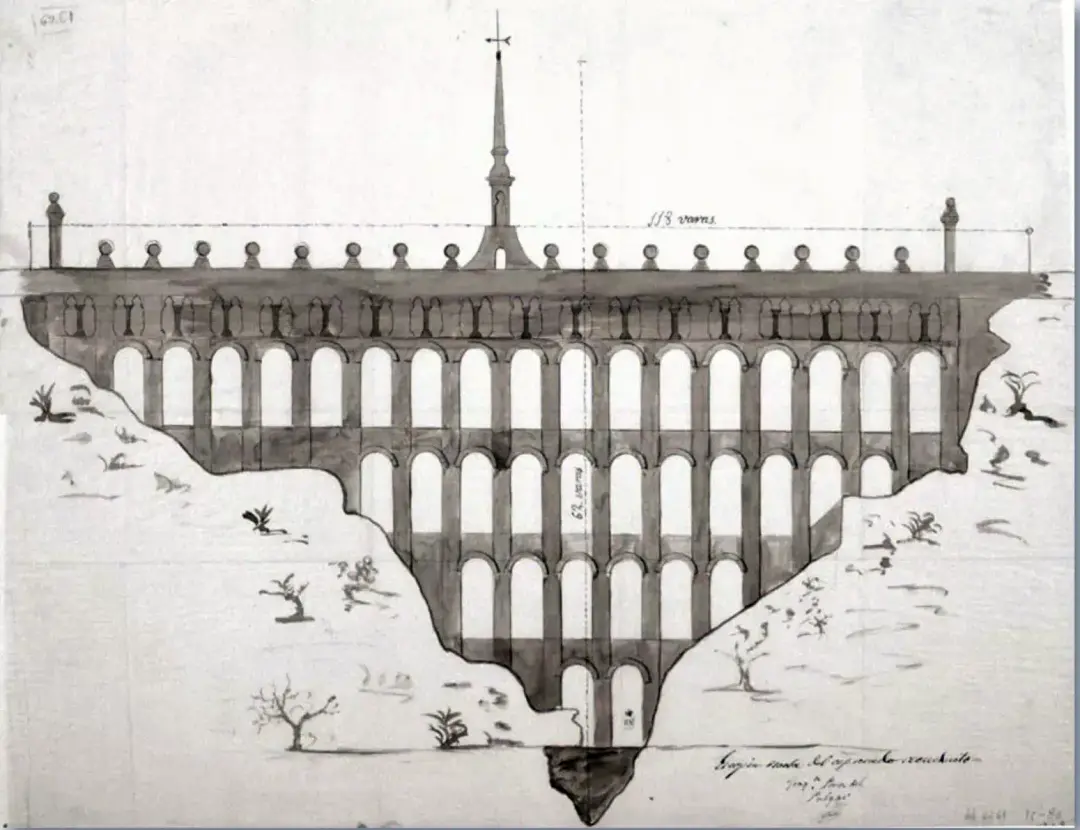
The Eagle Aqueduct in Maro - It has four tiers of round brick arches (36 in all) with Mudéjar-inspired decoration, and is crowned by a pinnacle with a double-headed eagle weather vane, which gives it its name. Two channels run along the top and still carry irrigation water.
- 1930In 1930 the Larios family bought the Maro estate and the aqueduct passed to their company, Sociedad Azucarera Larios (SALSA), which handed it over to Nerja town council in February 2005.
- 2011It was damaged by shelling from the sea during the Spanish Civil War. The 2011 restoration repaired the structure and brought back its original colours: red ochre on the brick, lime white on the joints and the decorative balls on the parapet.
More than a century and a half later, the Eagle Aqueduct still carries water to irrigate the crops of Maro and is one of Nerja's best-known landmarks.
How to get to Eagle Aqueduct (Acueducto del Águila)
Plan your route here: enter your starting point and choose how you want to travel.
Already on your way? Open GPS navigation:
Review profile
Summary of the 1,003 most recent Google and Tripadvisor reviews (March 2017 – September 2026). These are visitors' opinions, analysed by EsNerja.
According to 1,003 recent reviews on Google (700) and Tripadvisor (303): most mentioned: impressive, well-preserved structure · good spot for photos · short stop, visible from the road · water still flows through it.
Google vs Tripadvisor
Google 4.2 · Tripadvisor 3.8
Google rates it 0.4 higher than Tripadvisor.
By review language
Spanish 4.2 (373) · English 3.9 (142)
Language hints at who is reviewing (locals and Spanish visitors, or foreign visitors).
Last 12 months
4.3 (159) vs 4.1 (218) the year before
The rating is rising.
Months with the best average rating
January, March, November
Based on review dates; not a forecast.
Frequently asked questions
No, this aqueduct was built with the intention of carrying water to the mills of the Sugar Factory.
The exact year is not known. It was built by the Nerja master builder Francisco Cantarero Martín in the mid-19th century: it already appears on a plan dated 1864. From 1879 it also supplied the San Joaquín sugar factory, which is why some sources date it to 1879-1880.
Puente del Águila is approximately 40 metres high, made up of four levels of superimposed arches.
Because of the double-headed eagle weather vane on top of its central pinnacle.
About 3 km east of Nerja town centre, in the Barranco de la Coladilla, by the N-340 road towards Maro.
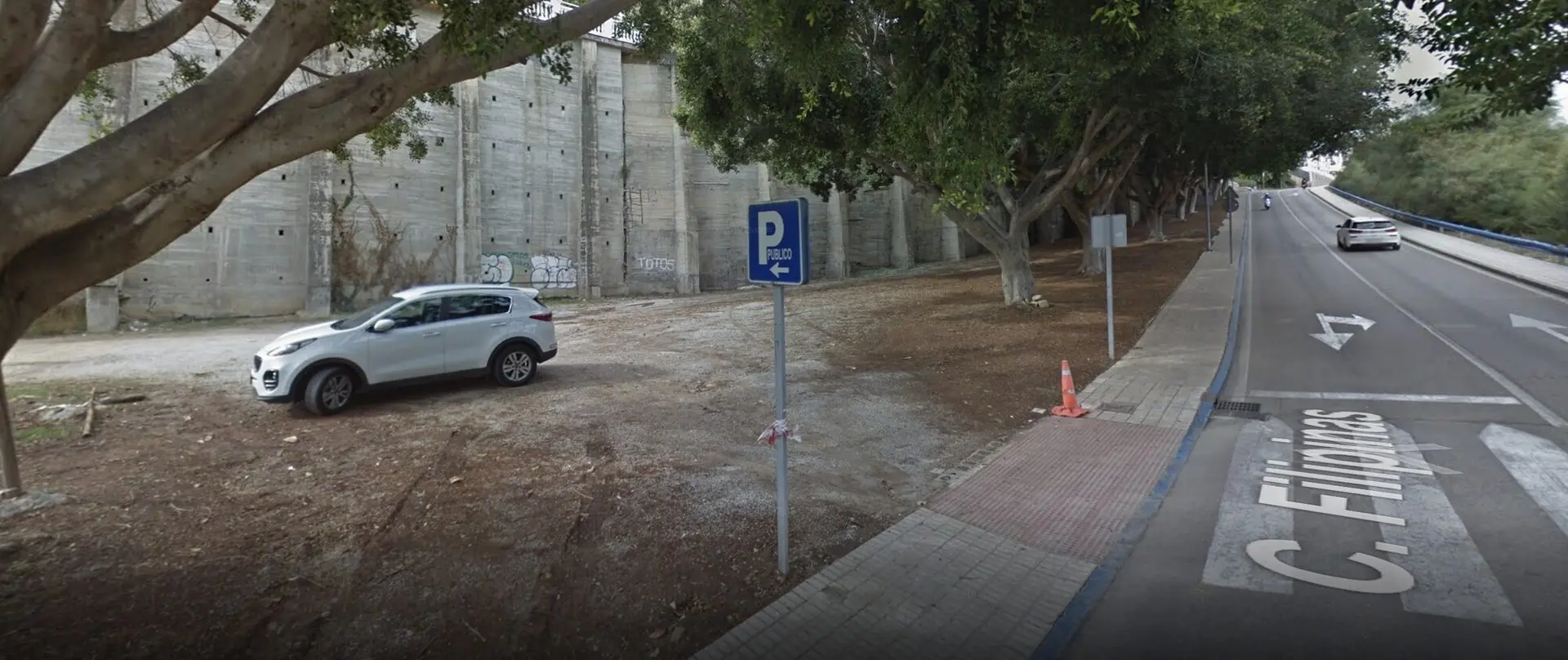
Eagle Aqueduct (Acueducto del Águila) has a 4.2 out of 5 rating on Google from 1,571 reviews. Striking, well-preserved 19th-century brick aqueduct on the edge of Nerja. Worth a short stop for photos, but access is awkward, with very limited parking and a rather dirty gravel track.
What people like most:
- Impressive, well-preserved structure
- Good spot for photos
- Short stop, visible from the road
- Water still flows through it
What's nearby
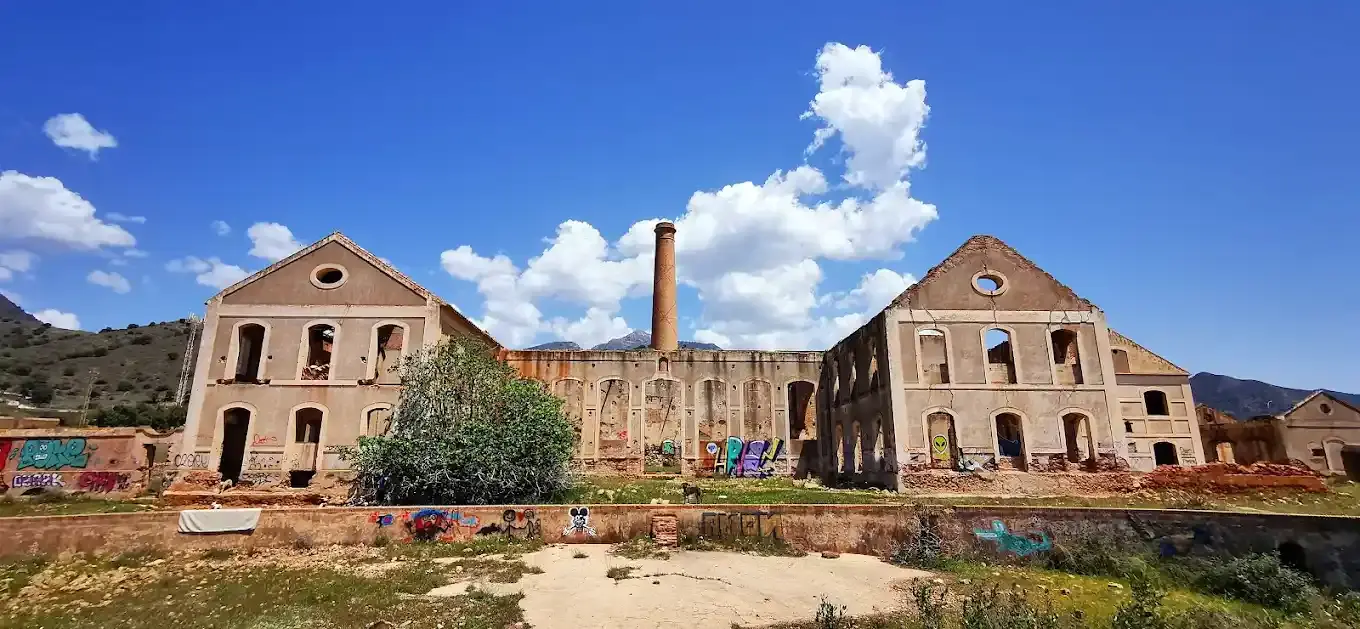
Maro Sugar Factory
Places to Visit
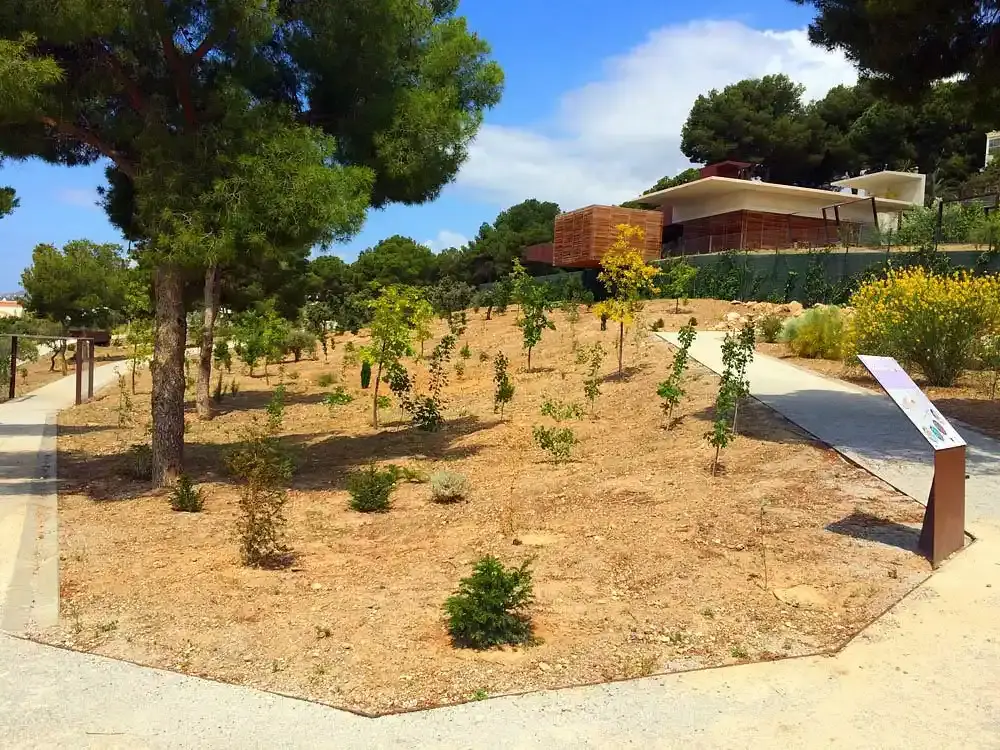
Detunda Botanical Garden
Places to Visit
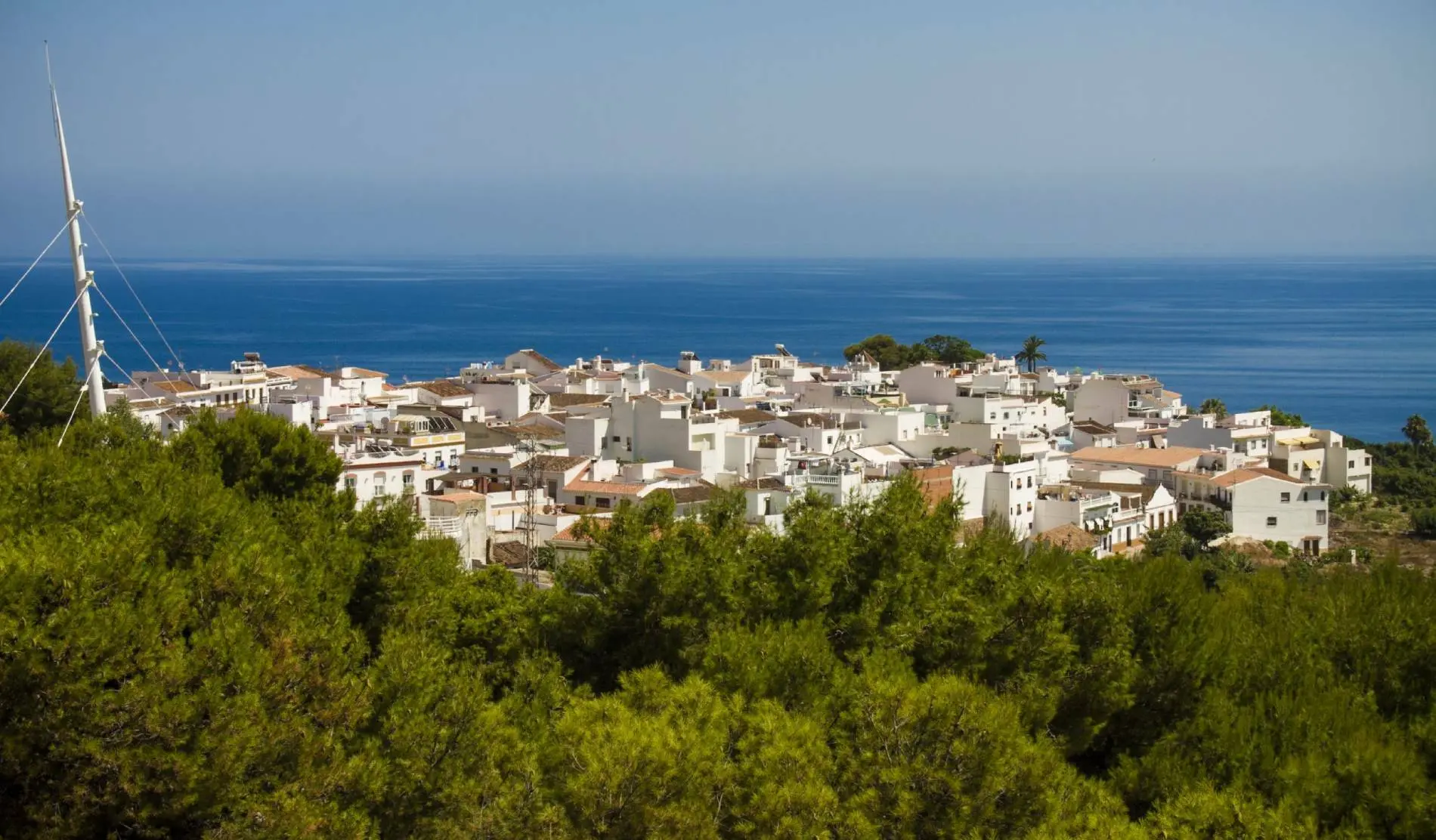
Maro
Places to Visit
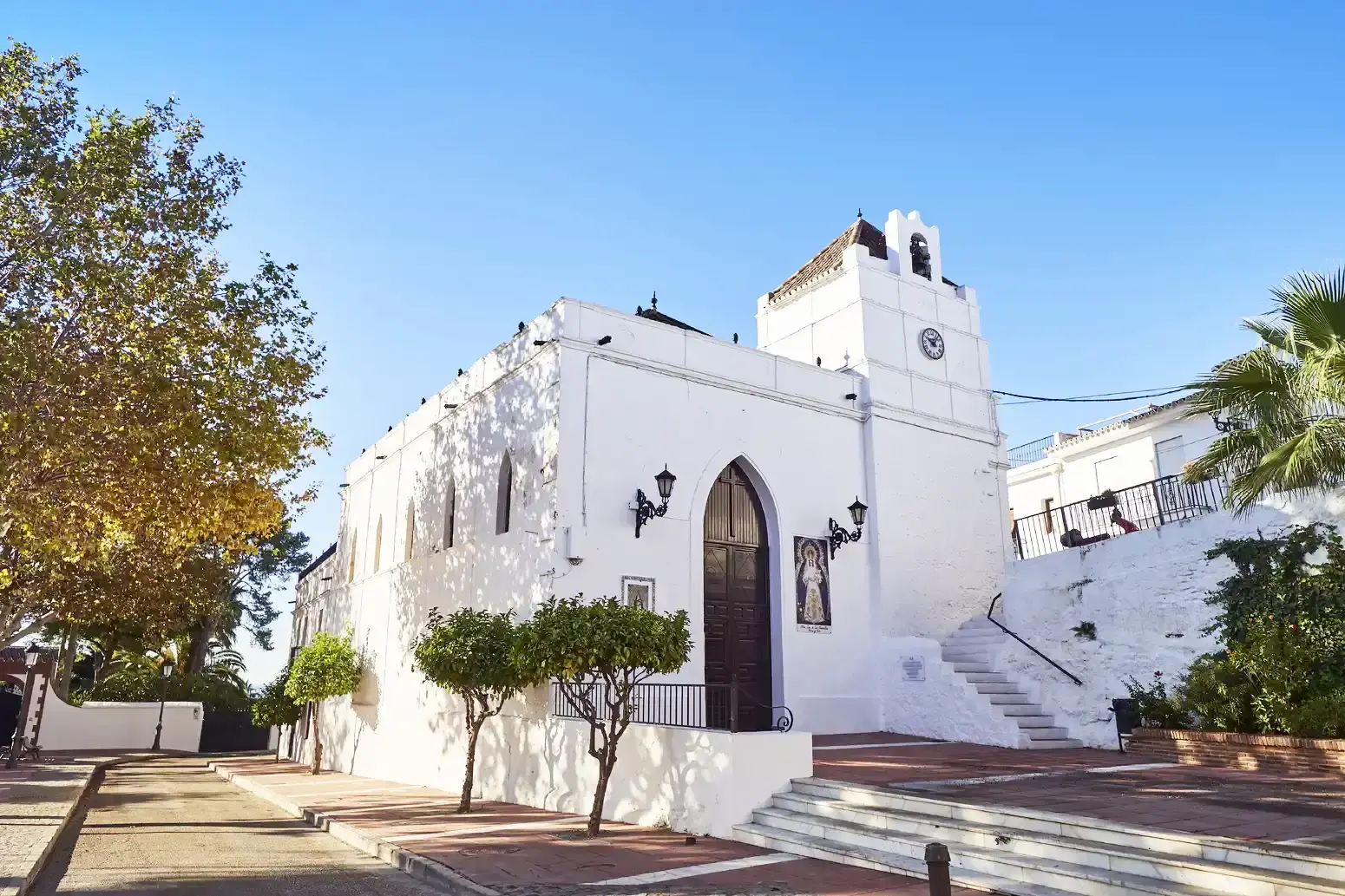
Iglesia Ntra. Sra. de las Maravillas (Maro)
Churches and chapels
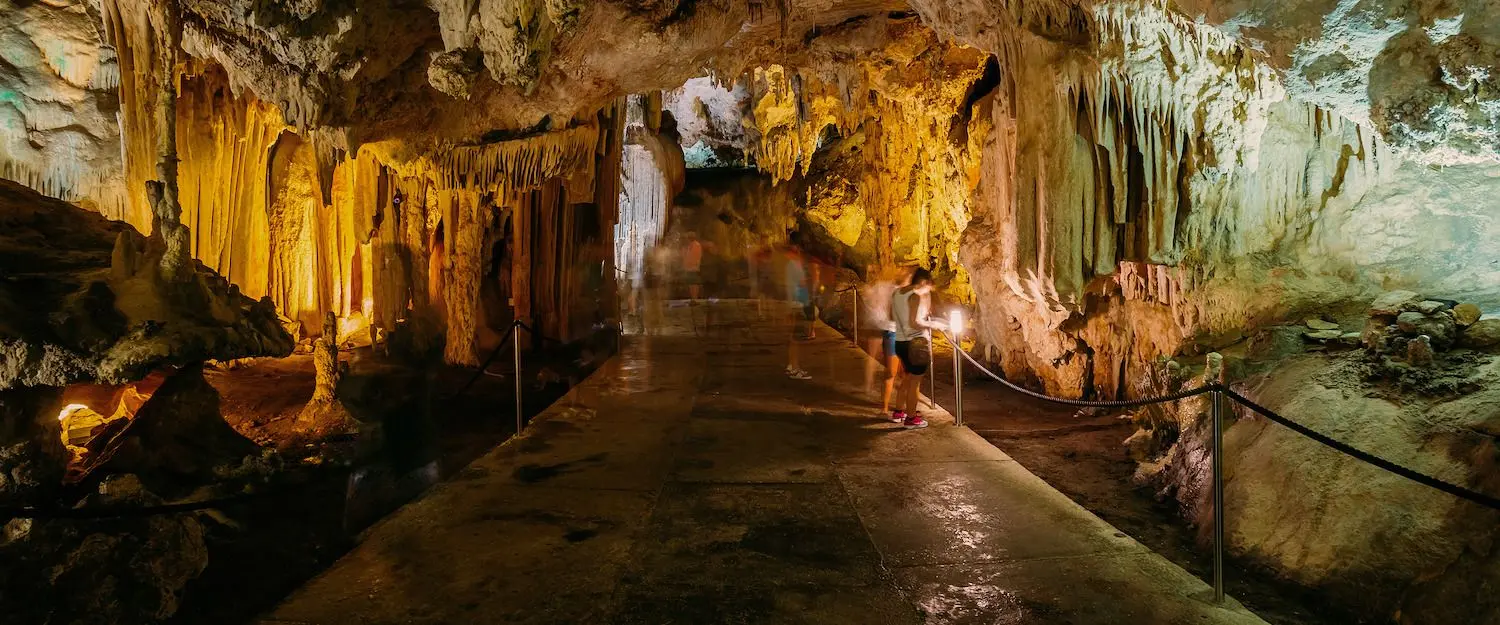
Nerja Caves
Places to Visit
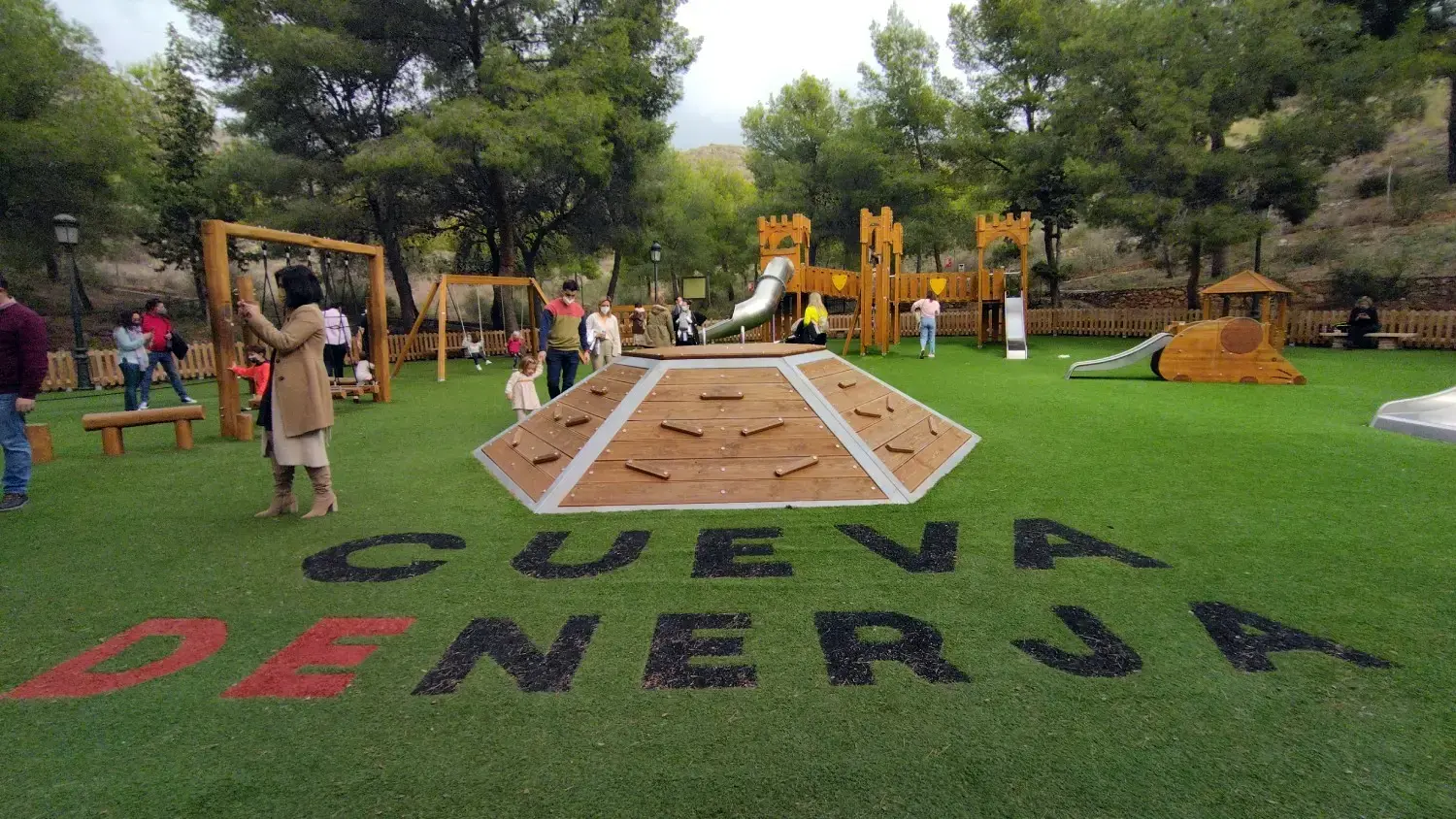
Cueva de Nerja Children's Playground
Children's playgrounds




Keep exploring
Eagle Aqueduct (Acueducto del Águila)
Places to Visit