Maro Waterfall
A 15-20 m waterfall that drops into the sea from the Maro cliffs near Nerja. Visit it by kayak or paddleboard from Maro or Burriana beach.
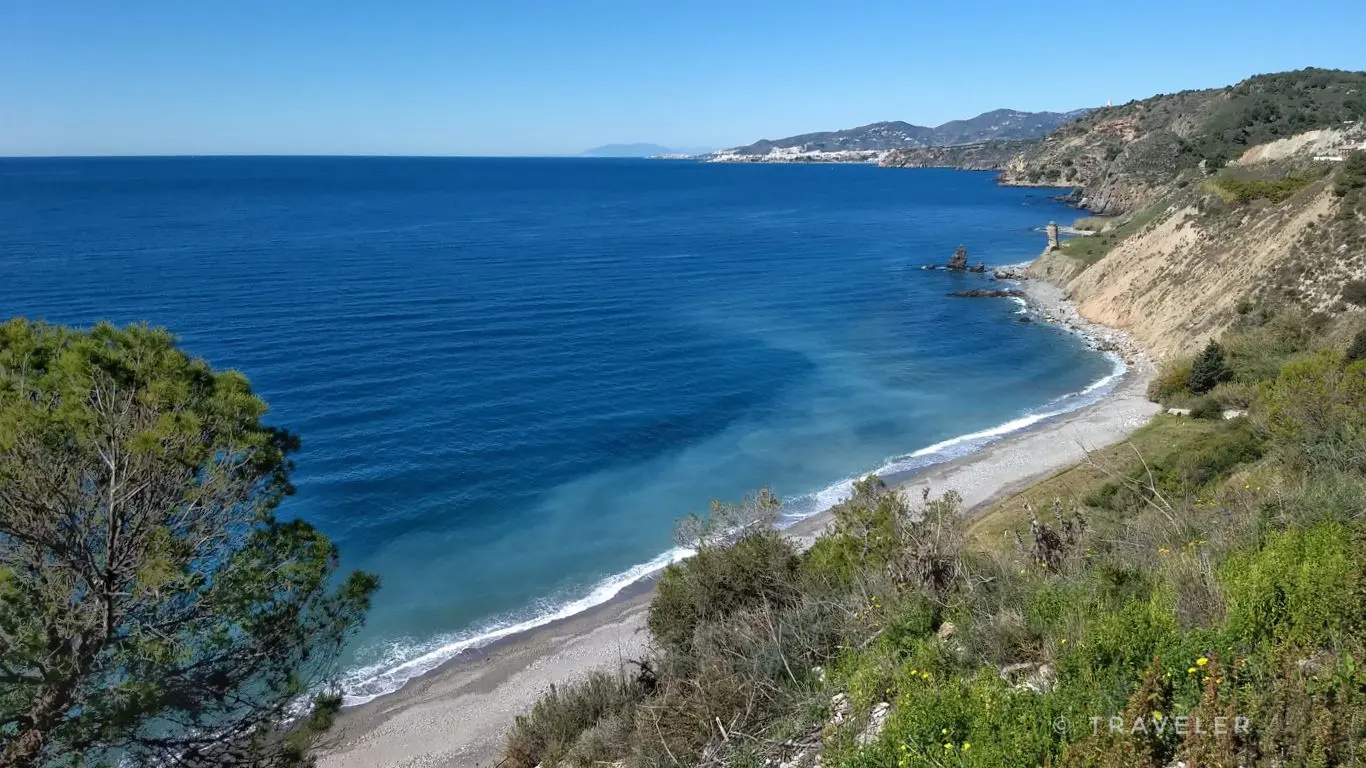
The Maro Waterfall (Cascada de Maro, also called Cascada Grande de Maro) is a 15-20 metre waterfall that drops straight into the sea from the Maro cliffs in Nerja. It is about 500 metres west of Maro beach, inside the Maro-Cerro Gordo Cliffs Natural Area and just over 1 km from the Nerja Caves. It is rated 4.2 on Google from more than 500 reviews.
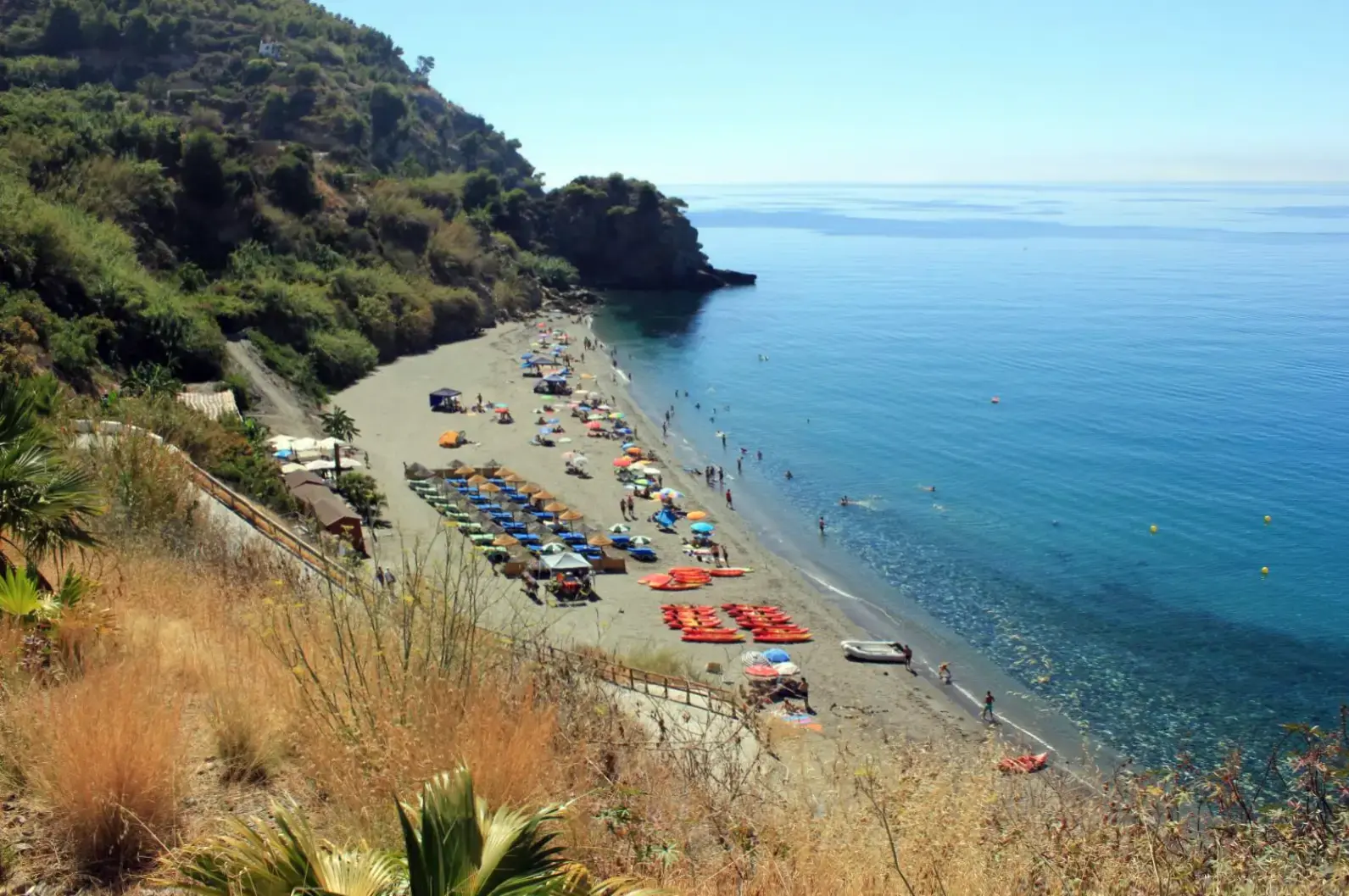
You really see it from the sea. There is no path to it: the way to get there is by kayak or paddleboard, from Maro beach (about 500 metres, 10-15 minutes' paddling) or from Burriana beach (about 2.5 km each way). Most guided kayak tours leave from Burriana, last 2-3 hours and also stop at coves and sea caves along the cliffs. Boat trips along the coast see it from further out.
When it has most water. The flow depends on rainfall: in winter and spring, especially after a wet year, it pours down; by late summer it is often a trickle, and in dry years it almost disappears. For kayaking, choose a calm day and go early in the morning, when there are fewer people and less wind.
Mind the cliff. On 27 July 2025 a section of about 30 metres of the cliff between Maro beach and the waterfall collapsed, without injuries. Don't stay under the cliff walls and don't try to reach it over the rocks from the beach.
Before you go
A few tips for visiting the waterfall safely and without damaging it.
Check the sea before you go
With wind or swell, the stretch under the cliffs gets tricky. Pick a calm day and go early: the wind usually picks up in the afternoon and there are more kayaks.
Keep away from the cliff
Since the 2025 collapse, keep your distance from the walls, don't climb, and don't stay under the waterfall if stones or earth start to fall.
Water shoes and water
The rocks and travertine are slippery. Bring water shoes, drinking water, a hat and sunscreen: there is no shade and no facilities at the waterfall.
It is a Natural Area
Don't step on or break off the travertine or the plants growing on it, take your rubbish with you and don't land in cordoned-off areas.
The best photo
From the water, head-on, with the morning sun on the cliff. In spring, when the flow is strongest, it looks its best.
🎯 Book now
Book now, pay nothing today, free cancellation.
Video
5 videosMaro Waterfall — video 1
How the waterfall formed
- A waterfall that builds itself. The spring water carries a lot of dissolved lime and deposits it as it falls: over the centuries it has built a platform of travertine (a porous rock) jutting out over the sea, which the waterfall now pours down. That is why it is fragile and you shouldn't walk or climb on it. There are also underwater freshwater springs, detected by divers in the nearby Cueva de las Palomas.
- 1989The Maro and Cerro Gordo cliffs, including the waterfall, were protected as a Natural Area (Paraje Natural) in 1989. The Málaga Provincial Council lists the waterfall among the province's "Rincones Singulares" (unique spots).
- 2025On 27 July 2025, in the late afternoon, a section of about 30 metres of the cliff between Maro beach and the waterfall collapsed in a big cloud of dust. Nobody was hurt; Civil Protection and the local police cordoned off the area. These cliffs are made of marl and limestone, rocks that erosion steadily wears away.
Where to park
How to get to Maro Waterfall
Plan your route here: enter your starting point and choose how you want to travel.
Already on your way? Open GPS navigation:
Review profile
Summary of the 504 most recent Google reviews (July 2021 – August 2026). These are visitors' opinions, analysed by EsNerja.
According to 504 recent reviews on Google (504): most mentioned: beautiful scenery and waterfall · clear water and fish · good for kayaking and paddle surf · can swim under the waterfall.
Last 12 months
4.5 (116) vs 4.4 (188) the year before
The rating is steady.
Months with the best average rating
June, August, November
Based on review dates; not a forecast.
Frequently asked questions
By sea, by kayak or paddleboard. The shortest trip starts from Maro beach (about 500 metres, 10-15 minutes' paddling); guided tours mostly leave from Burriana beach, about 2.5 km away.
There is no path. Some people swim or scramble over the rocks from Maro beach, but that stretch runs under the cliff that collapsed in July 2025, so we don't recommend it.
From Maro beach, 10-15 minutes. From Burriana, about 30-45 minutes each way depending on the sea; guided tours last 2-3 hours in total because they stop at coves and caves.
In winter and spring, especially after rain. By late summer it is often a trickle, and in dry years it almost disappears.
From the Maro spring, which rises about 300 metres inland. The surplus water falls over the cliff edge onto a travertine platform the waterfall itself has built from the lime it carries.
On 27 July 2025 a section of about 30 metres of the cliff between Maro beach and the waterfall collapsed, without injuries. You can still visit from the sea, but keep your distance from the walls and don't climb.
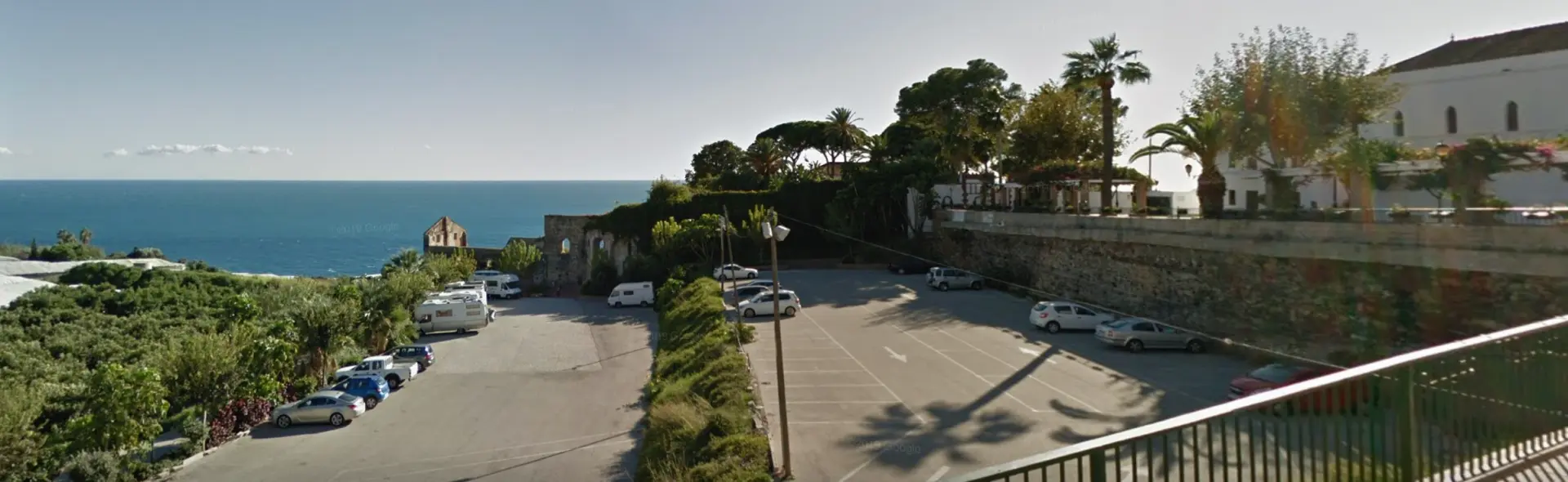
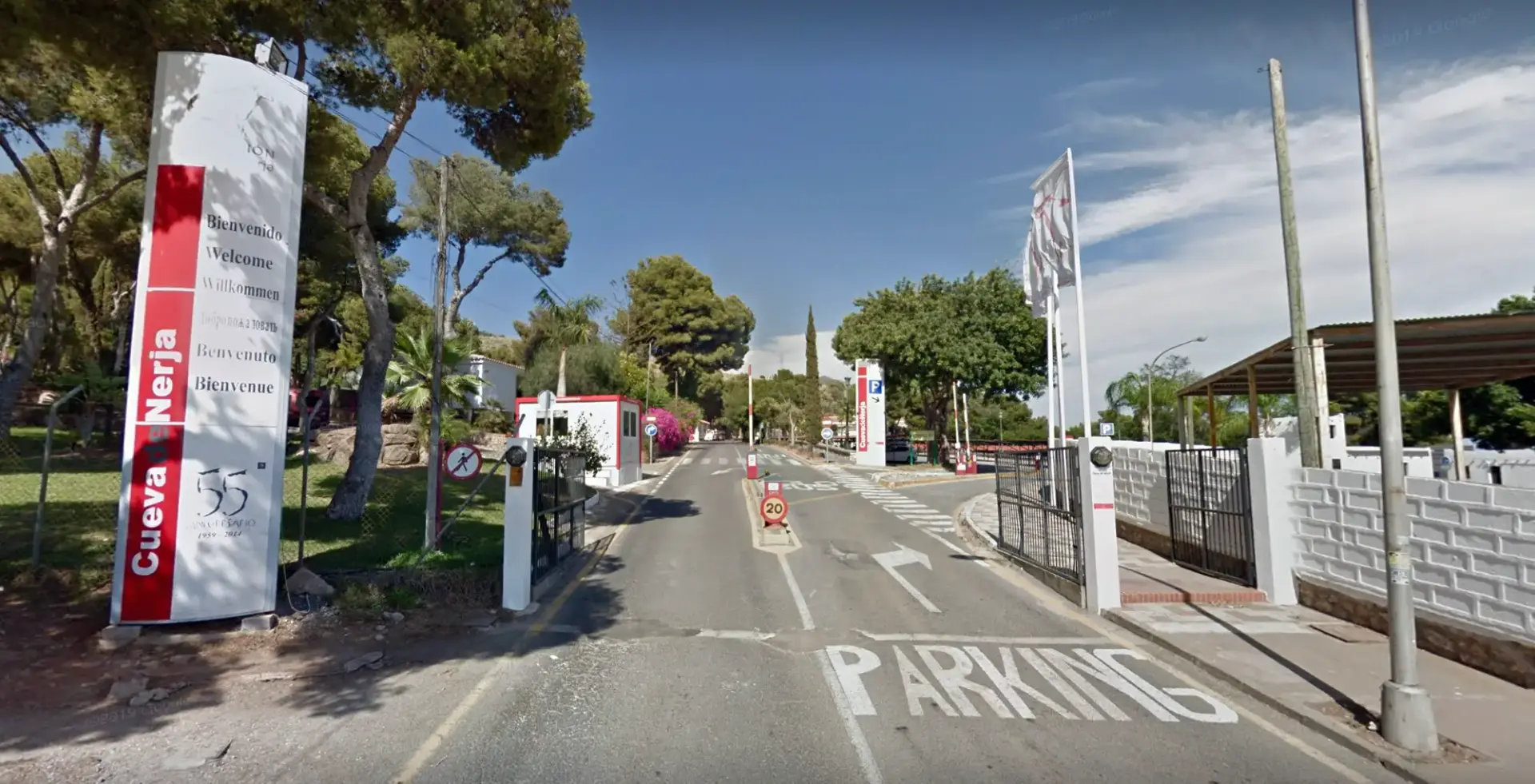
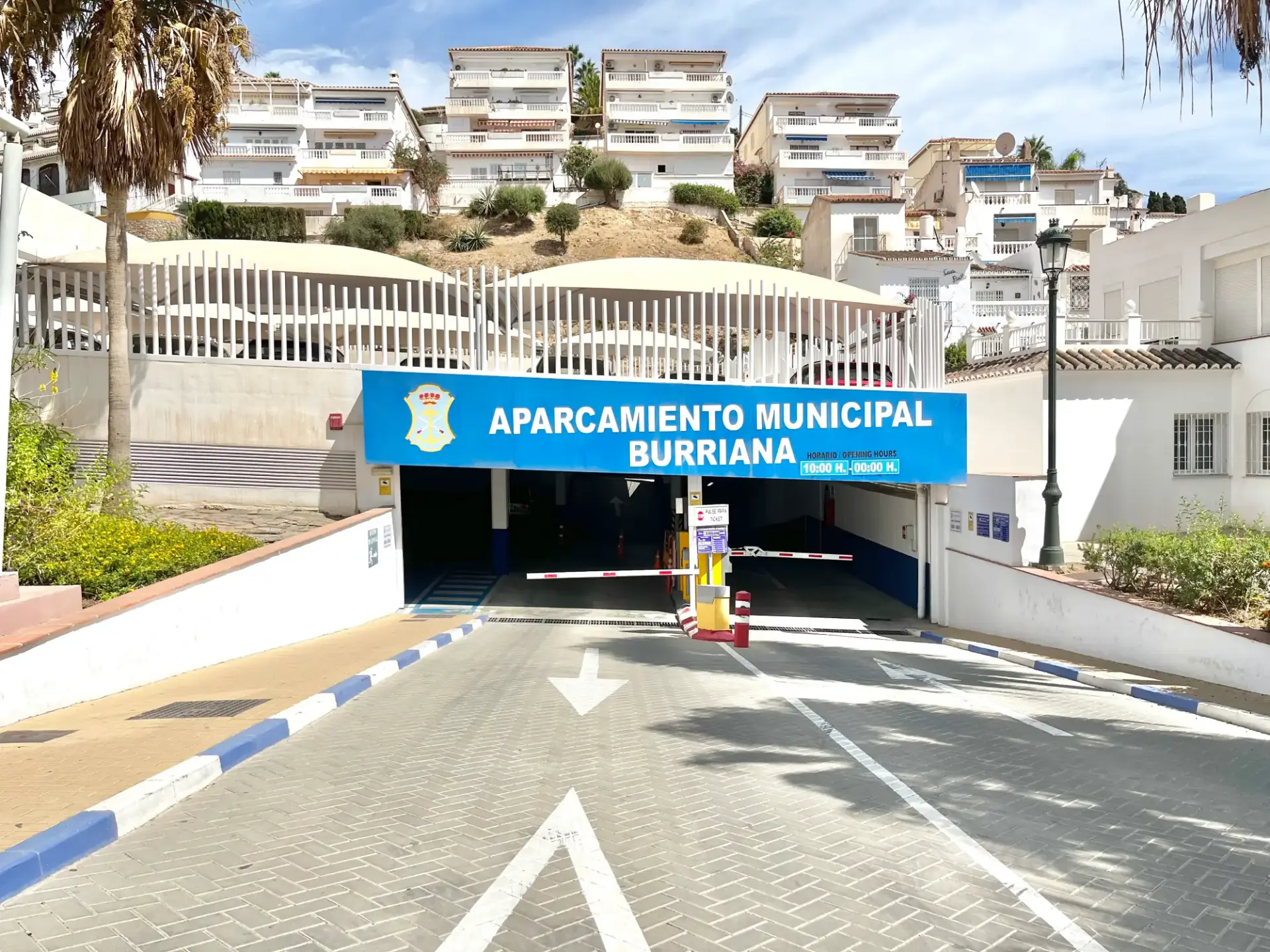
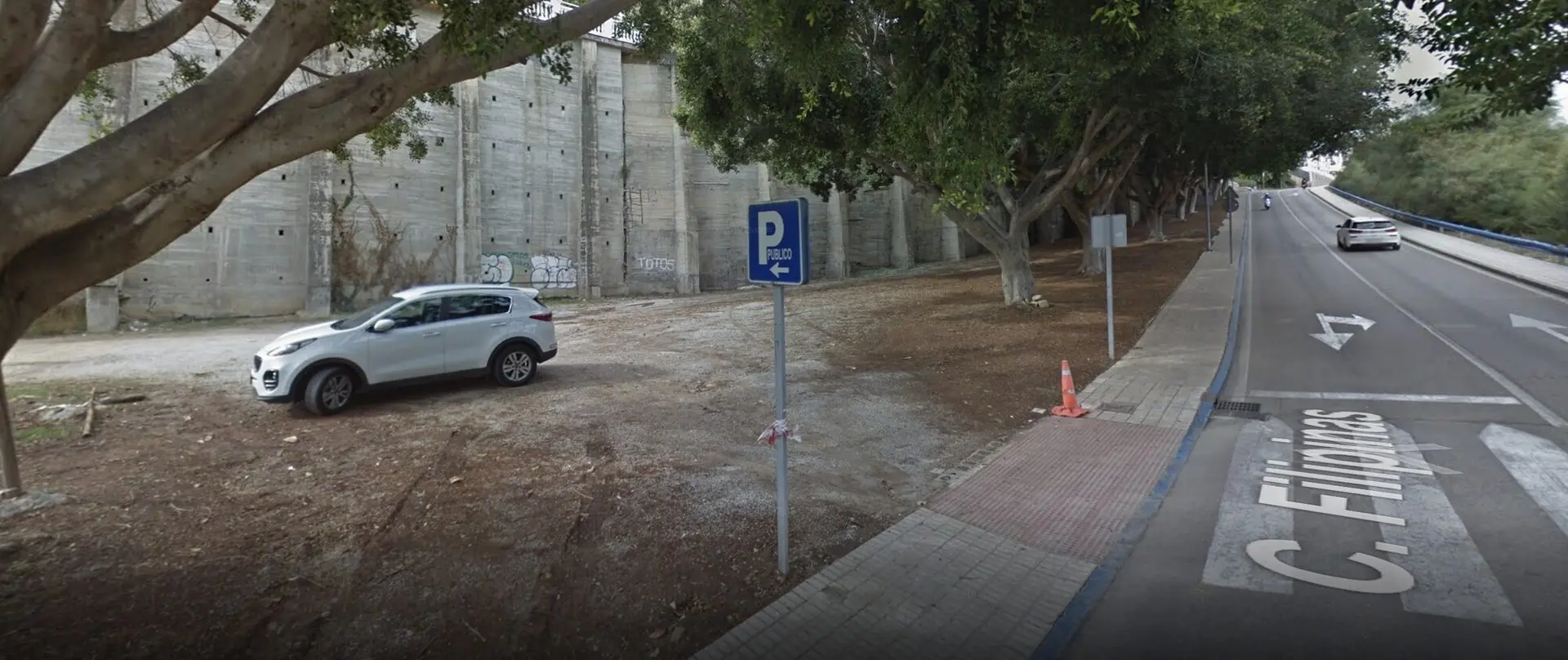
To start from Maro beach: in summer (mid-June to mid-September) park by the Nerja Caves junction and take the shuttle (every 20 minutes, €3 return); the rest of the year, use the Maro car park (around 40 spaces). To start from Burriana, use the Burriana municipal car park (around 300 spaces).
Not if you join a guided tour (from around €35): they include an instructor, life jacket and a briefing before setting off, and usually accept children in a double kayak with an adult. On your own, only on a calm day and with some practice.
What's nearby
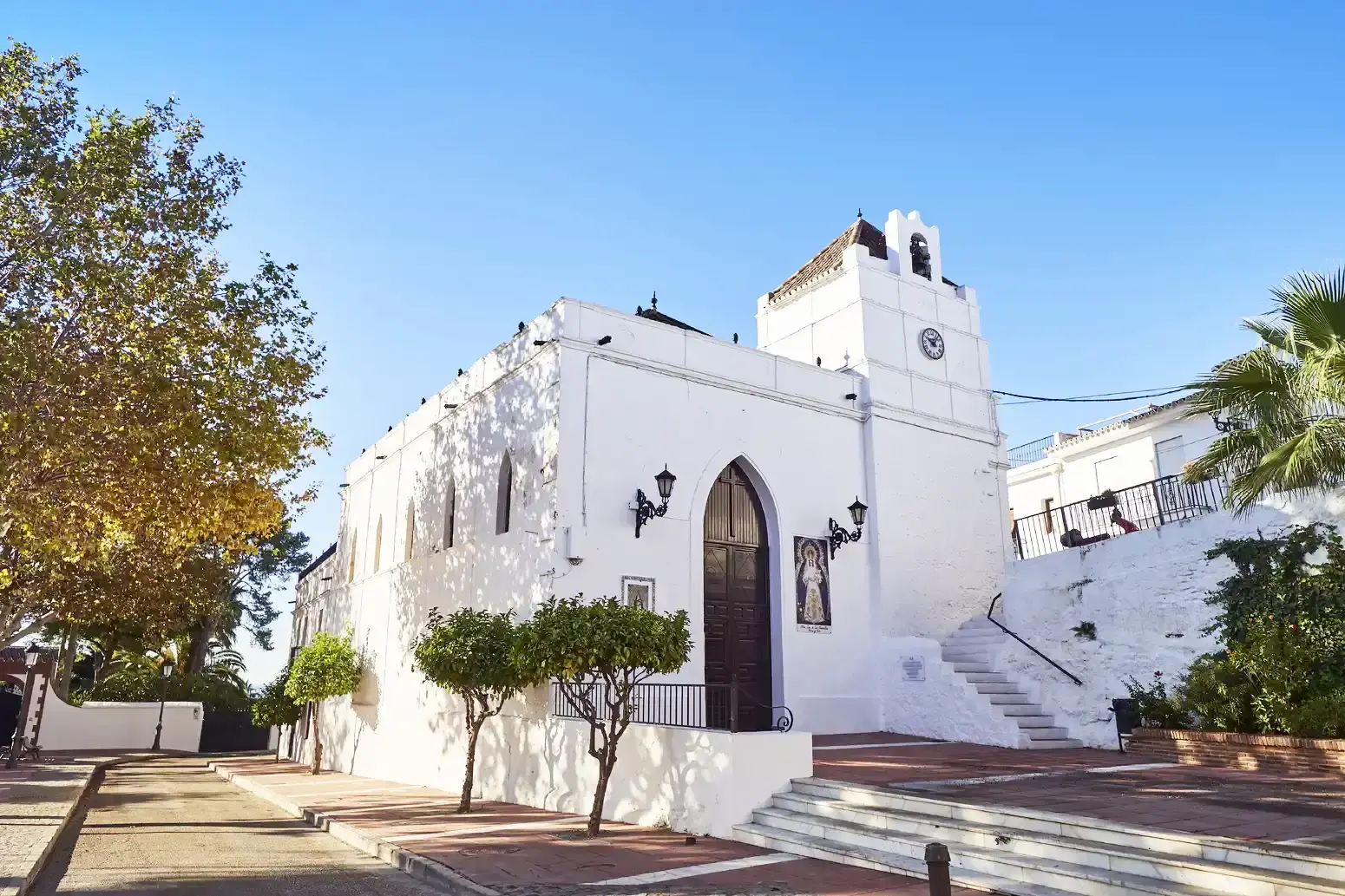
Iglesia Ntra. Sra. de las Maravillas (Maro)
Churches and chapels
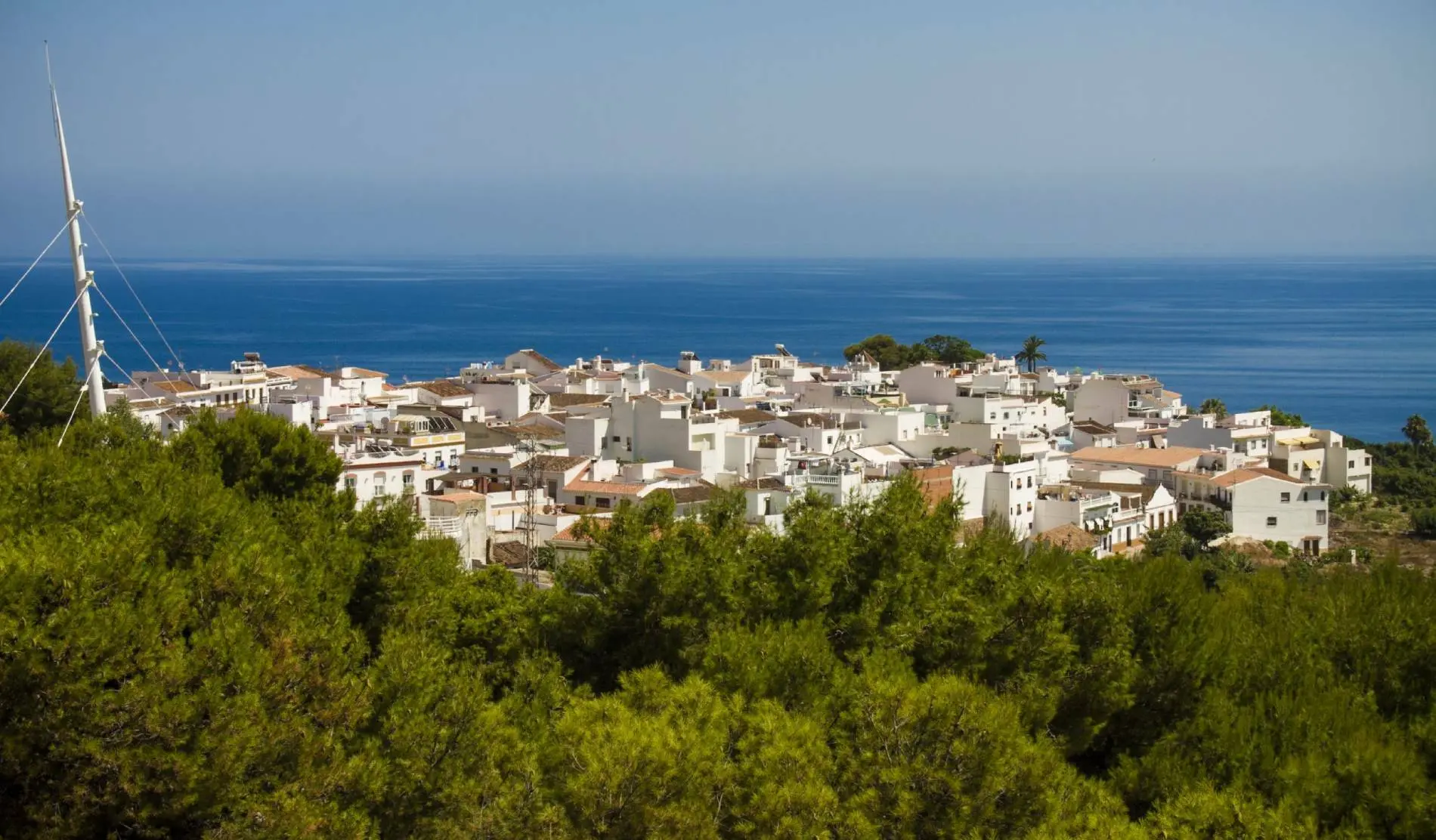
Maro
Places to Visit
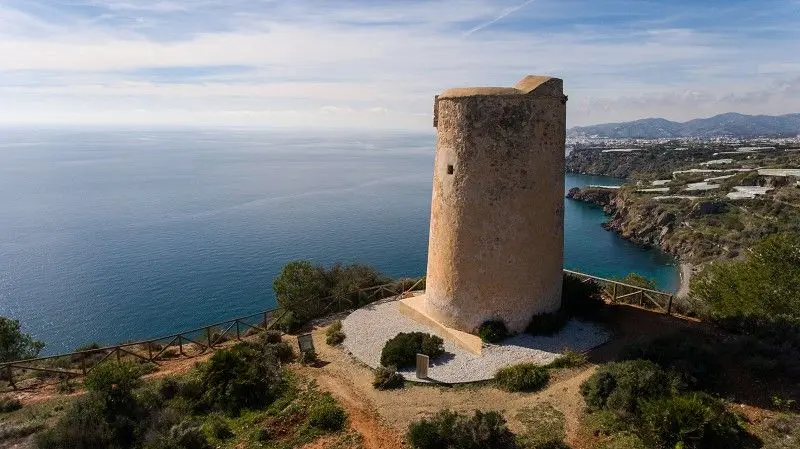
Torre de Maro (Watchtower)
Places to Visit
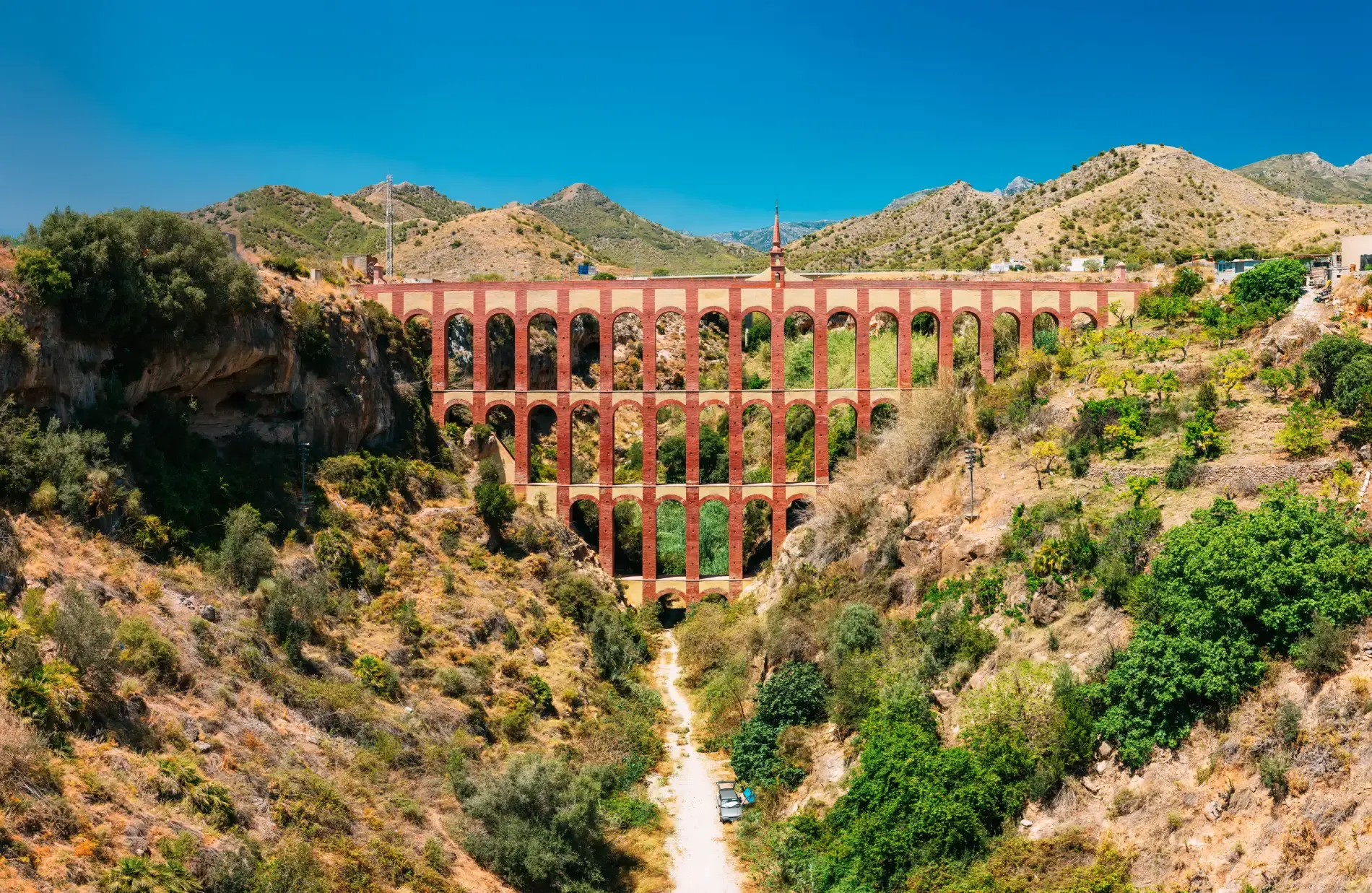
Eagle Aqueduct (Acueducto del Águila)
Places to Visit
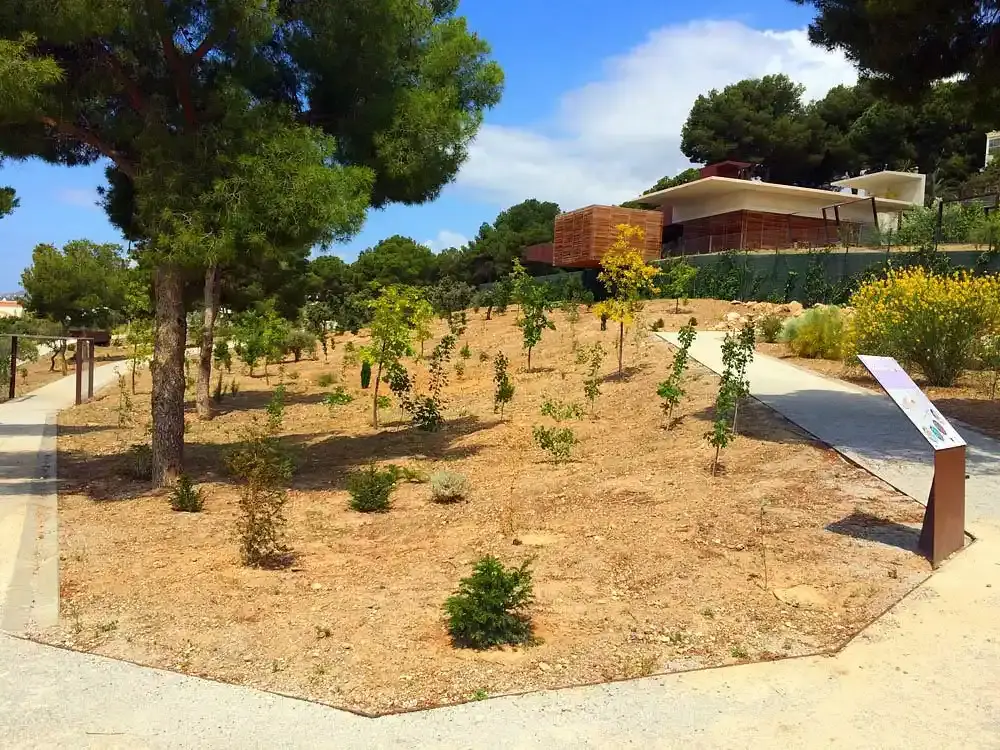
Detunda Botanical Garden
Places to Visit
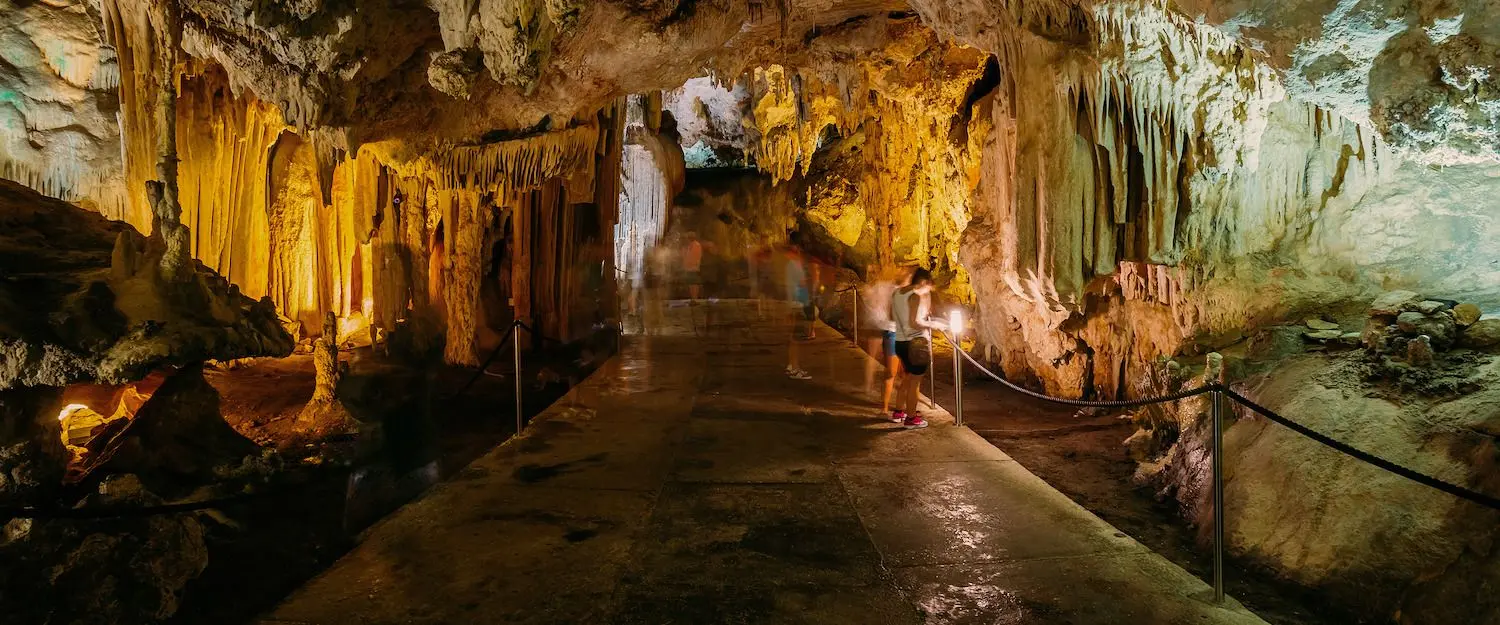
Nerja Caves
Places to Visit










Keep exploring
Maro Waterfall
Places to Visit
Free cancellation
Reserve now, pay later