Nerja Caves
Explore the Nerja Caves, one of Spain's most spectacular natural attractions. Marvel at enormous stalactite chambers, prehistoric cave paintings and the world's largest known stalagmite.
The Nerja Caves (in Spanish, Cueva de Nerja) are in Maro, about 4 km from the centre of Nerja, 158 metres above sea level. With 4,823 metres of passages, they are one of the largest caves in Andalusia. Five local lads discovered them on 12 January 1959; they opened to the public in 1960 and have been a protected Site of Cultural Interest since 2006.
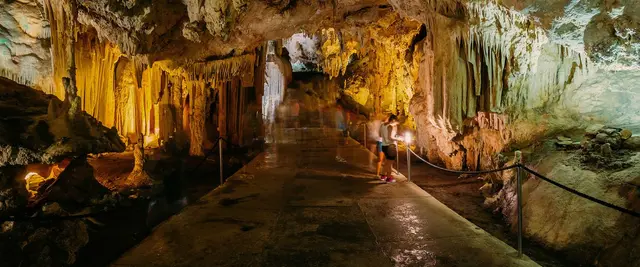
The visit covers the Show Galleries, roughly a quarter of the cave: about 50 minutes with an audio guide, at 19 °C all year round and with more than 400 steps. The Upper and New Galleries and the cave paintings are closed to protect them, but you can see them in the Virtual Reality Room on site.
Nerja Caves tickets: prices and opening hours 2026
| Ticket | Age | Online price |
|---|---|---|
| Standard | 14 and over | €16 |
| Junior | 12 and 13 | €13 |
| Child | 6 to 11 | €12 |
| Mini | 3 to 5 | €5 |
| Baby | 0 to 2 | Free |
| Reduced | Over-65s, people with disabilities, large families and European Youth Card holders | €14 |
The ticket includes the audio guide in 15 languages, the Virtual Reality Room (not suitable for under-6s) and free entry to the Nerja Museum within the next 10 days. Online tickets are cheaper than at the ticket office and come with a set time slot, so you skip the queue. The official website does not allow changes or refunds; if you want to be able to cancel, GetYourGuide sells them with free cancellation.
Opening hours: 9:15 to 16:30 (last entry 15:30). In summer (June to September), Easter, Christmas and long weekends, 9:15 to 17:30 (last entry 16:30). Closed on 1 and 6 January, 15 May and 25 December.
Free tickets: Monday to Friday there are 60 free tickets for EU citizens for the first slot, at 9:15; see below how to get one.
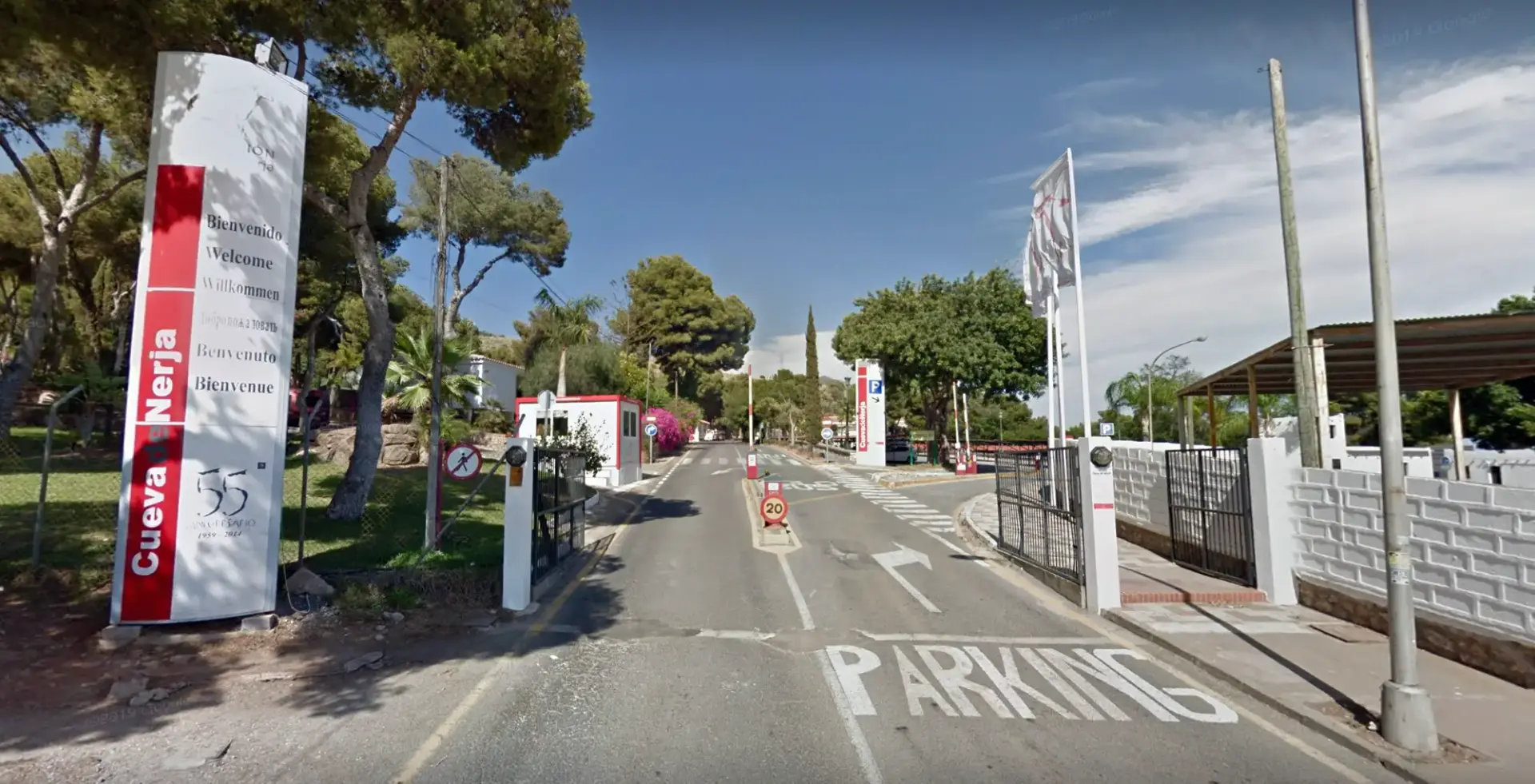
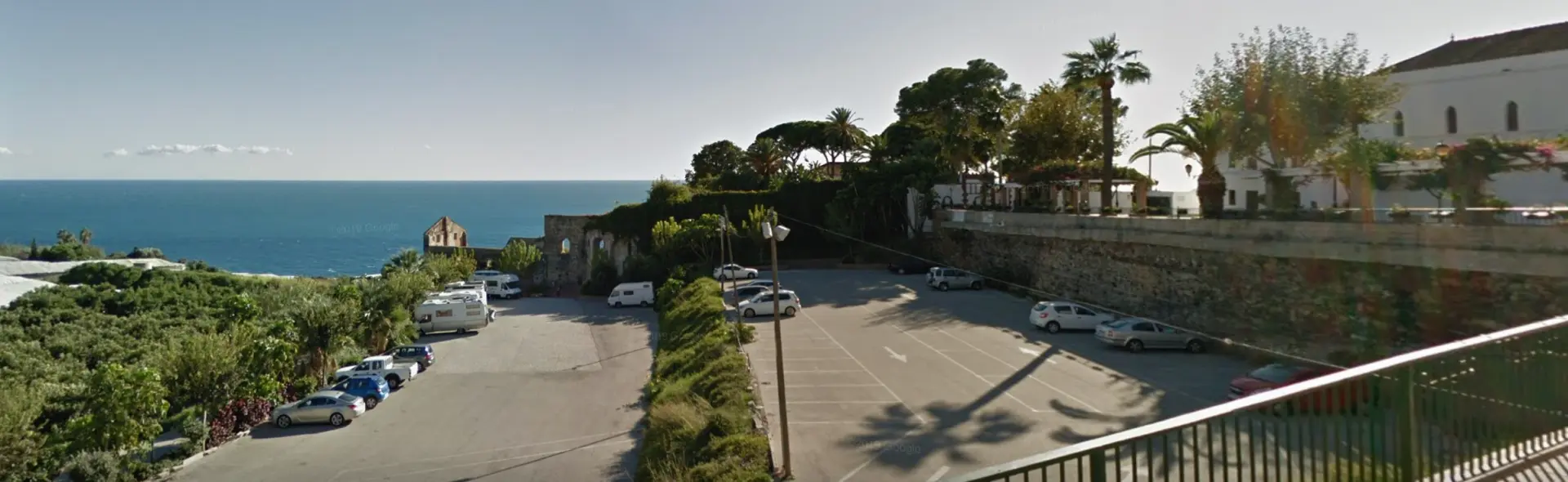
Parking: the cave has its own pay-by-the-minute car park: €0.030 a minute for the first 90 minutes (€2.70 for an hour and a half) and €0.021 after that.
What you see on the visit
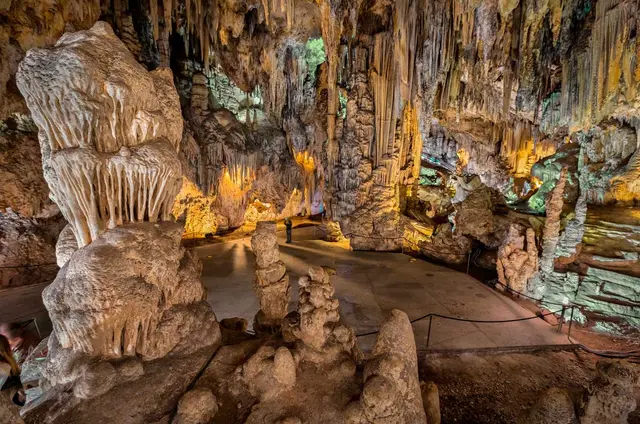
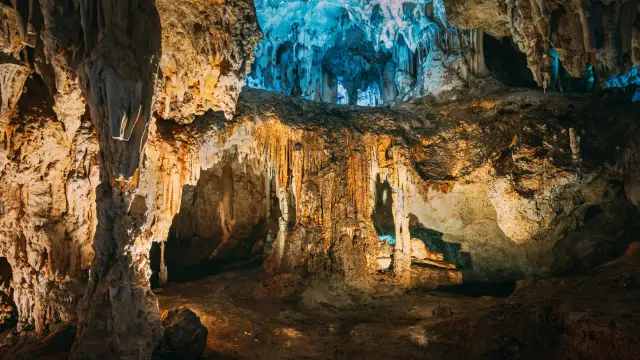
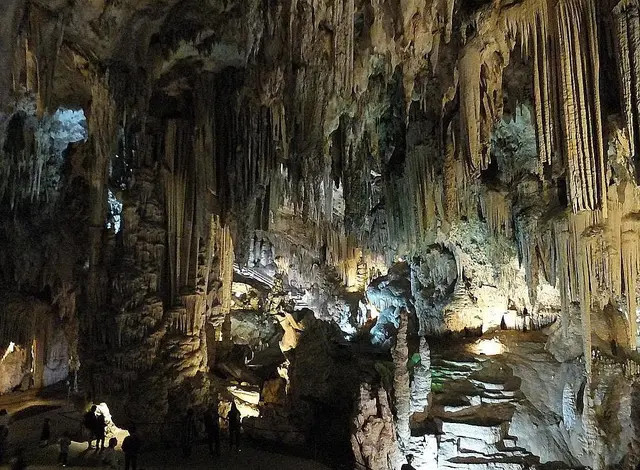
The route goes through five great halls: the Torca Hall, where you enter; the Nativity Hall (Sala del Belén); the Ghosts Hall; the Waterfall Hall, home of the Nerja Caves Music Festival; and the Cataclysm Hall, with its giant column and the huge blocks that fell in an ancient earthquake. The lighting is deliberately dim to protect the cave, and photos are only allowed at marked points and without flash.
Photos of the Nerja Caves
The Nerja Caves Foundation
The caves are run by the Fundación Pública de Servicios Cueva de Nerja, a non-profit body set up by the Spanish Government's office in Málaga, Nerja Town Council and Málaga Provincial Council. It manages the visits, the conservation and research of the cave and its archaeological site, the Nerja Museum and the Music Festival.
Contact: Carretera de Maro, s/n, 29787 Maro (Nerja). Phone +34 952 529 520. Official website: cuevadenerja.es.
Eating at the Nerja Caves
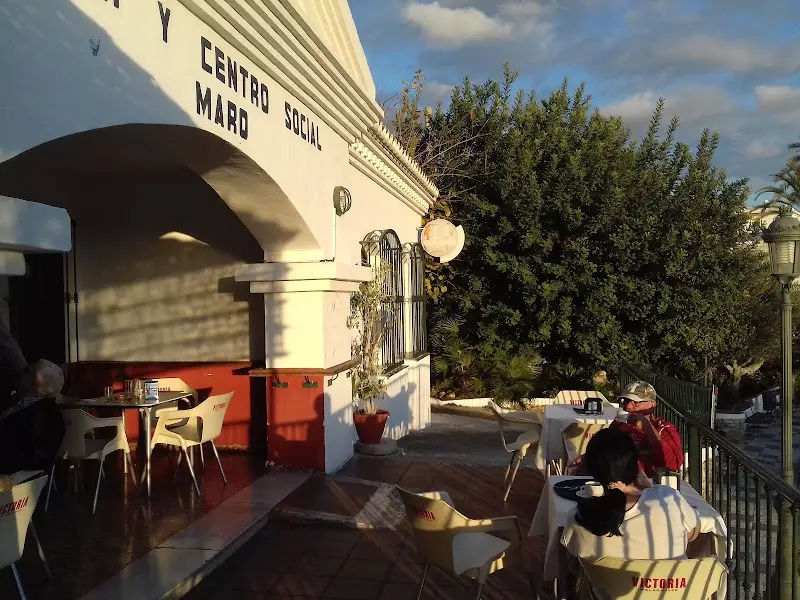
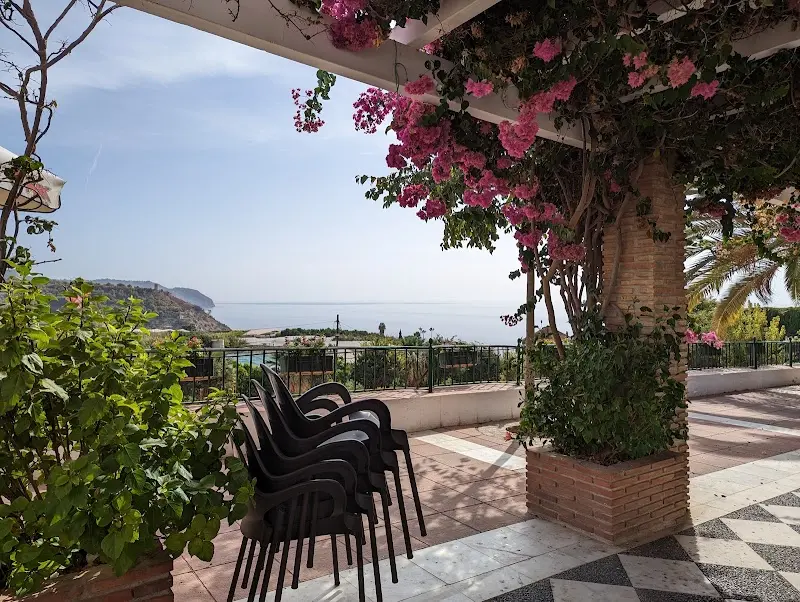
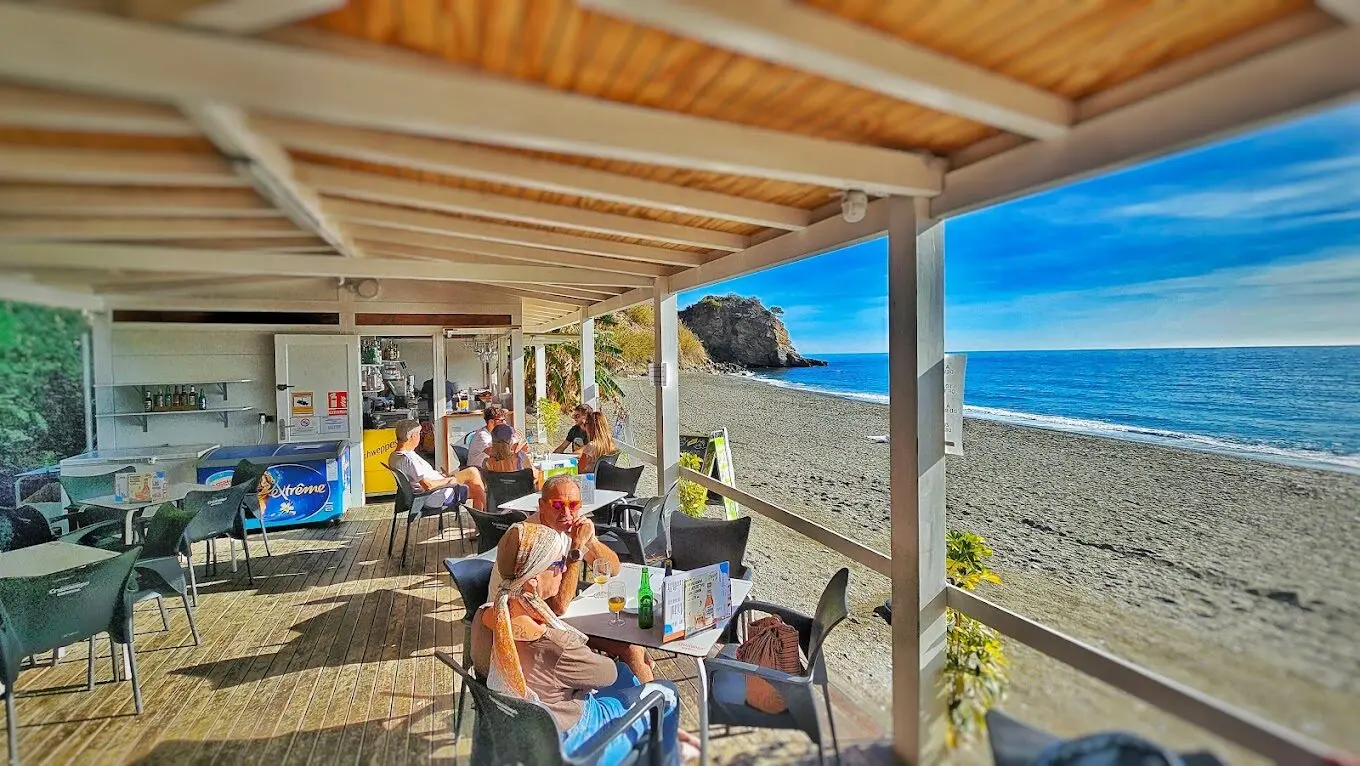
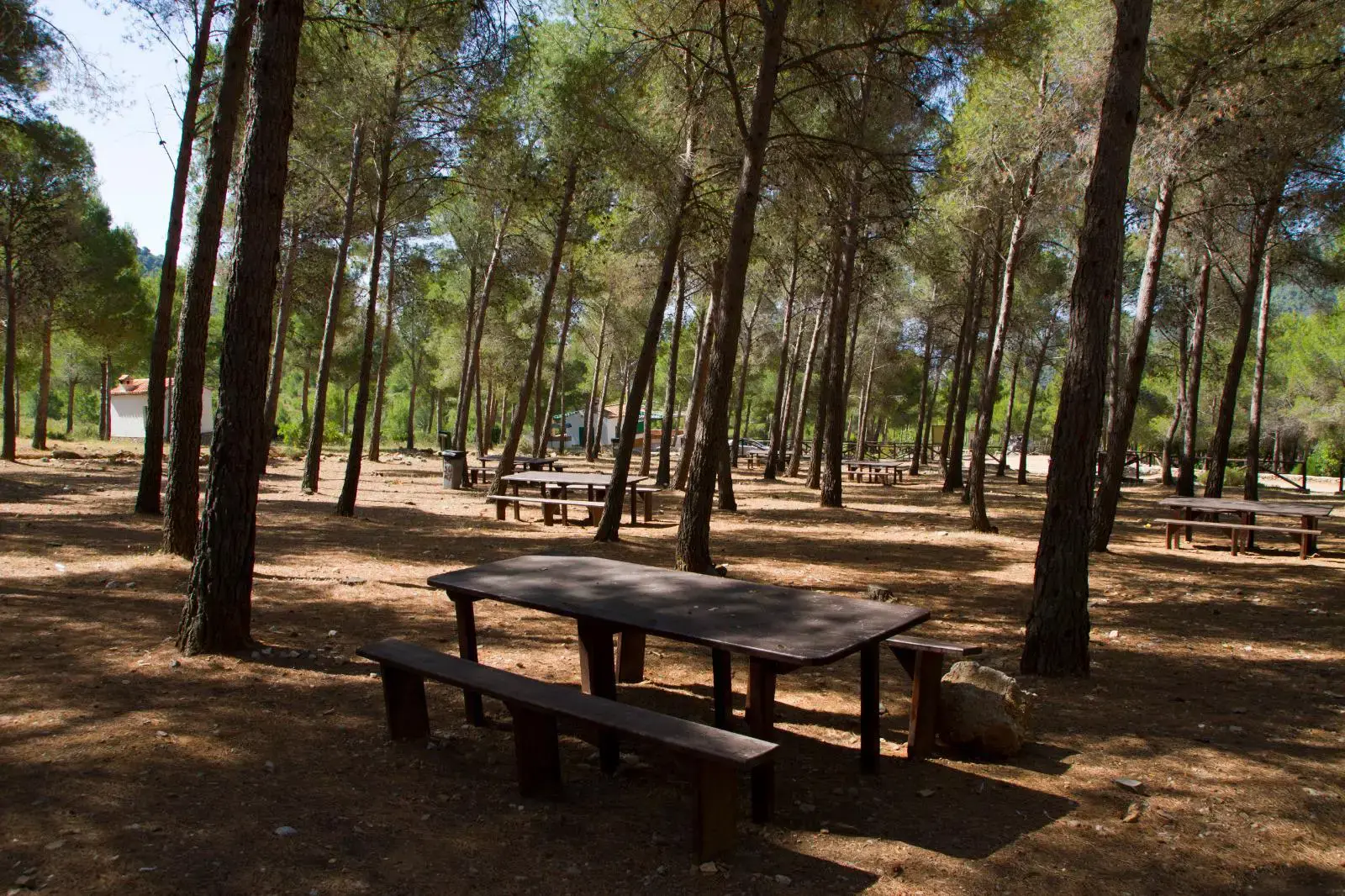
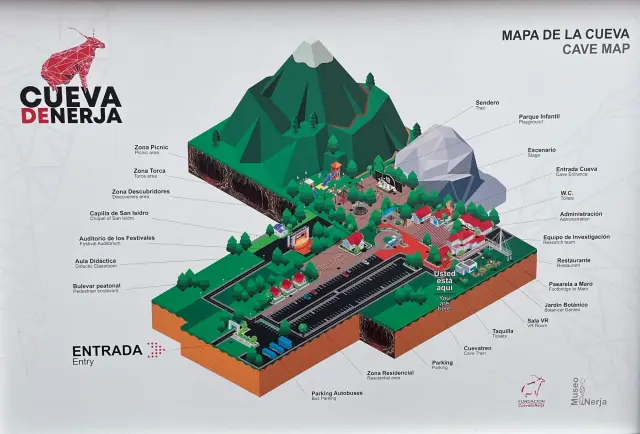
On site there is the Nerja Caves restaurant and café, with views over the sea and Maro, and next to the playground a picnic area with tables in the shade of the pine trees. If you prefer to eat in the village, Maro is a few minutes' walk away.
Before you go
Practical tips and basic rules for visiting the Nerja Cave:
Tips for your visit
Closed shoes
Wear trainers with non-slip soles; the floor can be damp. Flip-flops are not allowed, and if you go in with unsuitable footwear you do so at your own risk.A light jacket
Inside it is around 19ºC all year round. Lovely and cool in summer; if you feel the cold, bring a thin layer.Lots of steps
The route has slopes and over 400 steps. It is not accessible by wheelchair or with a pushchair.How long it takes
The visit lasts about 50 minutes, with an audio guide in 15 languages (download it free to your phone before you go). The ticket also includes the virtual reality room and the Nerja Museum.Best time
First thing in the morning (10:00 to 11:30) is quieter and more enjoyable.Book ahead
Online tickets are cheaper and come with a time slot, so you skip the queue. Summer, Easter and long weekends get very busy.Free entry
On working weekdays there are 60 free tickets for the 9:15 slot (EU citizens). They are released online 48 hours before at 9:15, maximum 2 per person, and go fast. How to get one.Getting there without a car
The Cueva-Tren leaves from Plaza de los Cangrejos, and there are buses from Nerja and Málaga.Parking
The cave car park is paid by the minute: €0.030/min for the first 90 minutes and €0.021/min after that (an hour and a half costs about €2.70).Children
Under-6s enter under the responsibility of their parents or guardians. Next to the entrance there is a playground and a restaurant area.Combine it with Maro
Music in summer
The Nerja Cave Festival fills the cave with concerts every summer. Tickets usually sell out quickly.
Rules to respect during the visit
- No pets, except guide dogs.
- Do not touch or alter the rock formations.
- No eating or drinking inside the cave.
- No flash photography: it damages the formations and disturbs other visitors.
- Do not leave litter: it is a protected archaeological site.
- Respect the cave's wildlife: some species live only here.
- Do not raise your voice and keep pace with your group, without overtaking the one ahead.
- Any activity that damages the cave or its facilities is prohibited.
The rock art is not shown on the visit to protect it. Any inappropriate behaviour means being refused entry or asked to leave the visit.
How to visit the Nerja Cave for free
Free tickets are released online every day at 09:15 (Spanish time), 48 hours before each visit day.
Services & facilities
🎯 Book now
Book now, pay nothing today, free cancellation.
Video
1 videoNerja Caves — video 1
History
A cave carved by water over 5 million years
The marble the cave sits in began as limy mud laid down on the floor of an ancient sea in the Triassic. During the Alpine orogeny, the collision between Africa and Europe pushed up the Baetic ranges, including the Tejeda and Almijara sierras, and fractured that rock.- Over the last 5 million years, rainwater seeped through the cracks and slowly dissolved the marble, opening huge galleries. When the groundwater dropped to deeper levels, the chambers dried out and began to fill, drop by drop, with calcite stalactites, stalagmites, columns and flowstone.
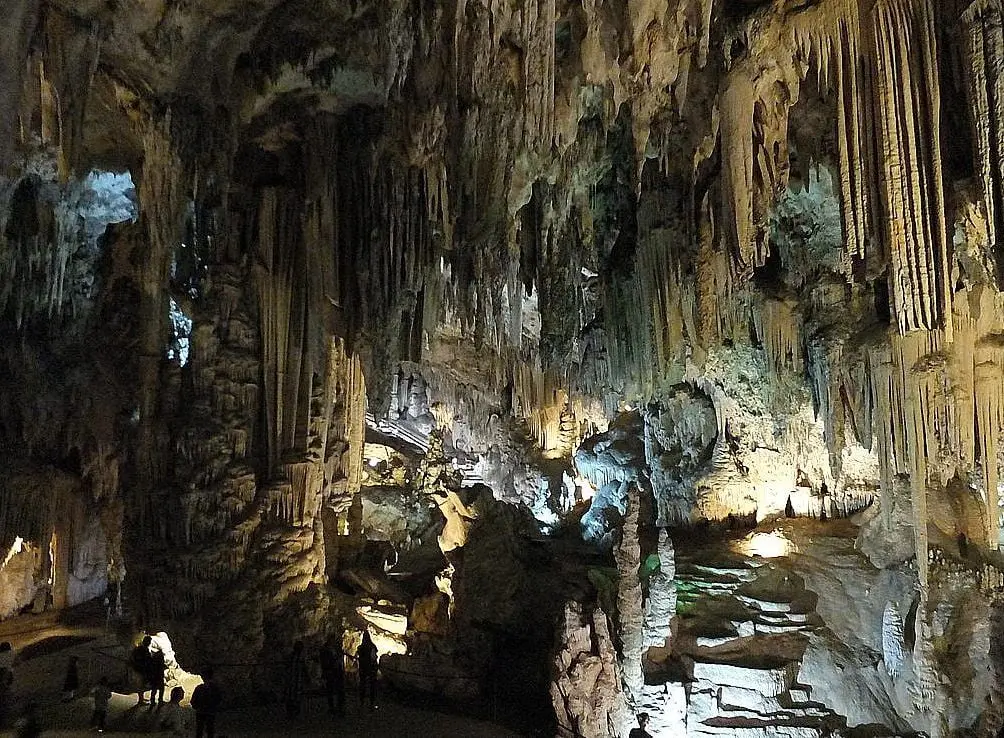
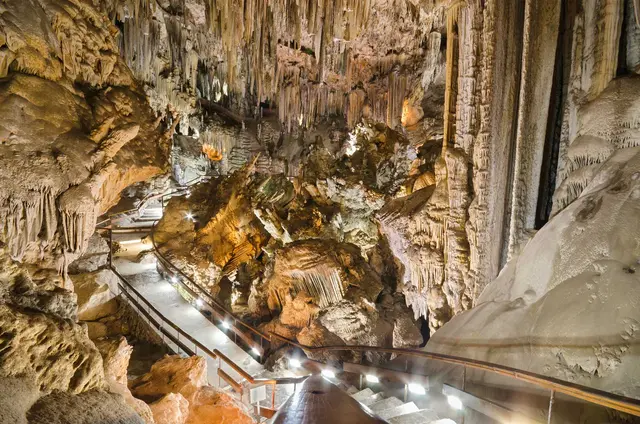
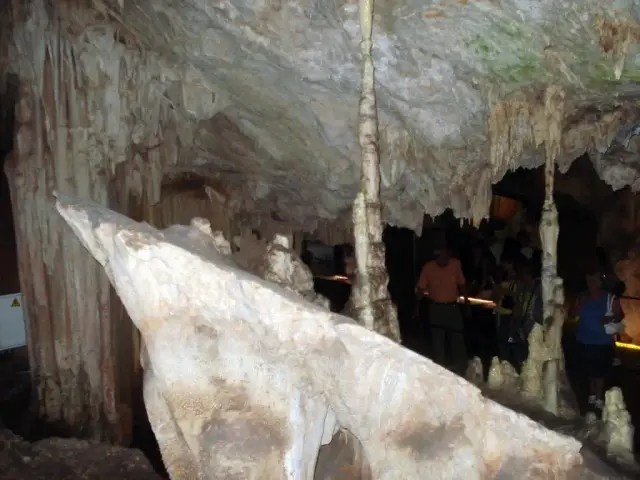
Stalactites and flowstone in one of the chambers of the Nerja Cave The Cataclysm Hall and its giant column
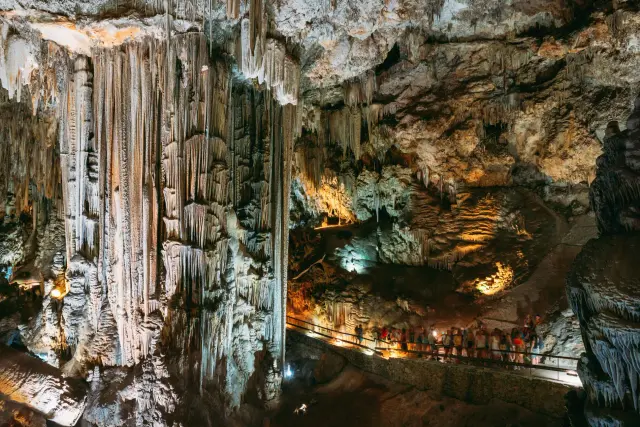
Around 800,000 years ago, an earthquake brought down part of the formations in the great chamber now called the Cataclysm Hall. It is home to the column once listed by Guinness World Records as the largest in the world: about 32 metres high and 13 × 7 metres at the base.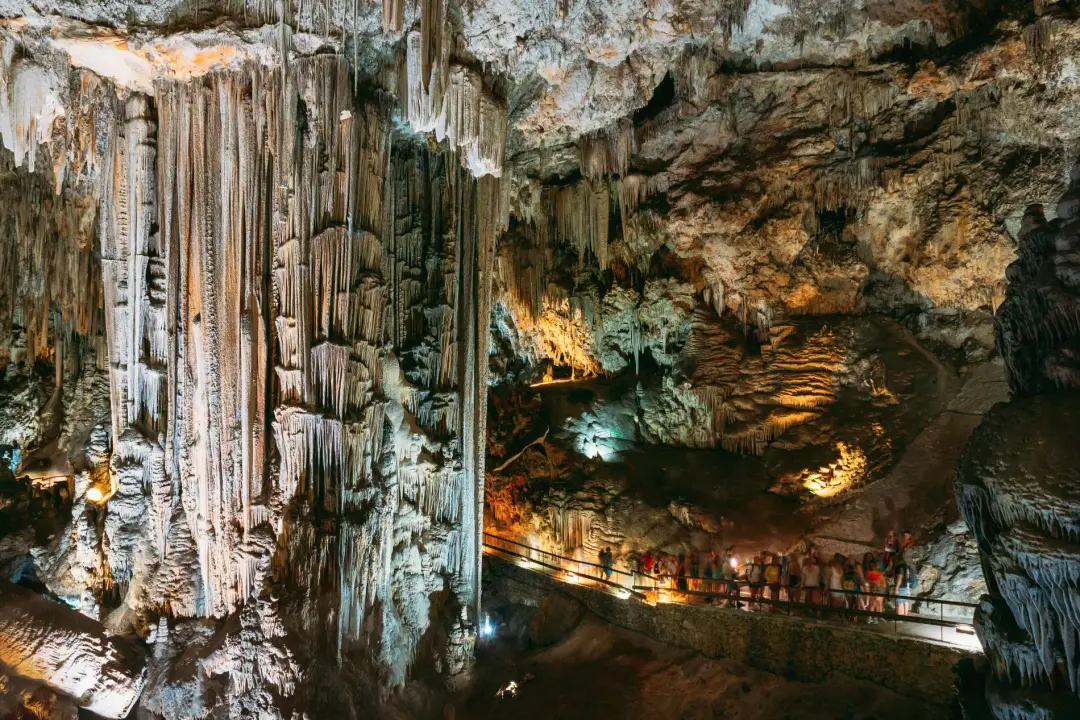
Giant columns and the lit walkway inside the Nerja Cave Home to prehistoric hunters
The cave sheltered people for tens of thousands of years, from the Upper Palaeolithic to the Copper Age: its outer chambers have yielded hearths, tools, food remains (shellfish included), pottery and burials. Around 4,000 years ago the entrance was blocked and the cave was forgotten.- 2012
The oldest paintings in the world?
In 2012, organic remains next to some paintings of seals were dated to around 42,000 years ago, raising the possibility that they were made by Neanderthals and were the oldest known. A 2017 study lowered their age to between 20,000 and 18,000 years, placing them in the Magdalenian and attributing them to Homo sapiens. To protect it, the rock art is not shown on the visit. A hermit in the Middle Ages
Among the first finds was an Andalusi lead amulet bearing traces of writing. Amulets like this carried phrases from the Quran to protect their owner, and researchers believe it may have belonged to a hermit who lived in the entrance chambers.- 1959
12 January 1959: five lads and some bats
Five young men from Maro and Nerja, Miguel and Manuel Muñoz Zorrilla, José Luis Barbero de Miguel, José Torres Cárdenas and Francisco Navas Montesinos, climbed down a shaft known as "La Mina" to catch bats. They felt a draught of damp air coming from a crack blocked by two stalactites. - The next day they came back with tools, broke the stalactites and crawled through a narrow passage into a chamber so large their torches could not reach the ceiling. There they found skeletons beside pottery bowls and hurried out, frightened, to tell everyone. Photos published in the Sur newspaper made the cave known around the world.
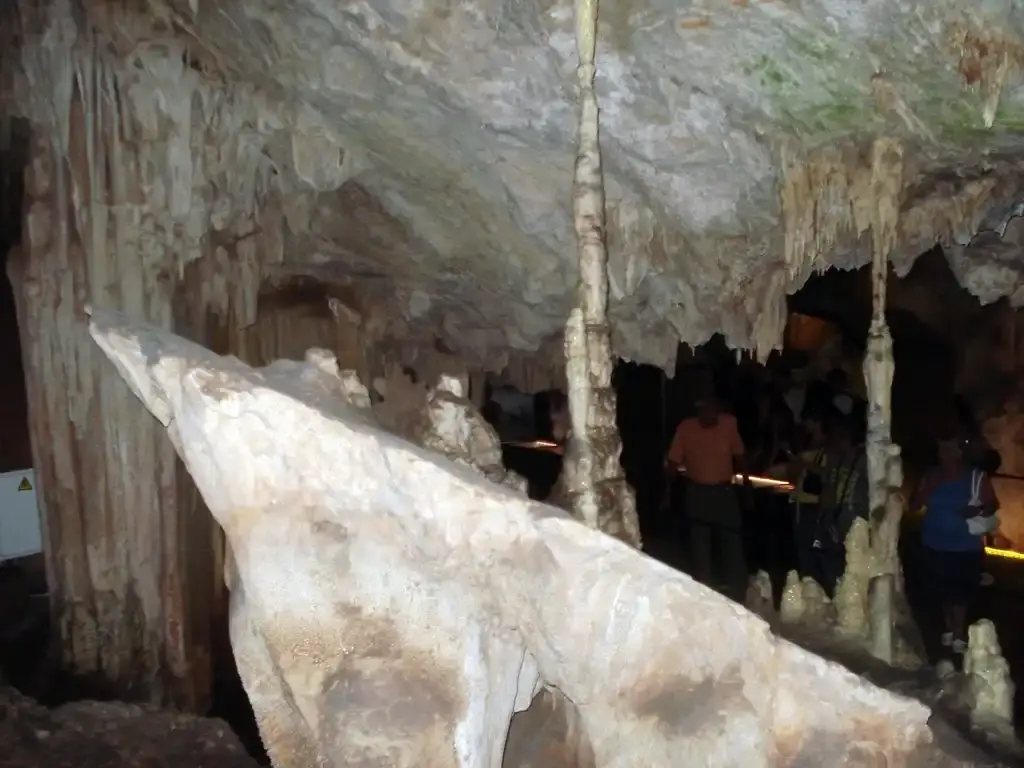
La Mina chamber, next to the shaft through which the Nerja Cave was discovered in 1959 - 1960
1960: the cave opens to the public
Because La Mina shaft was very hard to climb down, a search began for the original entrance. The clue was the root of a juniper poking into one gallery: following it led to the old entrance, sealed for thousands of years by a huge boulder. Once it was cleared and the first excavations were done, the cave opened to visitors in 1960, and that same year it hosted its first ballet performance, the origin of the Nerja Cave Festival. 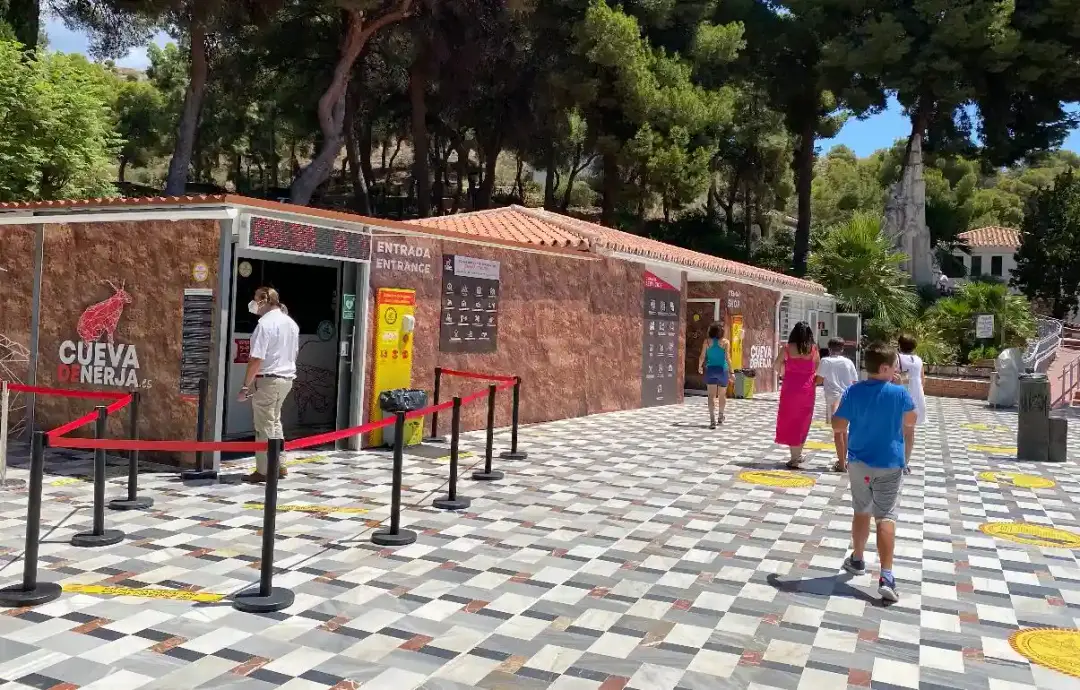
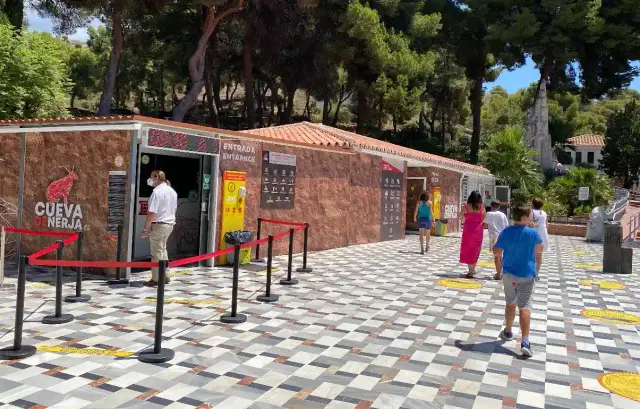
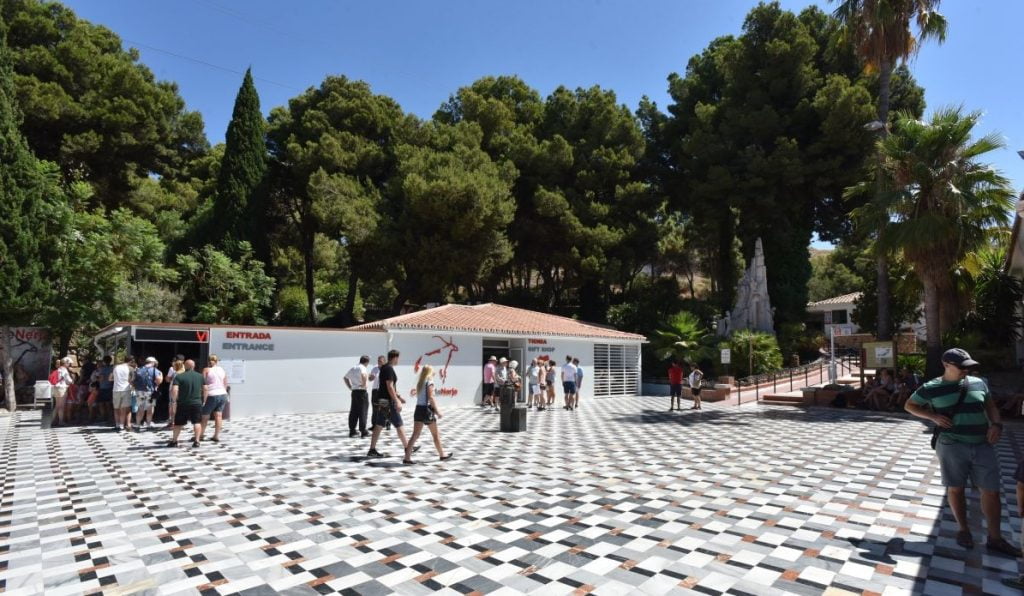
Ticket offices and current entrance to the Nerja Cave - 1969
1969: the galleries you cannot visit
In 1969 cavers found a narrow passage in the Cataclysm Hall leading to the Upper Galleries and the New Galleries, with spectacular formations and prehistoric remains. Today the tourist route covers only part of the cave: about 9,400 m² of the more than 35,000 m² known. - 1961
A protected monument
In 1961, a year after opening, it was declared a Historic-Artistic Monument, and in 2006 a Site of Cultural Interest (Bien de Interés Cultural) as an Archaeological Zone. The Nerja Cave Foundation and its scientific committee of geologists, biologists and archaeologists continue to study it and look after its conservation.
Where to park
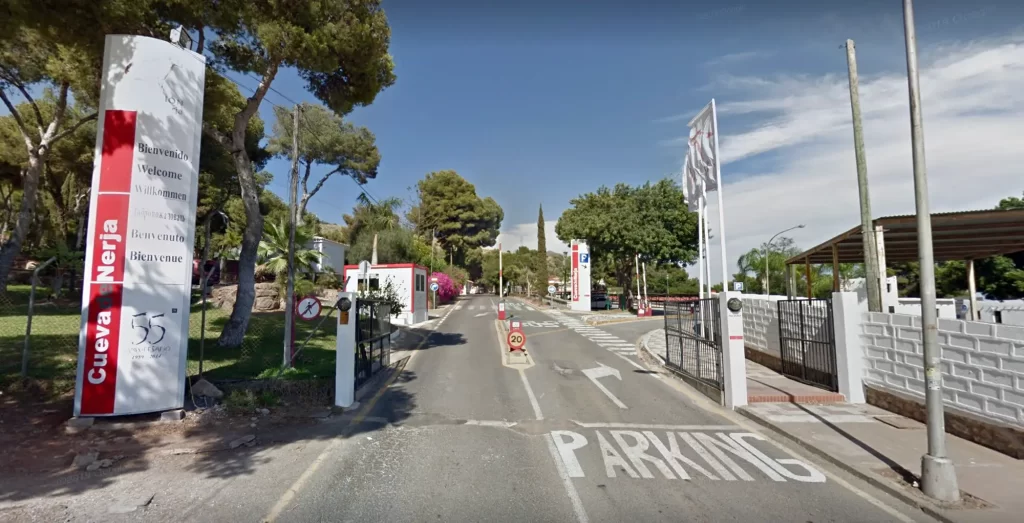
If you are planning to visit the cave by car, it is worth knowing that the Cueva de Nerja car park costs €2 per day. If you decide to park there, please note that you must pay with two 1 euro coins. If you do not have the necessary coins, you can go to the cave ticket office to have them changed.
How to get to Nerja Caves
🚗 Access by car
You can calculate the driving time, route length, and fuel amount and cost below by entering your departure city in the «From» field below.
Plan your route here: enter your starting point and choose how you want to travel.
Already on your way? Open GPS navigation:
Review profile
Summary of the 1,019 most recent Google and Tripadvisor reviews (August 2023 – October 2026). These are visitors' opinions, analysed by EsNerja.
According to 1,019 recent reviews on Google (718) and Tripadvisor (301): most mentioned: huge, impressive formations · good value for money · virtual reality room and botanical garden · tickets can be booked online.
Google vs Tripadvisor
Google 4.6 · Tripadvisor 4.2
Google rates it 0.4 higher than Tripadvisor.
By review language
Spanish 4.5 (366) · English 4.2 (300)
Language hints at who is reviewing (locals and Spanish visitors, or foreign visitors).
Last 12 months
4.6 (791) vs 4.2 (91) the year before
The rating is rising.
Months with the best average rating
January, June, July
Based on review dates; not a forecast.
Frequently asked questions
What's nearby
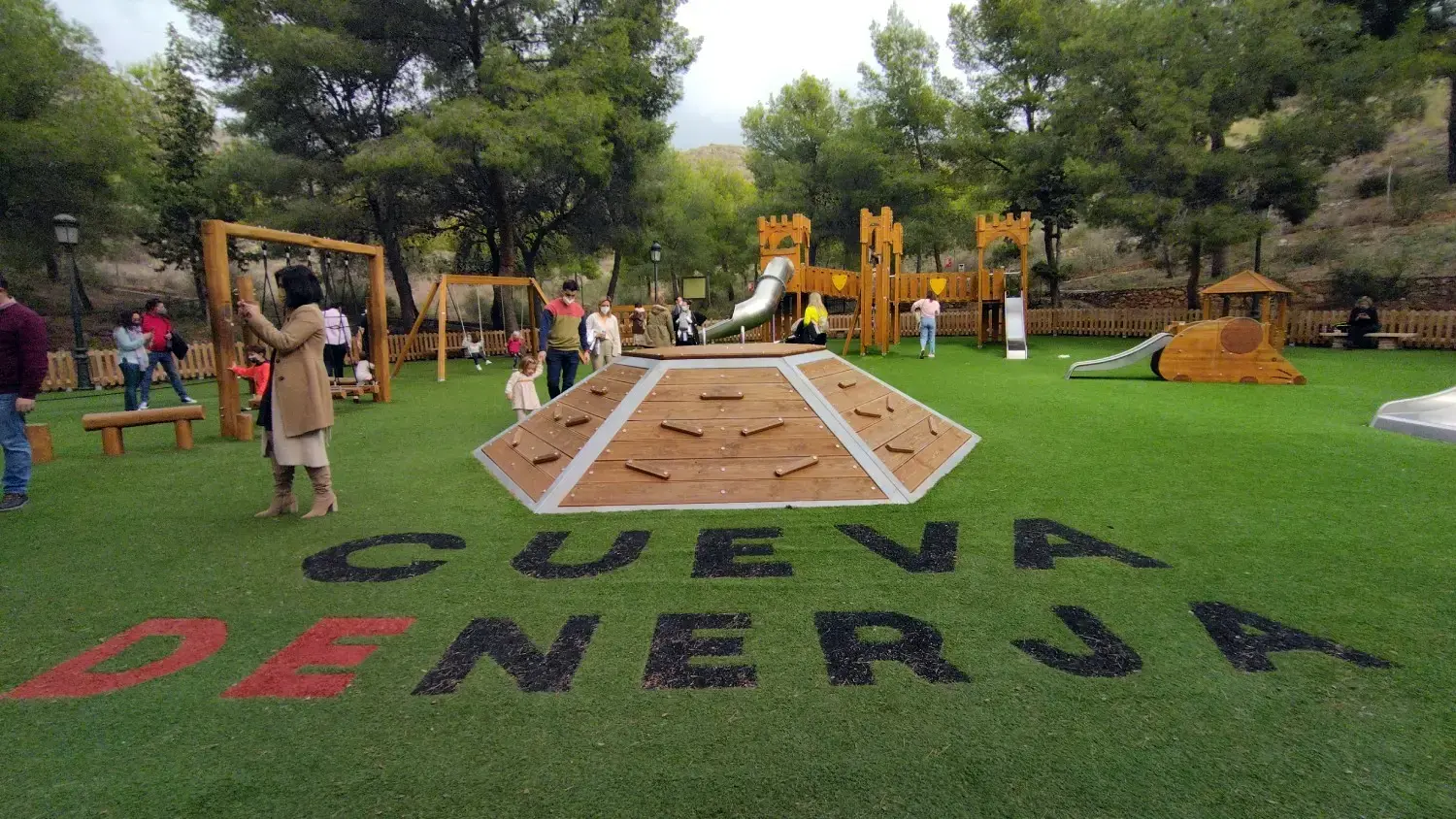
Cueva de Nerja Children's Playground
Children's playgrounds
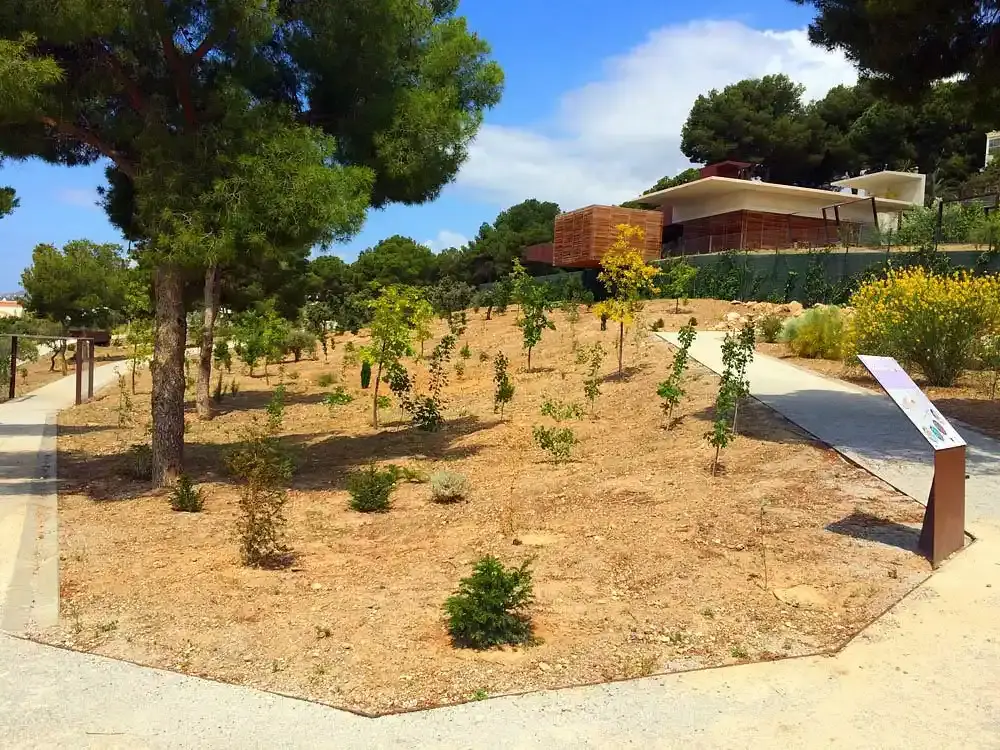
Detunda Botanical Garden
Places to Visit
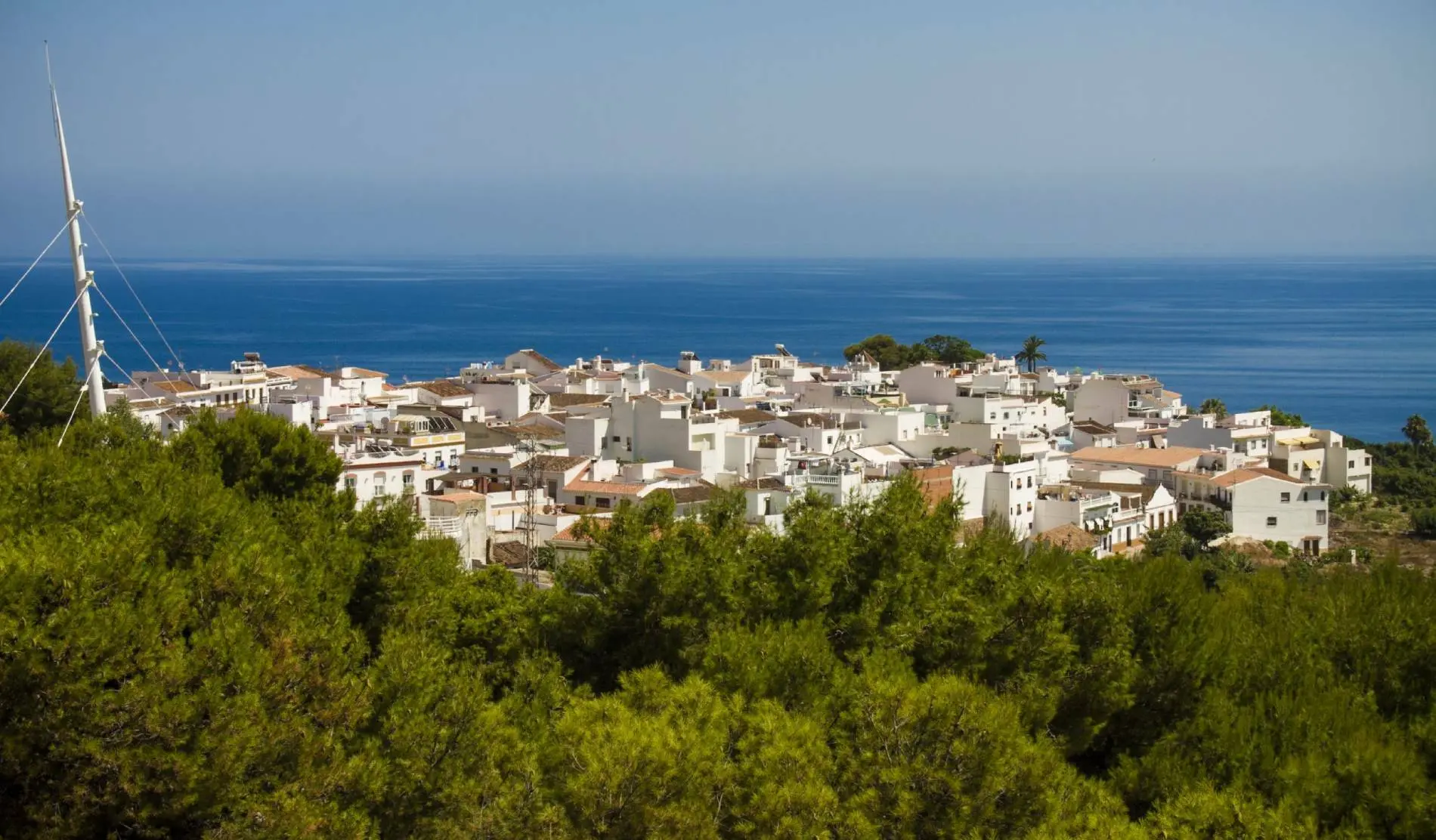
Maro
Places to Visit
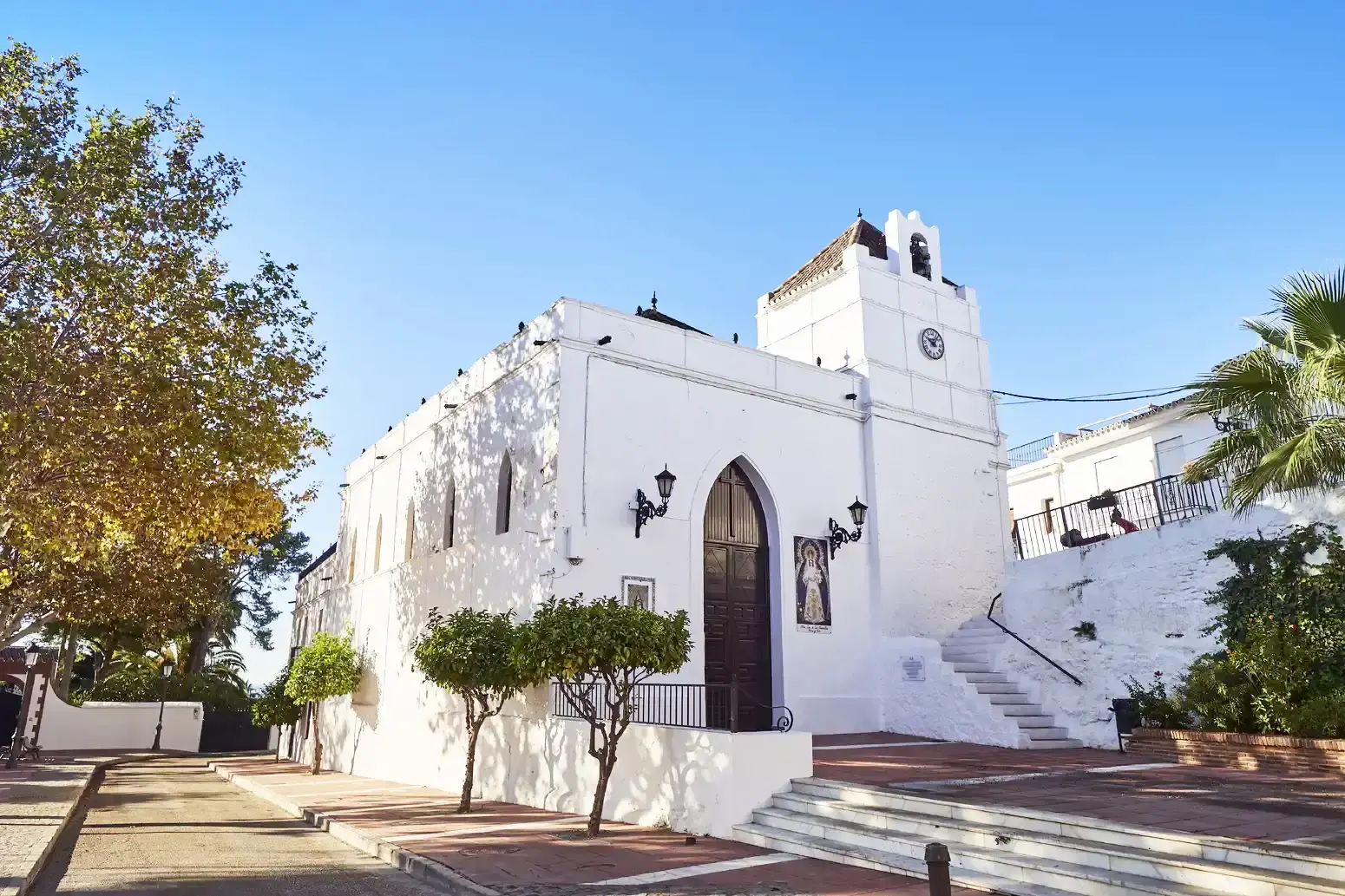
Iglesia Ntra. Sra. de las Maravillas (Maro)
Churches and chapels
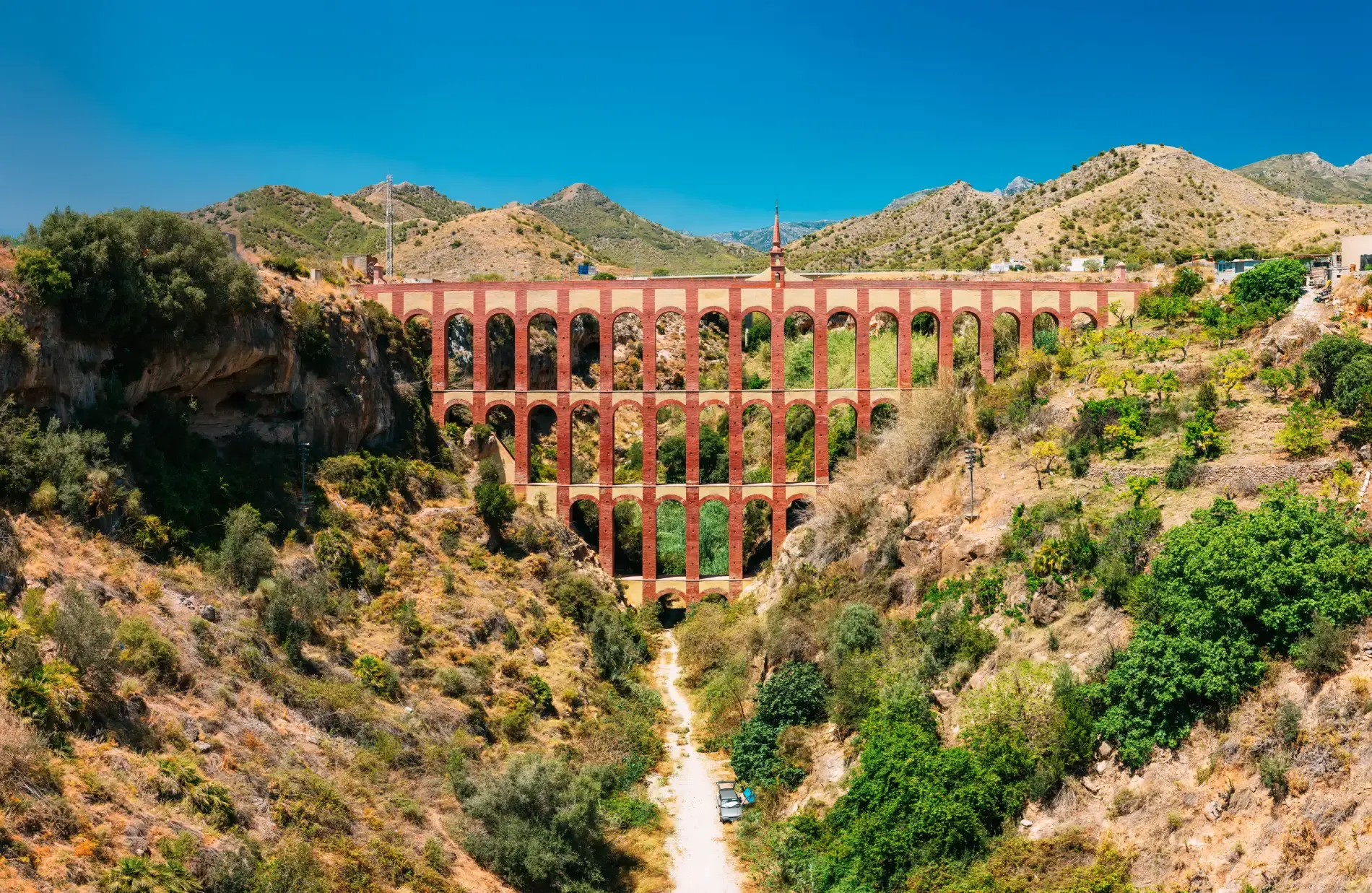
Eagle Aqueduct (Acueducto del Águila)
Places to Visit
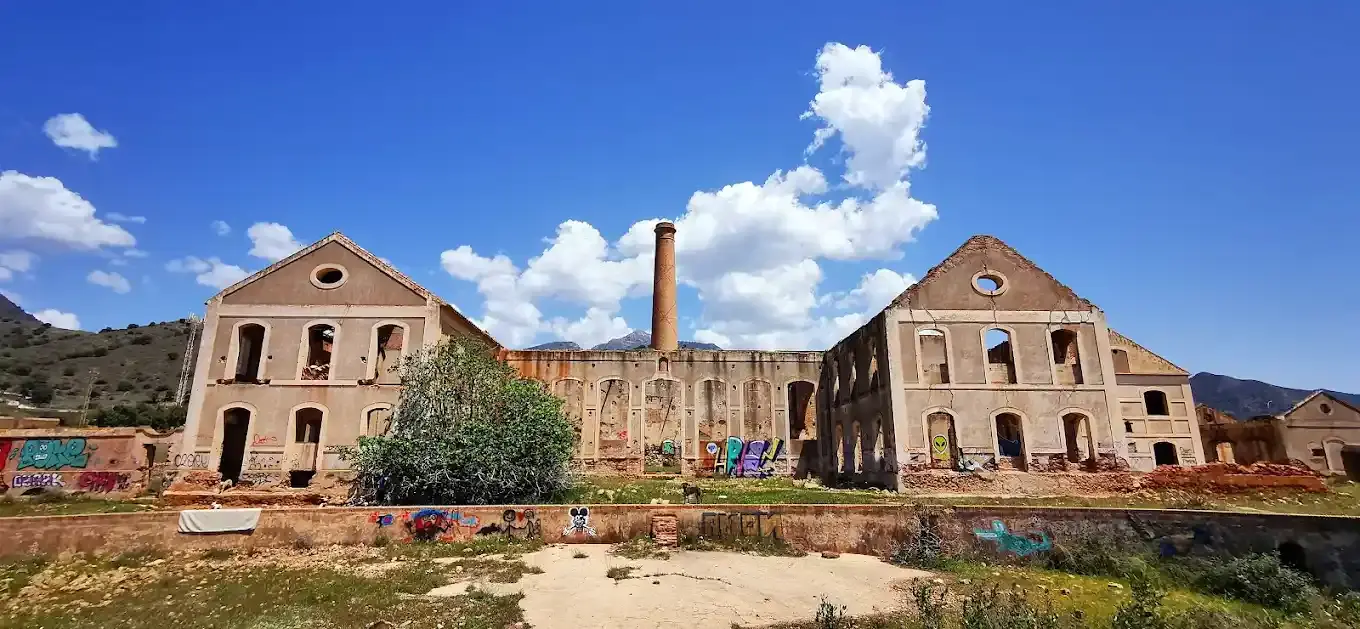
Maro Sugar Factory
Places to Visit